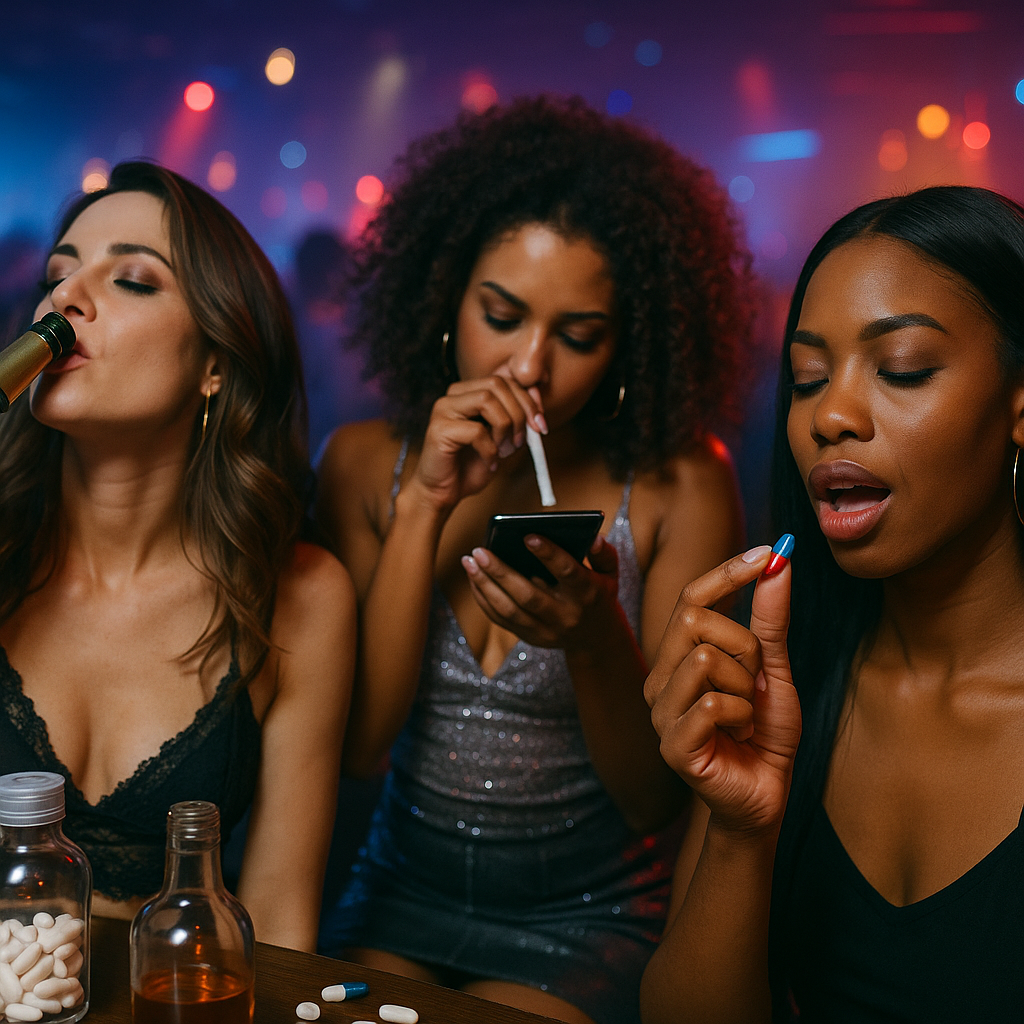
Addiction Triggers Unique to Atlanta’s Nightlife Scene
Atlanta, Georgia — a city known for its soulful music, world-class food, and vibrant nightlife — also hides an undercurrent that’s less glamorous: the mental health and addiction challenges tied to its party culture. From the high-energy clubs of Buckhead to the underground bars in East Atlanta Village, the city’s social scene can easily blur the line between fun and dependency. While nightlife in Atlanta brings people together, it also presents unique triggers that can fuel substance abuse and deteriorate mental well-being.
The Culture of “Always On”
Atlanta’s nightlife thrives on a culture of nonstop energy — bottle service, late nights, and constant social connection. But for many, that energy becomes an emotional trap. The pressure to “keep up” — to drink, to party, to appear confident and carefree — creates an environment where substances become both a tool and a mask.
What starts as a casual drink to ease social anxiety or fit in quickly turns into a coping mechanism. Alcohol, cocaine, and other stimulants often circulate freely in club scenes, especially among those in entertainment and hospitality. People use substances to stay awake, boost confidence, or escape emotional strain — but that temporary high often leaves behind deeper emotional lows.
When your social world revolves around nightlife, the line between recreation and reliance becomes dangerously thin.
Music, Mood, and Mental Health
Atlanta’s nightlife isn’t just about drinks and dancing — it’s also fueled by music. From trap beats to soulful R&B, the city’s soundtracks shape emotions and experiences. But that connection can be a double-edged sword.
This sensory overload — the noise, lights, and crowds — can heighten anxiety or stress, especially for people already struggling with their mental health. In Atlanta’s nightlife, emotional overstimulation can become an invisible trigger that drives people back toward substance use as a way to find relief.
Social Status and Peer Pressure
In a city that thrives on appearance and connection, Atlanta’s social hierarchy is often built around who you know and how you present yourself. Clubs and bars become status arenas — where people compete through designer outfits, expensive drinks, and VIP tables.
This “social flexing” creates constant pressure to spend, drink, and participate. Refusing a drink or leaving early can feel like social suicide in a crowd where indulgence is the norm. Many fall into addiction not because they crave the substance, but because they crave acceptance.
Social media amplifies this. The highlights of the night — the champagne, the crowds, the smiles — are broadcast everywhere. But the crash that follows? It rarely gets posted. The disconnection between how people appear online and how they feel inside deepens emotional distress and shame, fueling both mental health struggles and substance abuse.
The Shadow Side of Hustle Culture
Atlanta’s entrepreneurial hustle is unmatched — it’s a city where everyone is grinding toward something. But that same drive often bleeds into the nightlife scene, where “networking” can become synonymous with partying.
Industry events, music launches, and business meetings often happen after dark. For people working in nightlife, entertainment, or marketing, saying no to the party can feel like saying no to opportunity. Over time, alcohol and drugs can become part of the job description — a tool for confidence, a social lubricant, a way to “stay in the mix.”
The constant pressure to perform — both professionally and socially — can wear down emotional resilience. Anxiety, depression, and burnout become common, and substances turn into a form of self-medication.
Mental Health: The Silent Partner of Addiction
In fact, the aftermath of partying — exhaustion, guilt, and withdrawal — can deepen emotional pain. Without addressing the root mental health issues, the cycle continues: stress leads to substance use, which leads to more stress.
That’s why addressing addiction in Atlanta requires more than detox or abstinence. It requires mental health treatment — therapy, coping strategies, and emotional healing. Recovery isn’t about avoiding the city’s nightlife forever; it’s about learning how to navigate it without losing yourself.
Building Healthier Habits in the City That Never Sleeps
For people in recovery, these outlets are essential. They offer belonging, purpose, and fun — without the triggers. Surrounding yourself with supportive people and engaging in sober activities can make all the difference in staying grounded.
Final Thoughts
Atlanta’s nightlife may be legendary, but so is its heart. The same city that fuels late-night parties also fuels creativity, community, and healing. The key lies in recognizing your triggers and understanding that fun doesn’t have to come at the cost of your mental health.
If you or someone you love is struggling with addiction or the emotional pressures tied to Atlanta’s nightlife, know that help exists — and recovery is possible. Life doesn’t stop when the party ends; sometimes, that’s when it truly begins.