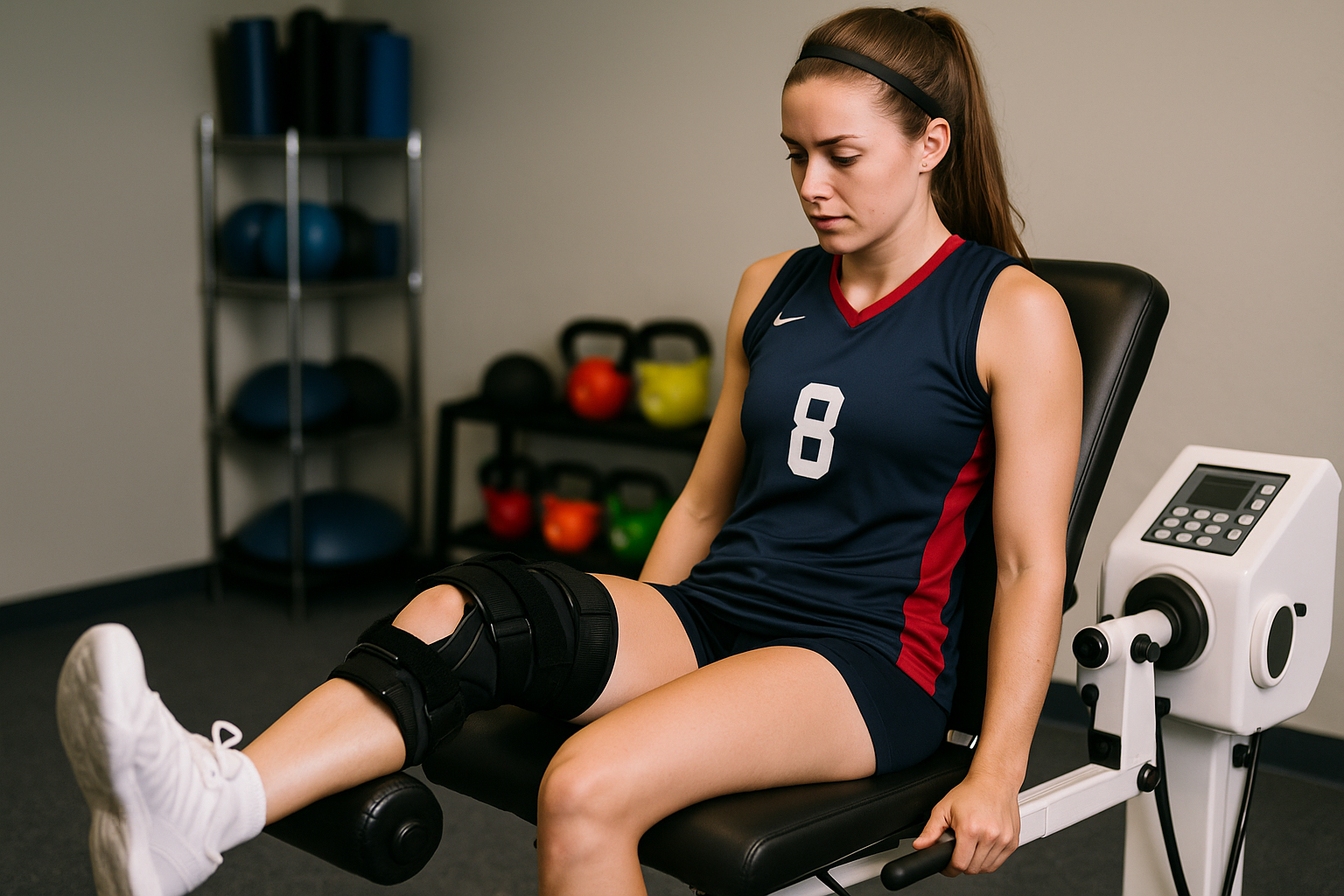
Battling Back: Dealing with Mental Health Issues After a Sports Injury
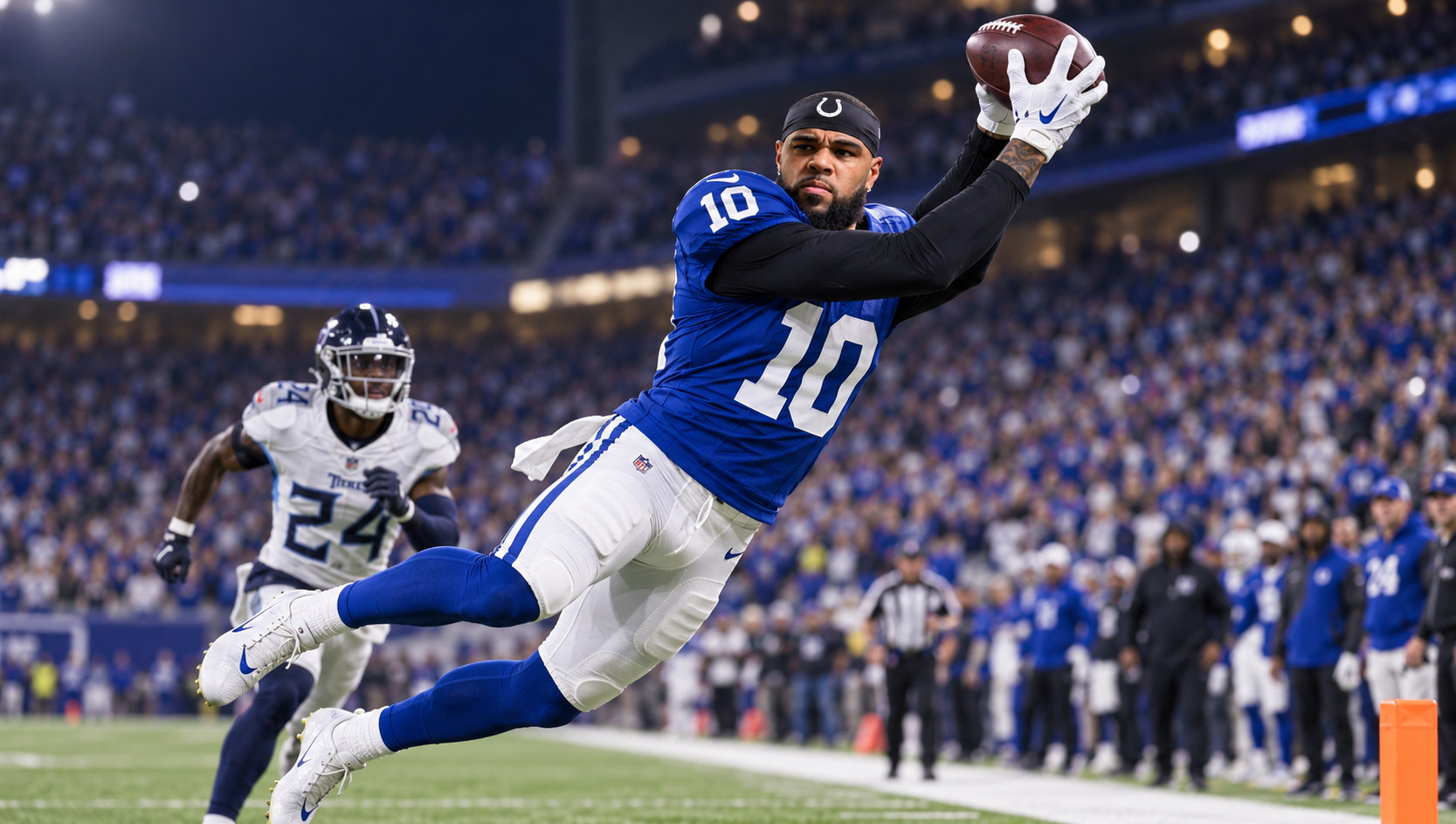
When an athlete goes down with an injury, it’s more than just a physical setback. The pain, the surgery, the recovery — those are visible. What people don’t see is the emotional toll that comes with it: the isolation, the frustration, and the fear of never being the same again. For many, a sports injury can become the first domino in a struggle with mental health and even substance abuse.
The Hidden Battle Behind the Rehab Room
Athletes often define themselves by what they can do — how fast they run, how high they jump, how hard they train. So when an injury takes that away, it can feel like losing part of their identity. Suddenly, the daily routines that once brought purpose are replaced with rest, restrictions, and endless waiting. That loss of control can lead to depression, anxiety, and in some cases, destructive coping mechanisms.
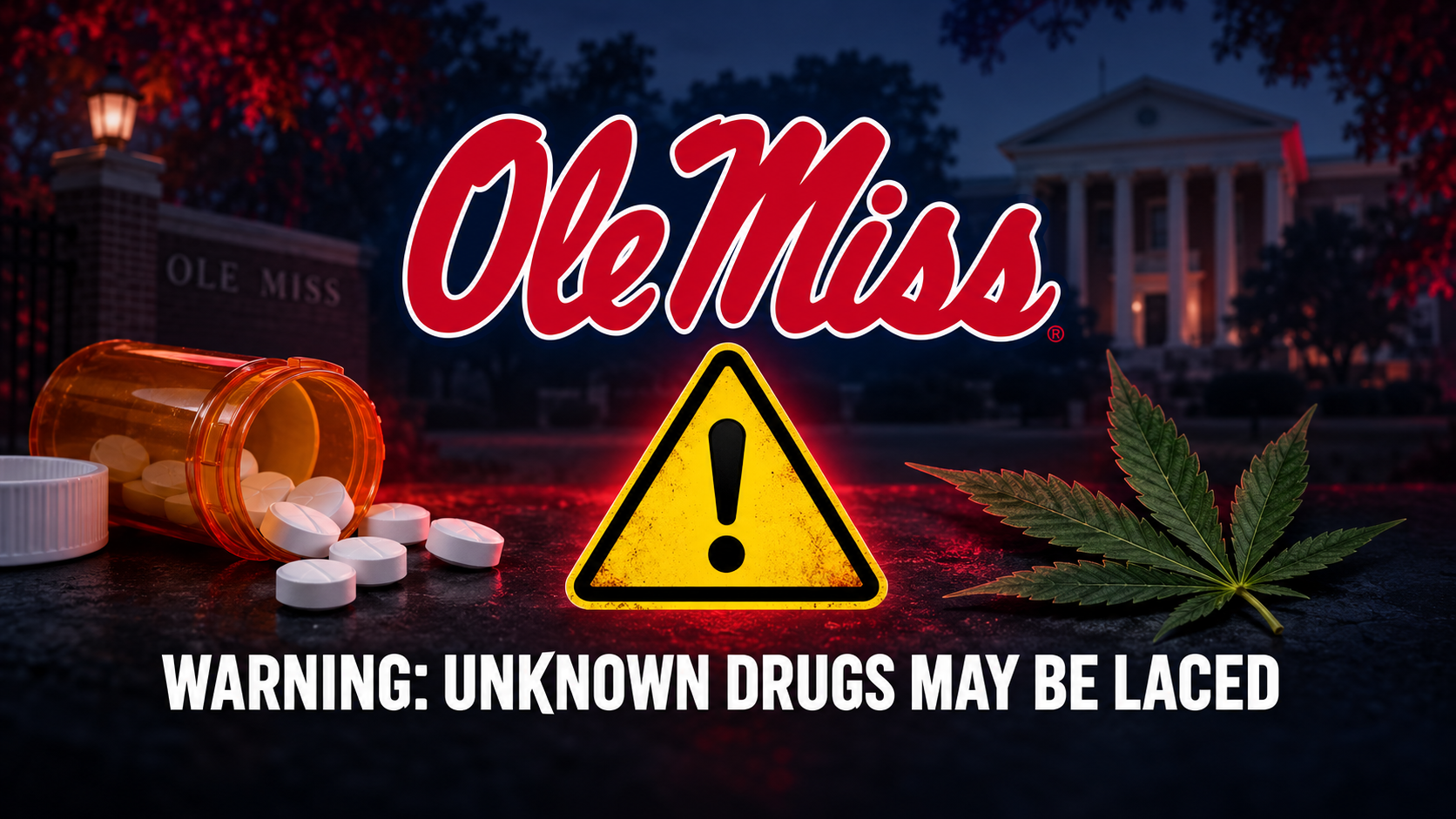
Prescription painkillers, for instance, can blur the line between medical necessity and dependence. What starts as a way to manage pain after surgery can evolve into a dangerous cycle. As the body heals, the mind often doesn’t. Many athletes — from high school hopefuls to professionals — have quietly fought battles with painkillers, opioids, and alcohol, trying to mask both physical and emotional pain.
Mental Health Takes the Field
Sports culture doesn’t always make it easy to open up. “Tough it out,” “get back out there,” and “don’t show weakness” are phrases athletes hear constantly. But this old-school mentality has caused more harm than good. The truth is, toughness isn’t ignoring pain — it’s having the courage to ask for help.
In recent years, major athletes like Kevin Love and Naomi Osaka have spoken openly about their mental health struggles, changing the conversation around vulnerability in sports. Their honesty shows that mental health isn’t a weakness; it’s part of being human.
After an injury, therapy — both physical and mental — is crucial. Cognitive Behavioral Therapy (CBT) can help athletes challenge negative thoughts, rebuild confidence, and find meaning beyond their sport. Talking with mental health professionals gives athletes tools to handle fear, frustration, and self-doubt in healthy ways.
The Link Between Injury and Substance Abuse
Physical pain is temporary, but the mental pain that follows can linger. Studies show that athletes recovering from injury are more likely to misuse substances — not just opioids, but alcohol, marijuana, or stimulants — to escape feelings of emptiness or loss. The isolation during rehab can make things worse. Without teammates or the adrenaline rush of competition, some turn to substances to fill that void.
But there’s hope. Recognizing that connection early can prevent long-term damage. Treatment centers and recovery programs designed for athletes can provide specialized care that addresses both mental health and addiction. These programs focus on rebuilding not just the body, but the mind — helping athletes rediscover purpose, structure, and community.
Rebuilding Physically and Mentally
The road back isn’t easy, but it’s possible. Physical therapy helps repair the body, while mental health therapy heals the mind. The combination of the two can reignite an athlete’s motivation and resilience.
Small steps matter: daily goals, meditation, gratitude journaling, and reconnecting with teammates or support groups. These actions rebuild confidence and remind injured athletes that they are more than their stats. Replacing unhealthy coping mechanisms with positive ones — like exercise, music, or time in nature — creates a foundation for long-term recovery.
For those facing substance abuse after an injury, professional help is vital. Detox and therapy programs can safely manage withdrawal and teach coping skills that make relapse less likely. The key is learning that healing isn’t just about getting back on the field — it’s about creating balance off it.
A New Kind of Comeback Story
The comeback after injury isn’t just about physical strength — it’s about mental growth. Many athletes who have faced the darkest moments of recovery emerge with a deeper sense of gratitude, humility, and purpose. They discover that their worth isn’t tied to wins, stats, or trophies, but to their ability to adapt, heal, and inspire others.
Talking openly about mental health and substance use helps break the stigma that has silenced too many athletes for too long. By sharing their struggles, they give permission for others to do the same — creating a stronger, more compassionate sports culture.
Final Thoughts: Healing Beyond the Game
Sports injuries can change a life — but they don’t have to define it. The key to real recovery is treating both the body and the mind. Physical rehab gets you moving again, but emotional healing keeps you grounded.
If you or someone you know is struggling with mental health or substance abuse after an injury, reaching out for help isn’t weakness — it’s strength. Whether it’s therapy, support groups, or professional treatment, there’s always a way forward.
In the end, the greatest victories aren’t just won on the field — they’re the quiet ones fought in the rehab room, the therapy session, and the decision to keep going one day at a time.
Life is short. Sobriety is strength. Healing — both physical and mental — is the real comeback.