Understanding Impulse Control Disorders and Gambling: The Hidden Struggles and Importance of Mental Health
Impulse control disorders are a group of mental health conditions where individuals struggle to resist urges or impulses that can be harmful to themselves or others. One of the most common and destructive forms of these disorders is gambling addiction. While many people think of gambling as a harmless pastime, for those with impulse control issues, it can quickly become a serious problem with devastating consequences.
What Are Impulse Control Disorders?
Impulse control disorders involve a failure to resist a temptation, urge, or impulse that may harm oneself or others. People with these disorders often feel an overwhelming desire to engage in specific behaviors, even when they know the consequences might be negative. Examples include kleptomania (stealing), pyromania (setting fires), compulsive shopping, and, importantly, gambling disorder.
These disorders are often misunderstood because they are not simply about bad decisions or lack of willpower. Instead, they are deeply rooted in brain chemistry and mental health. When the brain’s reward system is triggered by certain behaviors, such as the thrill of placing a bet, it releases dopamine—a chemical that makes people feel good. For someone with impulse control issues, this feeling can be so strong that it overrides logical thinking, leading to repeated, harmful behavior despite knowing the risks.
Gambling and Its Grip on the Mind
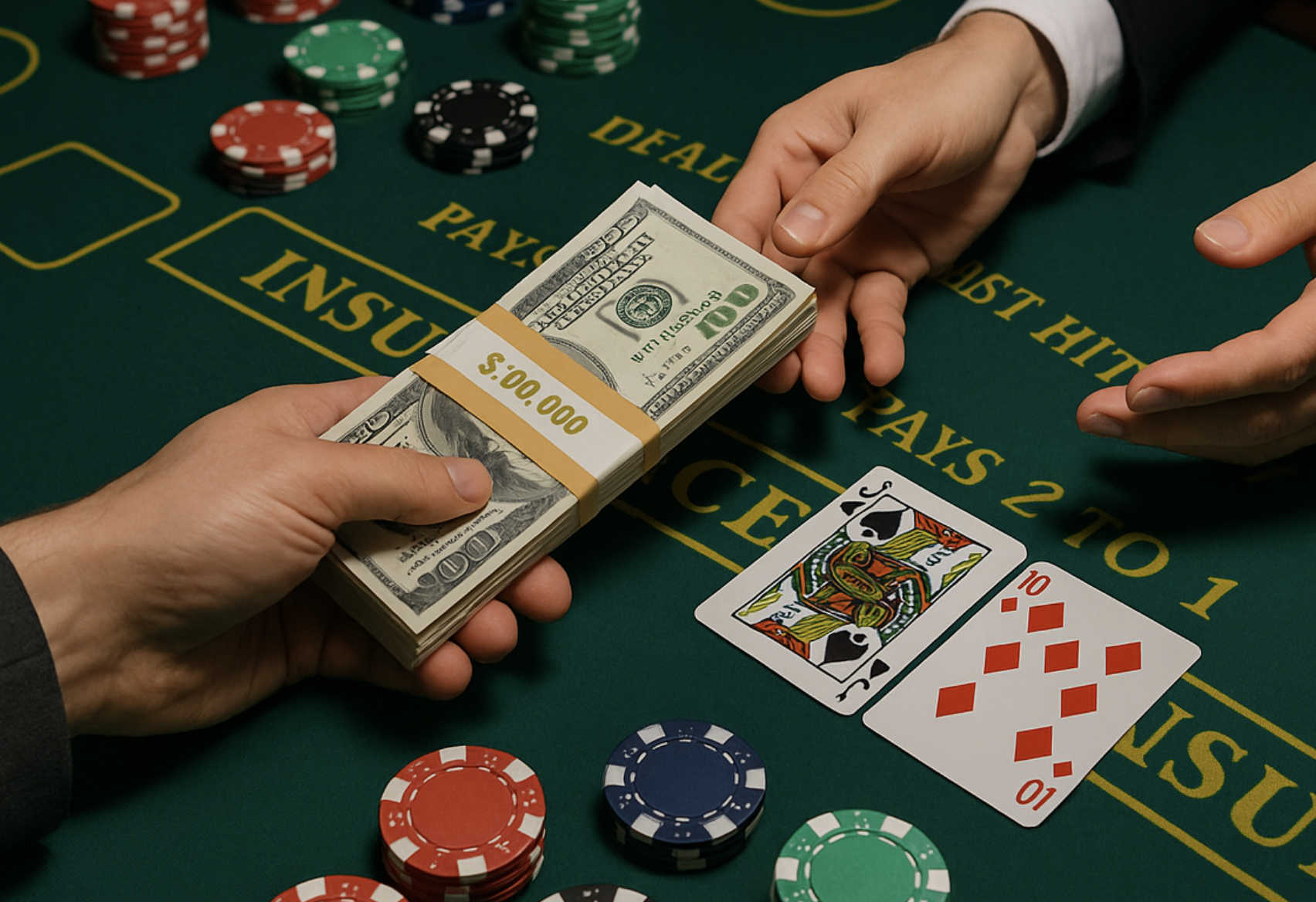
Gambling disorder, also called compulsive gambling or gambling addiction, is a recognized mental health condition. It is characterized by a persistent and recurrent problematic gambling behavior that disrupts personal, family, or work life. The thrill of winning money or the hope of a big jackpot can create a rush that becomes addictive.
People struggling with gambling addiction often chase losses, betting more and more to recover money they have lost. This cycle can lead to financial ruin, strained relationships, legal problems, and severe emotional distress. Many gamblers feel trapped in a downward spiral they can’t control, facing feelings of guilt, shame, and helplessness.
The Hidden Struggles Behind the Addiction
Impulse control disorders like gambling addiction often coexist with other mental health issues such as anxiety, depression, or substance abuse. Many individuals use gambling as a way to escape from painful emotions or stressful life situations. This “self-medication” can worsen both the addiction and the underlying mental health problems.
One of the hardest parts of dealing with gambling addiction is recognizing the problem. Because gambling can be socially accepted or even encouraged in some circles, it may take years before someone admits they need help. The stigma surrounding mental health and addiction also discourages many from seeking treatment, leading to isolation and worsening symptoms.
Why Mental Health Matters
Understanding impulse control disorders means recognizing the critical role mental health plays in both causing and treating these problems. Gambling addiction is not a moral failing—it is a serious mental health issue that requires professional intervention and ongoing support.
Good mental health care can help individuals learn healthier coping mechanisms, improve impulse control, and rebuild their lives. Cognitive-behavioral therapy (CBT) is one effective treatment that helps people identify and change the thought patterns that fuel addictive behaviors. Support groups, medication, and counseling can also play important roles in recovery.
Moreover, early intervention and education about impulse control and gambling risks can prevent many people from falling into addiction. Family and community support is essential to breaking the cycle of stigma and encouraging those affected to seek help.
Steps Toward Recovery
Recovery from gambling addiction is a journey that involves more than just stopping the behavior. It means addressing the mental health issues underneath, repairing relationships, managing financial consequences, and developing new life skills. It is important for loved ones to be patient and understanding, as recovery often involves setbacks and ongoing challenges.
Professional treatment centers offer comprehensive programs tailored to individual needs. These programs include therapy, support groups, education, and sometimes medication management. The goal is to empower individuals to regain control over their impulses and live fulfilling, balanced lives.
Final Thoughts
Impulse control disorders like gambling addiction highlight how intertwined mental health and behavior truly are. Recognizing gambling as a serious mental health disorder can reduce stigma, increase awareness, and encourage more people to seek the help they need.
If you or someone you love is struggling with gambling or any impulse control disorder, know that recovery is possible. Mental health matters, and professional support can make all the difference in overcoming addiction and reclaiming a healthier, happier life.
If you or a loved one are struggling with addiction or mental health issues, please give us a call today at 855-952-3546