The opioid crisis has devastated communities across the United States, but Southern states have been hit particularly hard. From rural towns to major cities, addiction has left a trail of broken families, strained healthcare systems, and lives cut short. While statistics often tell the story in numbers, the true impact lies in the people—the mothers, fathers, children, and neighbors struggling with both substance abuse and mental health challenges. Understanding why the South has been so vulnerable to the opioid epidemic, and how communities are responding, is key to finding solutions that bring hope and healing.
One major reason the crisis has struck the South so severely is access to healthcare. Many Southern states rank low in terms of healthcare availability, leaving people with fewer options for pain management or mental health support. When prescription opioids like OxyContin and hydrocodone were pushed heavily in the 1990s and 2000s, countless patients in these states became dependent. Without strong oversight or alternative treatments, what began as pain management often spiraled into addiction. Once prescriptions ran out or became too expensive, many turned to cheaper and deadlier options like heroin or fentanyl.
The impact on mental health cannot be ignored. Addiction doesn’t exist in isolation; it is often fueled by depression, anxiety, trauma, or economic hardship. Southern states have some of the highest poverty rates in the country, and poverty creates an environment where stress and despair thrive. Someone working multiple low-wage jobs, struggling to provide for their family, and living in a rural community with little access to therapy is more vulnerable to turning to opioids as a form of escape. What begins as temporary relief quickly turns into a vicious cycle that worsens mental health and deepens dependence.
The crisis has also reshaped families. In many communities, grandparents are raising grandchildren after losing their own children to overdoses. Children are growing up in foster care after parents become unable to care for them. These generational consequences ripple far beyond one person’s struggle, creating long-term trauma for families and entire neighborhoods. Studies show that children who grow up in households affected by addiction are more likely to struggle with their own mental health, substance abuse, or cycles of poverty. The crisis, therefore, is not just about individuals—it is about the future of communities.
Rural areas in the South face unique challenges. In small towns where everyone knows each other, stigma around addiction can prevent people from seeking help. Admitting to having a problem may be seen as a moral failing rather than a medical condition. This stigma keeps many in silence, allowing addiction to worsen. At the same time, treatment options are often scarce. Driving hours to reach a detox facility or mental health provider is not realistic for many people, especially those without reliable transportation or health insurance.
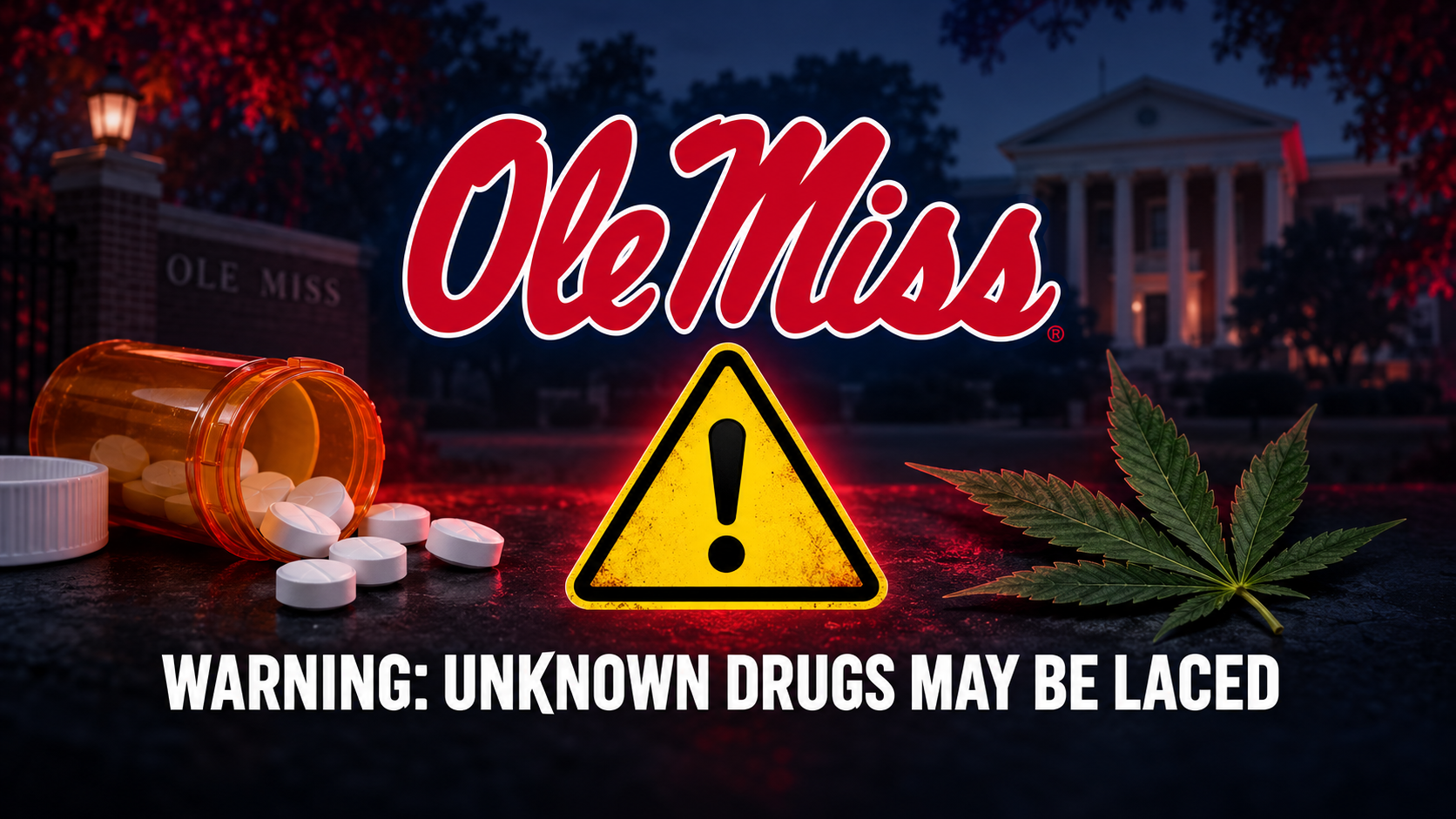
The rise of fentanyl has made the situation even more deadly. This synthetic opioid is far stronger than heroin and often laced into other drugs without the user knowing. Southern states have seen sharp increases in fentanyl-related overdoses, with local law enforcement and emergency responders overwhelmed by the surge. For many families, the heartbreak of addiction now comes with the constant fear that a loved one’s next use could be their last.
But amid the devastation, there are efforts to turn the tide. Communities across the South are beginning to embrace harm-reduction strategies, such as distributing Narcan (naloxone) to reverse overdoses and installing vending machines stocked with it in public areas. These measures save lives, giving people a second chance to seek treatment. Some states are expanding access to medication-assisted treatment (MAT) programs, which combine medications like methadone or buprenorphine with counseling. Though these programs are sometimes met with skepticism, research shows they are effective in reducing overdose deaths and supporting long-term recovery.
Faith-based organizations have also stepped into the fight. In the South, where churches often serve as the backbone of community life, many congregations have started offering support groups, addiction recovery ministries, and mental health resources. These efforts help reduce stigma by reframing addiction as a health issue rather than a moral weakness. For people who feel isolated, having a supportive community can make all the difference in taking the first steps toward sobriety.
Mental health services remain a critical piece of the puzzle. The opioid crisis is not just about substances; it is about the pain underneath them. Whether it’s untreated depression, post-traumatic stress, or overwhelming anxiety, mental health struggles are often the root cause of addiction. Expanding counseling services, telehealth options, and school-based mental health programs can help address these issues before they spiral into substance abuse. Prevention is just as important as treatment, and catching these struggles early could save countless lives.
The opioid crisis in Southern U.S. states is far from over, but acknowledging its scope and complexity is the first step toward progress. It is a crisis fueled by poverty, trauma, stigma, and lack of healthcare access, but it is also a crisis met with resilience. Families, healthcare workers, faith leaders, and advocates are all fighting back—one life, one recovery story at a time.
Ultimately, tackling this epidemic requires compassion. Addiction is not a sign of weakness but a medical and mental health condition that deserves treatment and understanding. The South may face unique challenges, but it also has unique strengths: strong communities, deep traditions of resilience, and people determined to help one another. With expanded access to treatment, open conversations about mental health, and continued efforts to break stigma, there is hope that the region can begin to heal.
If you or a loved one are struggling with addiction or mental health issues, please give us a call today at 855-952-3546