The Connection Between Alcohol and Liver Disease
Alcohol is a common part of many social and cultural activities. For some, it’s a way to unwind or celebrate. But when drinking becomes frequent or excessive, it can have serious consequences — especially for the liver, one of the body’s most vital organs. Understanding the connection between alcohol and liver disease is important, not only for physical health but also for mental well-being.
How Alcohol Affects the Liver
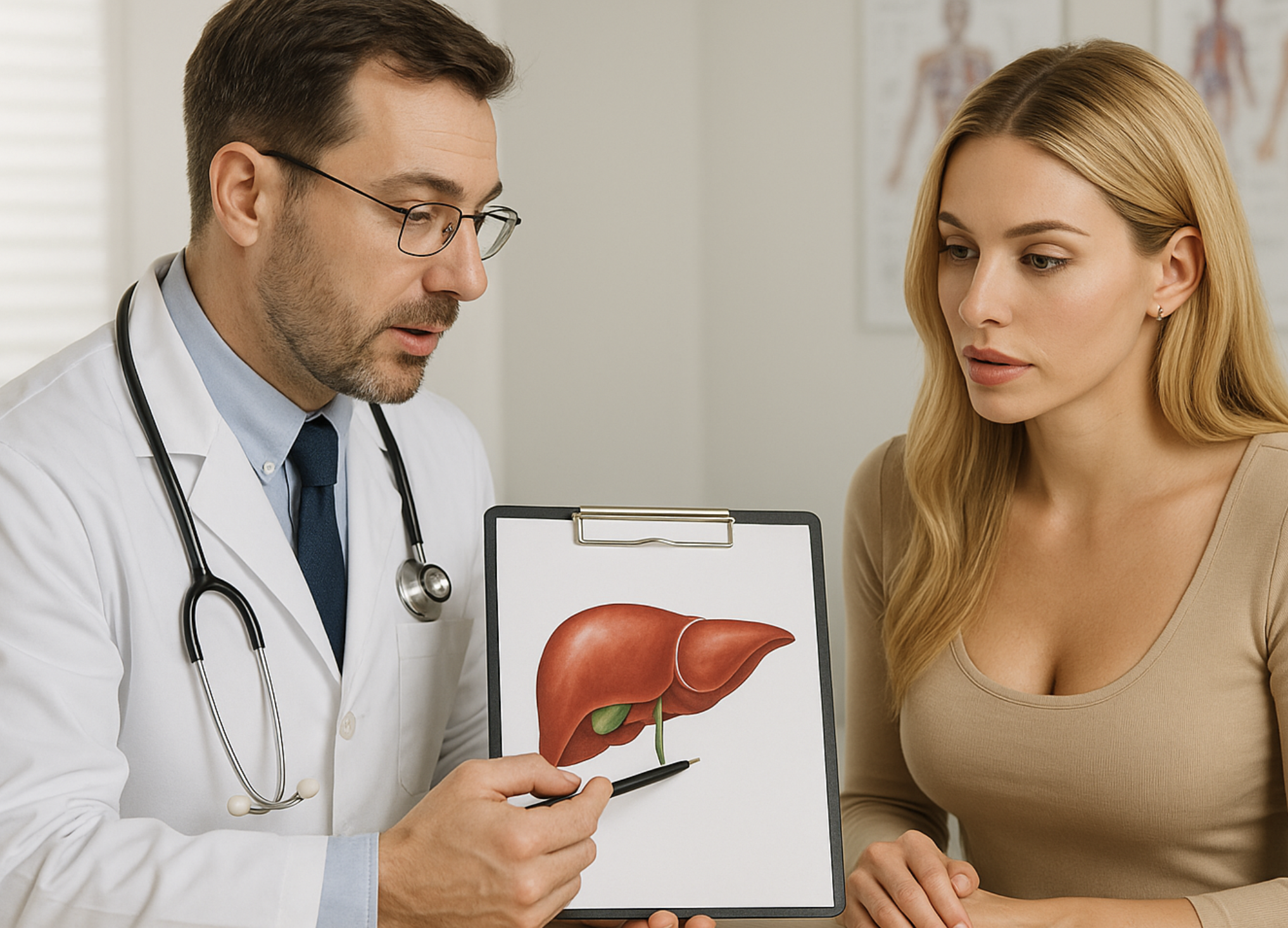
The liver plays a crucial role in filtering toxins from the blood, producing bile to aid digestion, and storing energy. When you drink alcohol, your liver breaks it down, but this process can be tough on the liver cells. Excessive alcohol consumption over time damages liver cells, causing inflammation and scarring.
There are several stages of alcohol-related liver disease:
- Fatty Liver: The earliest stage where fat builds up inside liver cells. This condition is often reversible with abstinence from alcohol.
- Alcoholic Hepatitis: Continued drinking causes liver inflammation, which can range from mild to severe.
- Cirrhosis: This is advanced scarring of the liver, which can cause liver failure and be life-threatening.
The risk of developing these conditions depends on how much and how often a person drinks, genetics, diet, and other health factors. However, even moderate drinking over a long period can cause damage in some people.
Addiction and the Challenge of Stopping
Alcohol addiction, or alcohol use disorder (AUD), is a chronic disease that affects millions worldwide. It makes stopping or cutting back drinking extremely difficult even when the person knows the risks, including liver damage.
Addiction changes the brain’s chemistry and creates physical dependence. This means when someone tries to stop drinking, they may experience withdrawal symptoms such as anxiety, tremors, nausea, and intense cravings. These symptoms can be frightening and overwhelming, pushing the person back to drinking just to feel normal.
Because of these challenges, many people with alcohol addiction need professional help to quit safely and effectively. Detox programs, counseling, and support groups are essential tools in recovery.
The Mental Health Link
Mental health and alcohol addiction are deeply connected. Many people use alcohol as a way to cope with stress, anxiety, depression, or trauma. While alcohol might temporarily dull emotional pain, it actually worsens mental health over time. Drinking heavily can cause or deepen feelings of sadness, hopelessness, and isolation.
At the same time, liver disease itself can affect mental health. As liver function declines, toxins can build up in the bloodstream and affect brain function, leading to confusion, mood swings, and cognitive problems. This condition is called hepatic encephalopathy.
The cycle of addiction, liver disease, and poor mental health creates a complex challenge that requires comprehensive care. Treating the physical symptoms without addressing mental health and addiction often leads to relapse and worsening health.
Prevention and Treatment
The good news is that many forms of alcohol-related liver disease are preventable and, in early stages, reversible. Here are some key steps:
- Limit Alcohol Intake: Following recommended guidelines for alcohol consumption or abstaining completely can protect your liver.
- Get Regular Health Check-ups: Blood tests and liver scans can catch problems early.
- Seek Help for Addiction: Professional treatment for AUD is vital. This might include detox, therapy, medications, and support groups.
- Prioritize Mental Health: Counseling, stress management, and sometimes medication can improve mental well-being and reduce the urge to drink.
- Healthy Lifestyle: Eating nutritious foods, exercising, and avoiding other liver toxins help the liver heal.
When to Get Help
If you or a loved one struggles with drinking and notices symptoms like jaundice (yellowing skin or eyes), abdominal pain, fatigue, or mood changes, it’s time to see a healthcare provider. Early intervention can save lives.
Alcohol addiction and liver disease don’t just affect the body—they affect the mind, relationships, and quality of life. Understanding this connection encourages a more compassionate and effective approach to treatment and recovery.
Remember, you don’t have to face this alone. Reaching out for help is the first step toward healing both your liver and your mental health. Your future self will thank you
If you or a loved one are struggling with addiction or mental health issues, please give us a call today at 855-952-3546