The Hidden Dangers of Man-Made Painkillers and Why Treatment Matters
In recent years, synthetic opioids have become one of the leading causes of overdose deaths across the world—especially in the United States. These powerful, man-made drugs are designed to mimic the effects of natural opioids like morphine and heroin but often pack a far more potent punch. The result? A growing crisis that not only impacts physical health but mental health as well. Understanding synthetic opioids—and the mental and emotional toll they bring—is crucial for individuals, families, and communities trying to stay safe and support those in recovery.
What Are Synthetic Opioids?
Synthetic opioids are lab-created substances designed to relieve pain. While some—like fentanyl, methadone, and tramadol—are legally prescribed for chronic pain management or to help with withdrawal from other opioids, they can also be misused or illegally manufactured. In fact, illegal fentanyl is one of the deadliest substances on the street today, often mixed with other drugs without the user’s knowledge.
The danger lies in their potency. Fentanyl, for example, is up to 100 times more powerful than morphine. A dose as small as a few grains of salt can be fatal. When combined with depression, anxiety, or other mental health issues, synthetic opioids can become a ticking time bomb.
The Link Between Mental Health and Opioid Use
Addiction rarely exists in a vacuum. Many people who misuse opioids are battling internal struggles—depression, anxiety, trauma, or unresolved emotional pain. They often turn to drugs not just for physical relief but to numb emotional distress. Unfortunately, opioids only provide temporary relief. Once the effects wear off, the depression and anxiety often return stronger than before, pulling the user deeper into a cycle of dependency.
This connection between mental health and addiction is called a “dual diagnosis.” A person struggling with both substance use disorder and mental illness needs comprehensive care that addresses both issues at the same time. Ignoring one while treating the other rarely leads to lasting recovery.
The Risk of Overdose
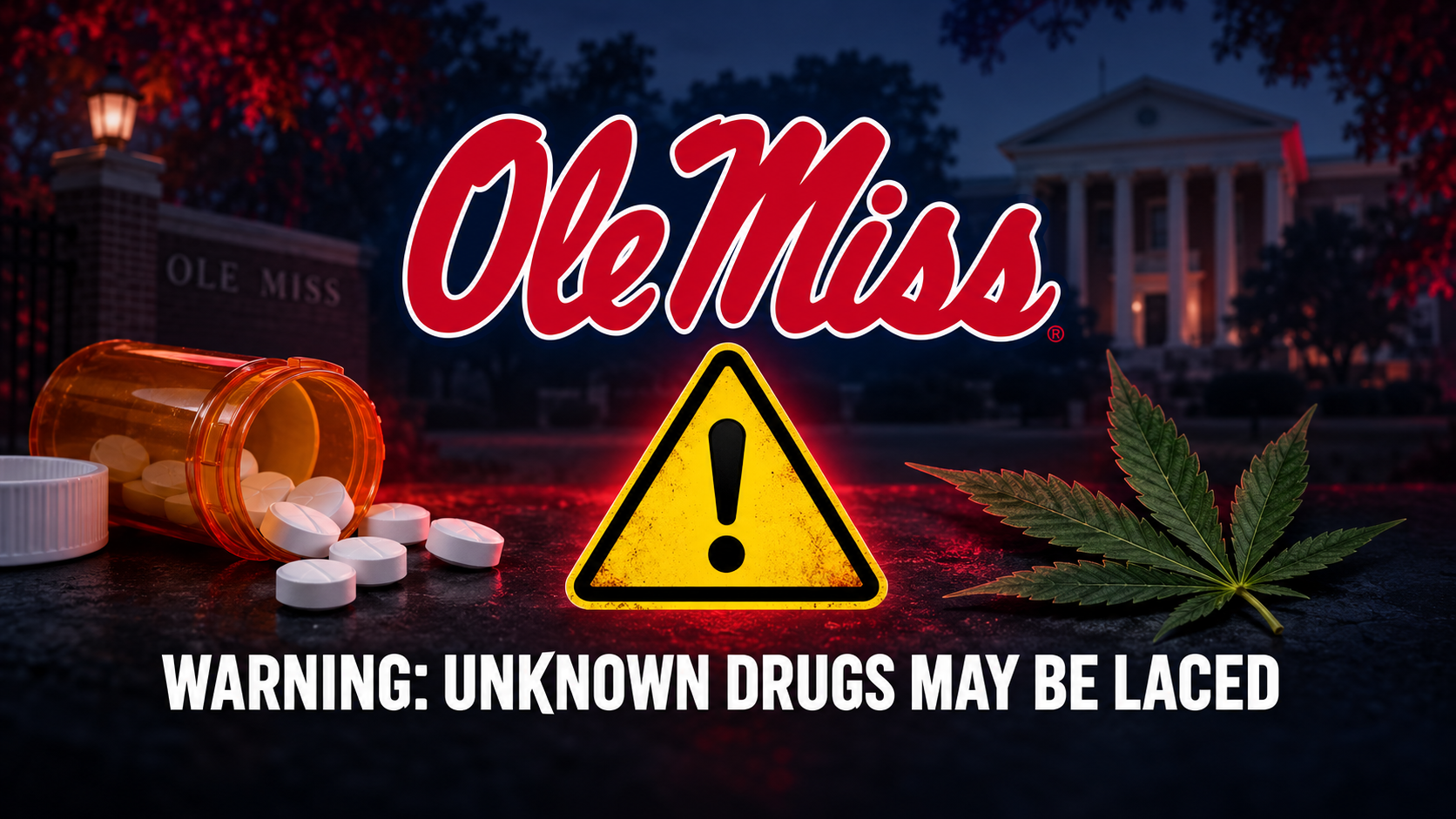
With synthetic opioids, the risk of overdose is dangerously high. Because of their strength, even experienced users can misjudge how much they’re taking. In street drugs, synthetic opioids are often mixed with heroin, cocaine, or pills disguised as legitimate medications. People may think they’re taking Xanax or Percocet, only to unknowingly ingest a fatal dose of fentanyl.
When an overdose happens, it can suppress breathing, slow the heart, and lead to death within minutes. That’s why carrying naloxone (Narcan), a life-saving medication that reverses opioid overdoses, is so important for those in at-risk communities.
Signs of Synthetic Opioid Addiction
Recognizing the signs of addiction early can save lives. Some common symptoms include:
- Extreme drowsiness or “nodding off”
- Sudden mood swings or irritability
- Social withdrawal or loss of interest in hobbies
- Doctor shopping or frequent ER visits
- Lying or stealing to get more drugs
- Poor hygiene or weight loss
On the mental health side, you may notice signs of depression—hopelessness, lack of motivation, or thoughts of self-harm. These emotional symptoms are just as dangerous as the physical ones and deserve immediate attention.
The Road to Recovery: Therapy and Support
The good news is that recovery is possible. With the right support, people can break free from the grip of synthetic opioids and rebuild a life rooted in health and purpose. Treatment often starts with medical detox, especially for those dependent on substances like fentanyl. This stage helps the body clear the drug safely under supervision.
From there, therapy becomes a cornerstone of healing. Cognitive Behavioral Therapy (CBT), group counseling, and trauma-informed care can help individuals work through the emotional pain that fueled the addiction. Dual diagnosis programs are especially effective because they treat both addiction and mental health at the same time.
Support groups and sober living environments offer community and accountability. For many, finding purpose and connection again is one of the most powerful motivators to stay sober.
Prevention and Education Are Key
Preventing synthetic opioid addiction starts with education. Parents, teachers, and community leaders need to talk openly about the dangers of these drugs and the importance of mental health. Reducing the stigma around addiction and depression can help more people feel safe enough to seek help.
It’s also vital to advocate for access to affordable treatment and mental health services. No one should have to choose between getting help and paying the bills.
Final Thoughts
Synthetic opioids are a deadly threat, but they don’t have to be a life sentence. Behind every addiction is a human being with pain, stories, and hope. By understanding the risks, recognizing the warning signs, and supporting treatment and therapy, we can turn the tide of this crisis.
Addiction is not a moral failing. It’s a medical and mental health issue that deserves compassion, care, and commitment. Recovery is possible. Healing is real. And life—on the other side of addiction—is worth fighting for.
If you or a loved one are struggling with addiction or mental health issues, please give us a call today at 855-952-3546