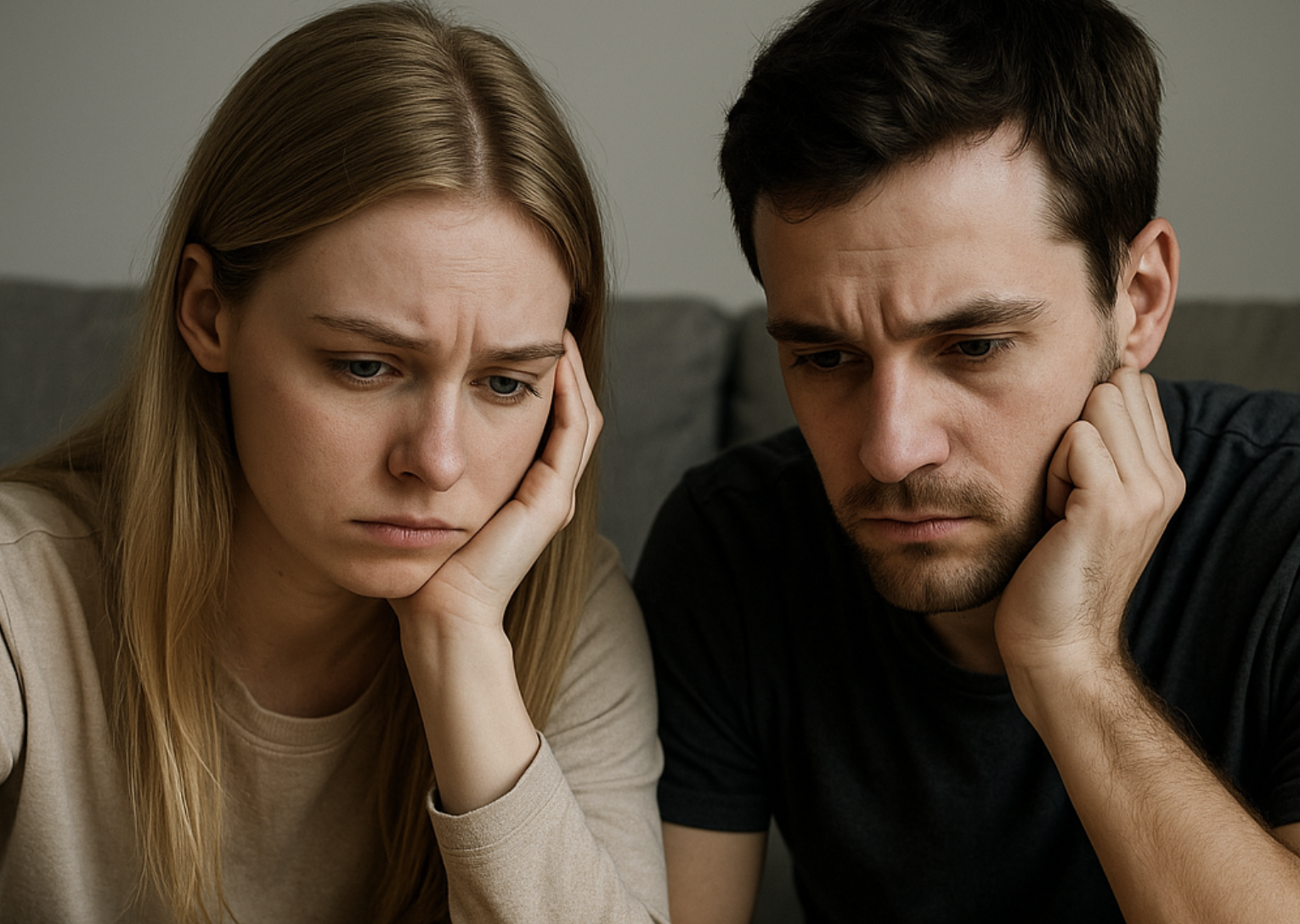
Kratom has become increasingly popular in recent years as a natural alternative for pain relief, mood enhancement, and even as a tool for overcoming opioid addiction. But what many users don’t realize until it’s too late is that kratom itself can be addictive. While it’s often marketed as a “safe” herb or supplement, the reality is that regular use can lead to physical dependence—and with that comes withdrawal.
If you or someone you know is experiencing kratom withdrawal, it’s important to understand the symptoms, the mental health toll it can take, and how to get help.
What Is Kratom?
Kratom is a tropical tree native to Southeast Asia, and its leaves contain compounds that interact with the brain’s opioid receptors. At low doses, kratom can act like a stimulant, boosting energy and alertness. At higher doses, it mimics the effects of opioids, offering pain relief and sedation.
Because of these effects, many people turn to kratom for chronic pain, anxiety, depression, or as a “natural high.” Some use it to taper off stronger opioids. However, kratom can be habit-forming in its own right, and once someone becomes dependent, stopping use can lead to a difficult withdrawal process.
Common Symptoms of Kratom Withdrawal
Kratom withdrawal is very real, and while it may not be as widely discussed as opioid or alcohol withdrawal, it can be just as distressing—both physically and mentally. Symptoms typically begin within 12 to 24 hours after the last dose and can last several days to a week. In some cases, psychological symptoms may linger for much longer.
Physical Symptoms:
- Muscle aches and pains
- Sweating and chills
- Runny nose and watery eyes
- Tremors or shakiness
- Nausea and vomiting
- Fatigue or exhaustion
- Insomnia or restless sleep
- Diarrhea
- Rapid heartbeat or elevated blood pressure
These symptoms mirror opioid withdrawal because of the way kratom interacts with the same receptors. While not usually life-threatening, the physical symptoms can be extremely uncomfortable and may disrupt daily functioning.
Mental and Emotional Symptoms:
This is where kratom withdrawal really hits hard—and why mental health must be a central focus in the recovery process.
- Depression: As the brain struggles to rebalance its neurotransmitters, feelings of sadness, hopelessness, and despair are common.
- Anxiety and Panic Attacks: Withdrawal often brings intense anxiety, restlessness, and in some cases, debilitating panic.
- Irritability and Anger: Emotional regulation becomes difficult, and mood swings are frequent.
- Cravings: The urge to use kratom again—just to make the symptoms stop—can be overwhelming.
- Lack of Motivation: People in withdrawal often describe feeling “flat,” unable to enjoy anything or find purpose in daily life.
Why Mental Health Matters More Than Ever
The physical symptoms of kratom withdrawal might last a few days, but the mental and emotional aftermath can stretch out for weeks or even months. That’s why focusing on mental health isn’t just a side note—it’s the main event.
Depression and anxiety that emerge during withdrawal can be intense enough to lead to relapse or worse. Many users began taking kratom to self-medicate mental health issues in the first place, and when withdrawal hits, those underlying problems often come rushing back—stronger than ever.
This is the point where support becomes essential. Trying to push through kratom withdrawal alone can be dangerous, not because the withdrawal itself is fatal, but because the mental health consequences can lead to despair, isolation, or self-harm.
Getting Help: You’re Not Alone
If you’re experiencing kratom withdrawal, there are ways to make it through—and come out stronger.
- Detox Programs: A medically supervised detox can help manage symptoms and provide comfort during the worst parts of withdrawal.
- Therapy: Working with a mental health professional can help address the underlying reasons for kratom use, while also offering tools to manage anxiety, depression, and stress.
- Support Groups: Connecting with others who are going through the same thing can make a huge difference. You’re not the only one dealing with this, even if it feels that way.
- Holistic Recovery Plans: Programs that incorporate exercise, nutrition, mindfulness, and community support can help rebalance both body and mind.
Moving Forward Without Kratom
It may feel impossible in the middle of withdrawal, but life can get better without kratom. The first step is acknowledging that there’s a problem. The second is asking for help.
Sobriety is not just about getting clean—it’s about building a healthier, more stable life, one where your mental health is strong enough to face challenges without relying on substances. Healing doesn’t happen overnight, but every step forward is proof that recovery is possible.
Final Thoughts
Kratom withdrawal is real, and it can be brutal—but it’s not the end of the story. With the right help and a focus on mental health, you can get through it. Whether you’re dealing with the physical aches, the emotional lows, or both, remember: you’re not alone. There are people who care and who want to see you thrive.
Addiction is a heavy burden, but recovery lightens the load one day at a time.
Because life is short, and sobriety is worth it. If you or a loved one are struggling with addiction or mental health issues, please give us a call today at 855-952-3546