The Overlooked Side of Weight Loss: Mental Health Challenges Linked to GLP-1 Drugs
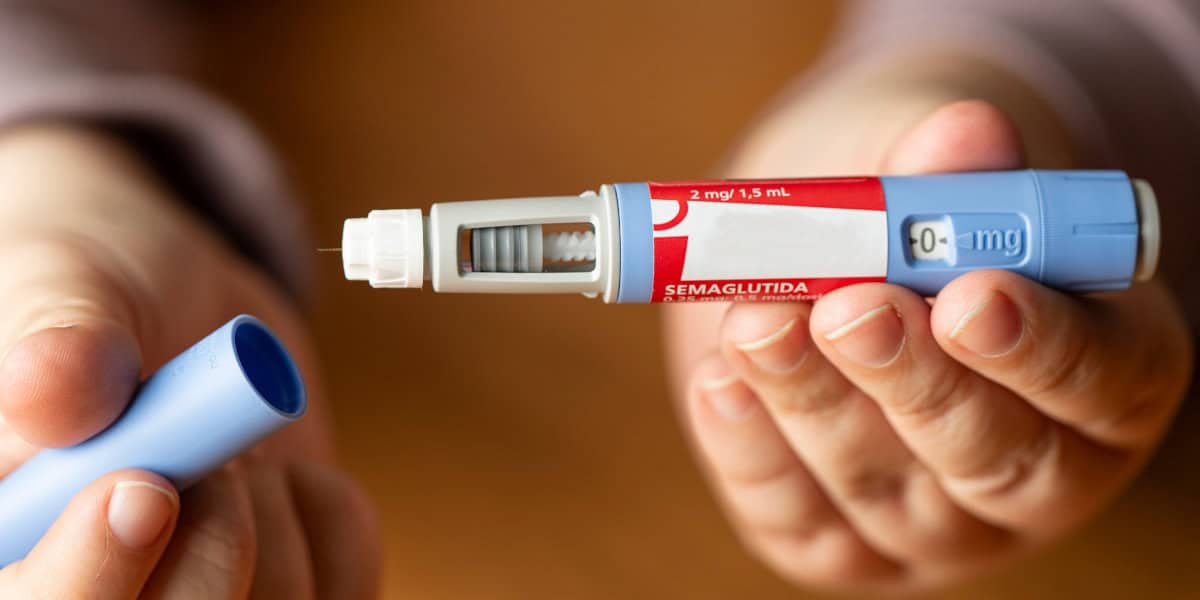
Over the past few years, GLP-1 receptor agonists like Ozempic, Wegovy, and Mounjaro have gained immense popularity for their effectiveness in weight loss. Originally designed for managing type 2 diabetes, these medications are now being widely used for obesity treatment and cosmetic weight loss. And while the physical transformations are often dramatic, a quieter, more complicated side effect is emerging—a rise in anxiety, depression, and emotional instabilityamong users.
GLP-1 Drugs: How They Work
GLP-1 drugs mimic a hormone in the body that helps regulate appetite, insulin levels, and blood sugar. They slow gastric emptying and reduce hunger, often leading to rapid weight loss. For many, these medications are life-changing. But as more people use them, reports of mental health struggles are becoming harder to ignore.
What the Research (and Users) Are Saying
Recent studies and user testimonials have started to highlight the emotional and psychological side effects of GLP-1 medications. Some of the most commonly reported mental health symptoms include:
-
Increased anxiety and panic attacks
-
Depression or worsening depressive episodes
-
Emotional blunting or feeling “numb”
-
Intrusive thoughts or low mood
-
Disrupted sleep and mood swings
While not every user will experience these side effects, the pattern is consistent enough that it’s drawing attention from healthcare providers, researchers, and mental health professionals alike.
Why Is This Happening?
There’s no single reason, but several potential explanations:
-
Biological Impact: GLP-1 drugs influence hormones and neurotransmitters in the gut and brain. This gut-brain connection may affect mood regulation and emotional response.
-
Nutritional Deficiency: Rapid weight loss and appetite suppression can lead to poor nutrition, which is directly linked to mental health stability.
-
Identity and Body Image Conflicts: For those who have struggled with weight for years, fast body changes can lead to identity confusion, increased social pressure, or unresolved emotional trauma.
-
Isolation and Restriction: The appetite-suppressing effects of these drugs can lead to reduced interest in food-related social activities, which may increase feelings of loneliness or disconnection.
When Physical Progress Comes at a Mental Cost
Weight loss is often seen as the end goal—but mental wellness must remain part of the equation. For those who start to experience emotional instability, it can feel disorienting. “I lost the weight, but I feel worse than before” is something we’re hearing more and more.
This is where a holistic approach to care becomes critical.
How Diamond Recovery Can Help
At the Georgia Addiction Treatment Center, we recognize that wellness is more than just a number on a scale. If you or someone you love is experiencing mental health challenges related to GLP-1 medications like Ozempic or Wegovy, you are not alone—and help is available.
Our team provides a safe, supportive environment where you can explore and address:
-
Emotional side effects tied to medication use
-
Underlying trauma, anxiety, or depression
-
Disordered eating behaviors triggered by restrictive weight loss
-
Identity and self-esteem challenges during body transitions
-
Co-occurring substance use or reliance on medications to cope
We offer personalized care plans that combine therapy, psychiatric support, nutritional counseling, and, when needed, medication monitoring or detox. We don’t just focus on symptoms—we focus on you as a whole person.
It’s Okay to Ask for Help
Seeking help is not a sign of weakness—it’s a sign of self-awareness. If you’re feeling overwhelmed, anxious, or emotionally off while on a GLP-1 medication, don’t wait until it escalates. These emotional shifts are real, and they deserve real attention.
If you or a loved one are struggling with addiction or mental health issues, please give us a call today at 855-952-3546