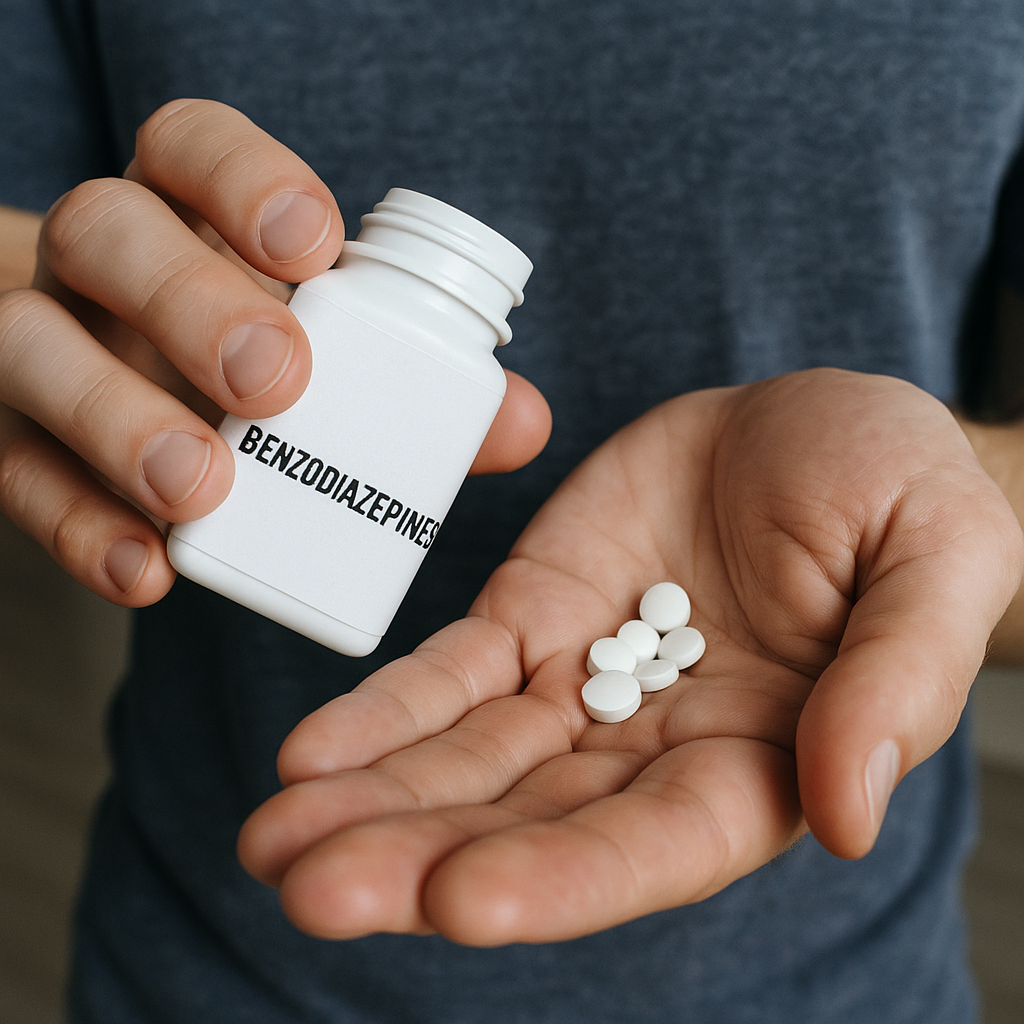
Benzodiazepines, often called “benzos,” are among the most commonly prescribed medications for anxiety disorders. They work fast, calm the mind, and offer much-needed relief when anxiety feels overwhelming. But behind their soothing effects lies a darker side—one that can lead to dependence, addiction, and long-term consequences.
These medications, such as Xanax, Ativan, and Valium, act on the central nervous system by enhancing the effects of a brain chemical called GABA (gamma-aminobutyric acid). GABA slows brain activity, helping to ease symptoms of anxiety, panic attacks, insomnia, and even seizures. For someone in the middle of a panic attack, a benzo can feel like a miracle—offering almost immediate calm and clarity.
That quick relief is both the blessing and the curse of benzodiazepines. Unlike other medications for anxiety, such as SSRIs (which take weeks to work), benzos can kick in within minutes. This fast-acting nature makes them highly effective for short-term use, particularly during acute anxiety episodes or before a high-stress event like surgery or flying. But it also makes them easy to misuse.
The brain quickly adapts to the presence of benzodiazepines. Over time, people may need more of the drug to achieve the same calming effect—a phenomenon known as tolerance. With tolerance comes physical dependence, and suddenly, stopping the medication isn’t as simple as just quitting. Withdrawal symptoms can include insomnia, heightened anxiety, muscle tension, irritability, and even seizures in severe cases. Ironically, the very symptoms these drugs were meant to treat can come roaring back stronger than ever.
For many, benzodiazepine use begins with a legitimate prescription. A person seeks help for anxiety, receives a benzo, and begins to rely on it to function. But gradually, that reliance can shift into something else—needing the medication just to feel “normal,” and struggling to go a day without it. That’s where addiction starts to creep in.
Addiction to benzodiazepines is more common than people realize, especially when the drugs are combined with other substances like alcohol or opioids. This combination can be deadly. Both benzos and alcohol depress the central nervous system, and when taken together, they can severely slow breathing, heart rate, and brain function—sometimes fatally.
The path to recovery from benzo addiction is not easy, but it is possible. Because of the withdrawal risks, quitting cold turkey is dangerous and should always be supervised by medical professionals. Detoxing in a safe, structured environment helps manage symptoms while giving the body time to adjust. After detox, long-term therapy and support are essential. Cognitive behavioral therapy (CBT), support groups, and treatment programs can all play a role in helping people rebuild their lives.
It’s also worth noting that not everyone who takes benzodiazepines becomes addicted. When used as prescribed and for a limited time, these medications can be incredibly helpful. The issue lies in prolonged use without a clear plan for tapering or exploring non-medication-based anxiety treatments.
The conversation around benzodiazepines is complex. On one hand, they offer hope and relief for millions struggling with anxiety. On the other hand, they pose serious risks when misused or relied on for too long. Finding the balance is key—between helping people feel better in the moment and protecting their long-term health.
Ultimately, the role of benzodiazepines in anxiety and addiction comes down to awareness. People need to understand the potential risks, doctors need to be cautious and proactive in prescribing them, and those who struggle with addiction need to know they’re not alone—and that help is out there.
Because life is too short to be trapped by something that was supposed to set you free.
If you or a loved one are struggling with addiction or mental health issues, please give us a call today at 855-952-3546