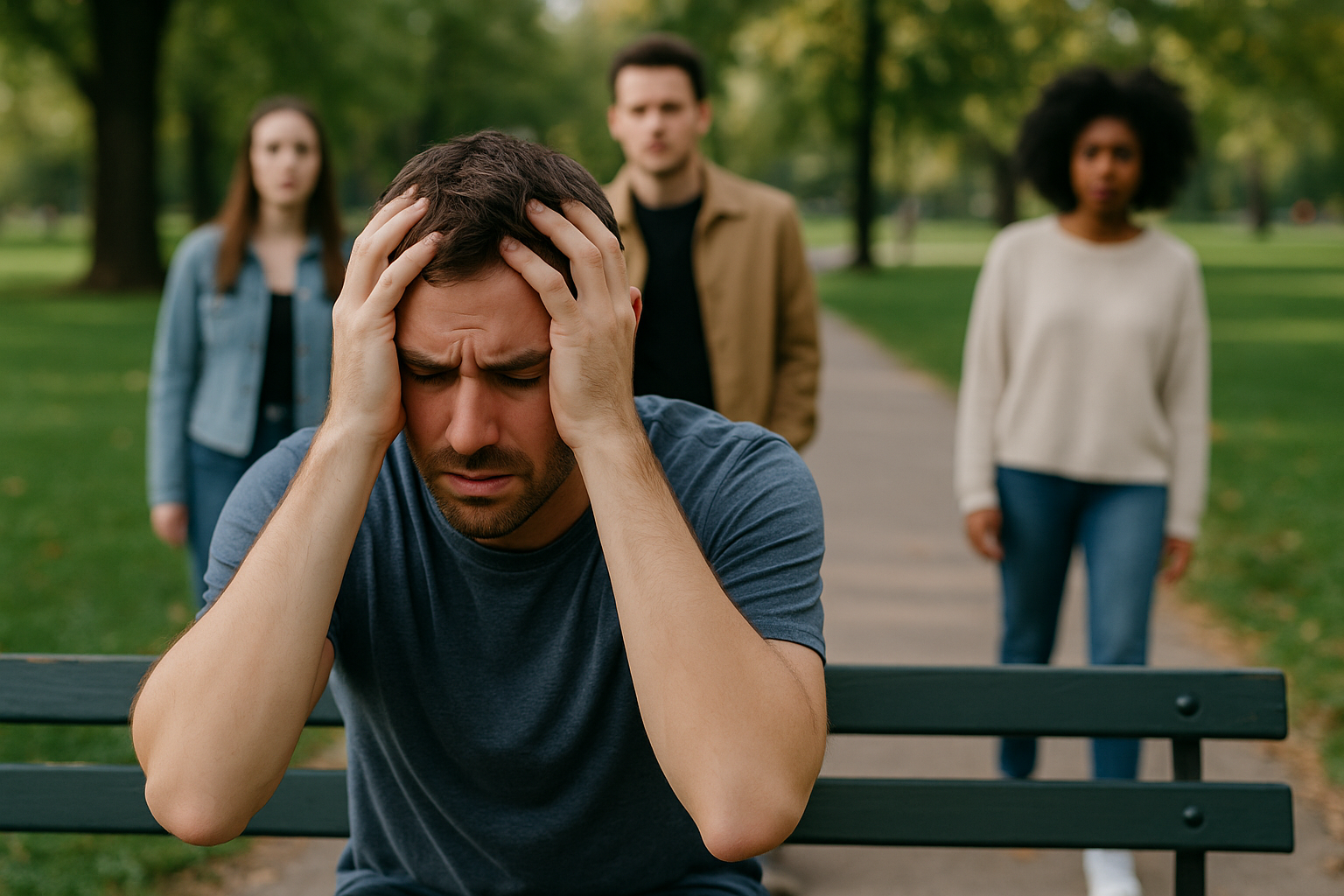
Feeling anxious for no clear reason can be confusing and frustrating. You might find yourself suddenly overwhelmed by worry, tension, or a racing heart even when nothing stressful seems to be happening. If you’ve ever wondered, “Why do I feel anxious for no reason?” you’re not alone. Anxiety can often appear without a specific trigger, and understanding why this happens is an important step toward managing your mental health.
What Causes Anxiety Without an Obvious Reason?
Anxiety is a natural response designed to protect us from danger, but sometimes it gets stuck in “on” mode. This can happen due to a variety of reasons, including genetics, brain chemistry, past trauma, or chronic stress. Sometimes, anxiety is linked to an underlying mental health condition like generalized anxiety disorder (GAD) or panic disorder, which can cause persistent feelings of anxiety even without a clear cause.
One common but overlooked reason for unexplained anxiety is substance use and addiction. Alcohol, drugs, and even some medications can impact brain chemistry and increase anxiety. For example, alcohol might initially calm your nerves, but over time, it disrupts your brain’s balance, leading to increased anxiety and mood swings. This creates a vicious cycle where people use substances to cope with anxiety, which then worsens the problem.
Addiction and Anxiety: A Dangerous Connection
Substance abuse and addiction can cause or worsen anxiety in several ways:
- Chemical imbalances: Many substances affect neurotransmitters like serotonin and dopamine, which regulate mood and anxiety levels. Disruption here can trigger anxiety.
- Withdrawal symptoms: When someone stops using a substance, withdrawal can cause intense anxiety and panic attacks.
- Increased stress: Addiction often brings financial, social, and legal stress, which can fuel anxiety.
Understanding this link between addiction and anxiety is crucial for recovery. Sobriety isn’t just about stopping substance use; it’s about reclaiming mental and emotional health.
Why Sobriety Helps Manage Anxiety
Choosing sobriety can significantly improve anxiety symptoms. When you stop using substances that interfere with your brain’s chemistry, you give your body a chance to heal and rebalance. Many people find that their anxiety lessens after a period of sustained sobriety. However, recovery isn’t always easy. The early stages of sobriety can sometimes bring heightened anxiety as your brain adjusts, but this usually improves with time and proper support.
Mental Health Is Just as Important as Physical Health
Anxiety without an obvious reason is a sign that something deeper is going on with your mental health. It’s important to take your feelings seriously and seek help if anxiety is interfering with your daily life. Just as you would see a doctor for a physical illness, consulting a mental health professional can provide valuable tools and treatment options to manage anxiety effectively.
Treatment might include therapy, such as cognitive-behavioral therapy (CBT), medication, or a combination of both. Support groups and lifestyle changes like regular exercise, meditation, and healthy sleep habits also play a key role in managing anxiety.
Taking the First Step: Help Is Available
If addiction is part of your anxiety story, know that help is available. Many treatment centers specialize in dual diagnosis — treating both addiction and mental health disorders like anxiety simultaneously. Recovery programs often provide counseling, medical support, and life skills to help you build a balanced, sober life.
Your mental health matters. Anxiety might feel like it comes out of nowhere, but there is always a reason beneath the surface. Whether it’s addiction, stress, or a mental health condition, addressing the root causes is the key to feeling better.
Final Thoughts
Feeling anxious for no reason can feel isolating, but it’s a common experience tied closely to both mental health and addiction. Sobriety can be a powerful step toward healing anxiety, but it’s only part of the journey. Prioritizing your mental health by seeking professional support, embracing healthy habits, and building a strong sober foundation can help you regain control and enjoy a calmer, more balanced life.
Remember, anxiety is a signal — not a weakness. Taking care of your mental health is one of the most important things you can do for yourself. If you or someone you know struggles with anxiety and addiction, reaching out for help can be the first step toward a healthier, happier future.
If you or a loved one are struggling with addiction or mental health issues, please give us a call today at 855-952-3546