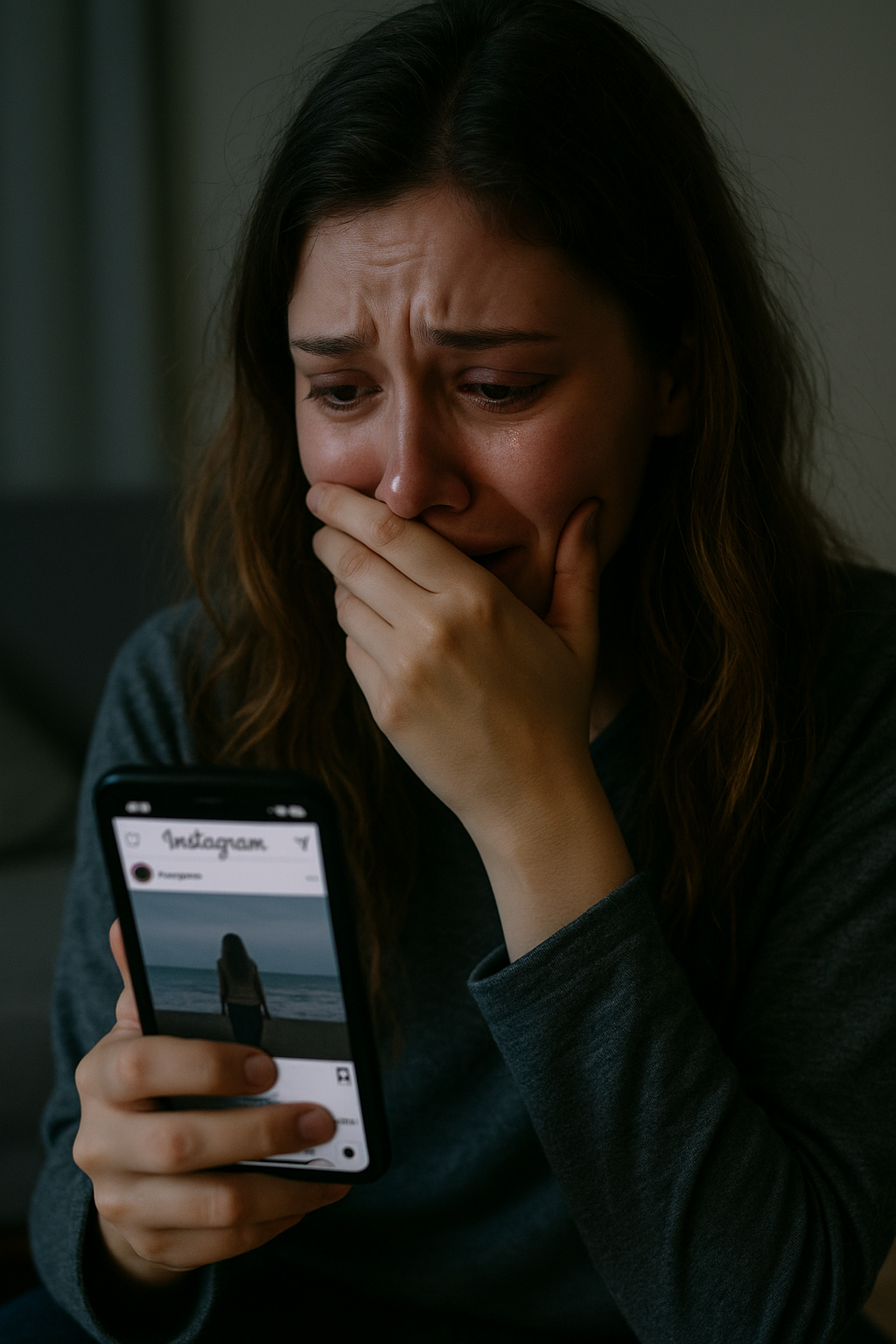
We open our phones without thinking. A quick scroll, a double-tap, a video or two—and suddenly, an hour has vanished. But what many people don’t realize is that behind every swipe and like is an algorithm, quietly shaping what we see and how we feel. Social media algorithms aren’t just neutral bits of code; they’re powerful engines driving engagement, and with that power comes real mental health consequences—especially when it comes to anxiety and depression.
At its core, a social media algorithm is designed to keep you on the platform as long as possible. It does this by showing you content that you’re most likely to engage with—whether it makes you laugh, cry, get angry, or spiral into comparison. The more you react, the more the algorithm “learns” what to feed you. It’s not evil; it’s just doing its job. But in doing so, it often prioritizes emotionally charged content that can harm mental health over time.
One of the biggest ways these algorithms affect us is through comparison. Social media is filled with carefully curated moments—highlight reels that rarely show the mess behind the scenes. When algorithms serve up influencers, celebrities, or even peers living their “best lives,” it’s easy to feel like you’re not measuring up. That’s when anxiety creeps in. Why don’t I look like that? Why don’t I have that lifestyle? It’s not just a thought—it’s a mental loop that can spiral into self-doubt and even hopelessness.
Depression can follow closely behind. When people see content that makes them feel left out, less attractive, or unimportant, it creates a constant low-level dissatisfaction. The algorithm doesn’t stop to ask if a video makes you feel worse—it just notes that you watched it twice and adds more like it to your feed. It reinforces the cycle, and before long, what was once casual scrolling turns into a trap of negative content that feeds a depressed mood.
It doesn’t help that most people use social media when they’re already vulnerable—late at night, when they’re alone, or when they’re bored or anxious. That’s when the algorithm’s grip tightens. It senses your habits and adjusts your feed in real time. You end up in what’s called an echo chamber—a loop of similar content, thoughts, and emotions. If you’re anxious, it might keep feeding you videos about anxiety. If you’re feeling low, it might start pushing sad posts or trauma stories. The longer you watch, the deeper you go.
Even worse, content that’s exaggerated or emotionally manipulative often performs the best. Outrage, drama, and fear are fuel for engagement—and the algorithm loves that. This doesn’t mean that people should stop using social media altogether. But it does mean we need to become aware of how our feeds are being shaped for us, not by us.
So, what can we do about it?
First, take control where you can. Start by curating your own feed—unfollow accounts that make you feel worse, and engage more with uplifting or educational content. The algorithm will catch on. Second, take regular breaks. Give your brain time to reset without the constant drip of dopamine that scrolling provides. Third, recognize when it’s time to log off. If you find yourself feeling anxious, sad, or irritable after being online, that’s your sign.
Lastly, don’t hesitate to talk about how social media makes you feel. Whether it’s a therapist, a friend, or even writing it down, acknowledging the impact can help break the cycle.
Social media isn’t going anywhere. But by understanding how these algorithms work, we can start using these platforms with more awareness and a healthier mindset. Life is short. And your peace of mind is worth more than any like, share, or trending post.
If you or a loved one are struggling with addiction or mental health issues, please give us a call today at 855-952-3546