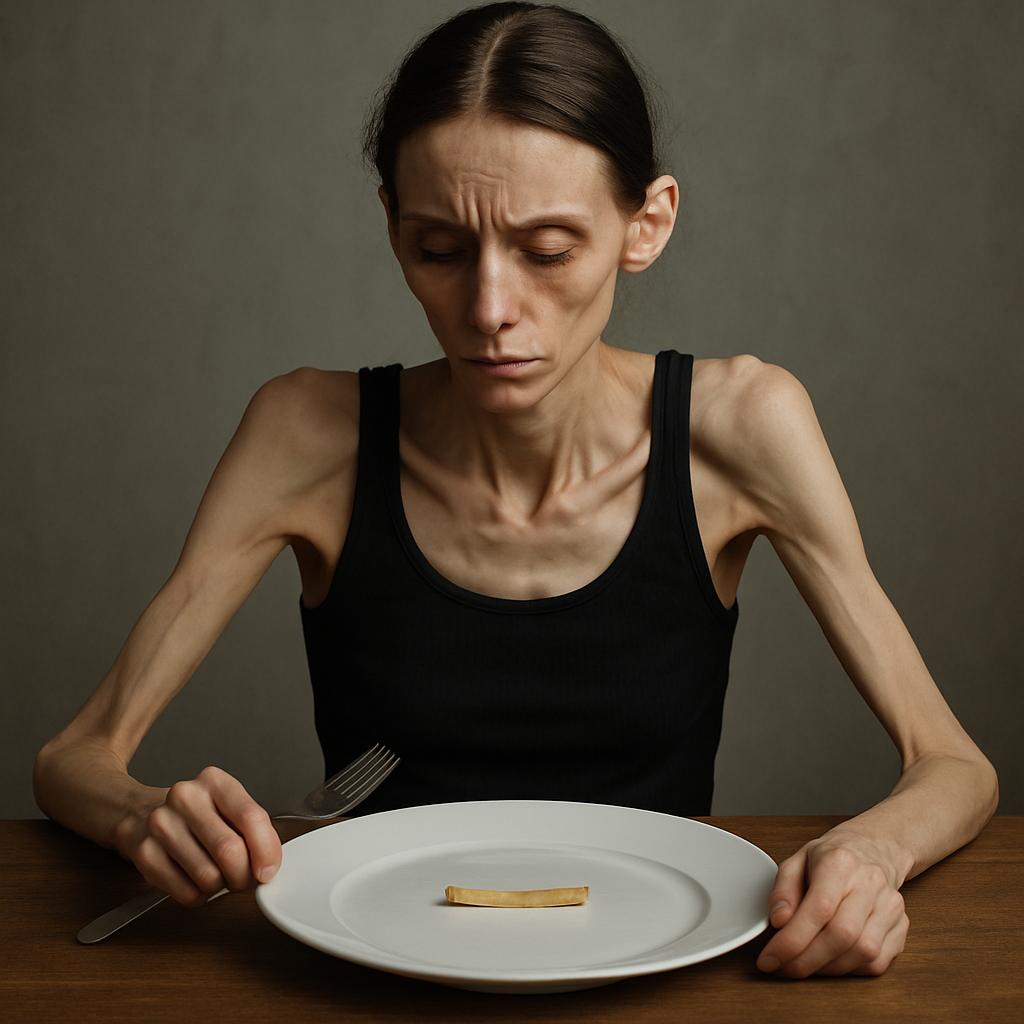
Why Anxiety Can Lead to Appetite Loss
Anxiety affects everyone differently. Some people feel jittery and restless, while others get nauseous or struggle to breathe. One common but often overlooked symptom is appetite loss. If you’ve ever felt too anxious to eat or found yourself skipping meals without realizing it, you’re not alone. Anxiety can sneak into every corner of your life, and that includes your stomach.
When anxiety ramps up, your body enters “fight or flight” mode. This is a survival mechanism designed to help you deal with danger—whether real or imagined. Your brain sends signals to release stress hormones like adrenaline and cortisol. These chemicals increase your heart rate, sharpen your focus, and prepare your muscles for action. But they also shut down non-essential functions like digestion. In other words, when your brain thinks you’re in trouble, eating becomes a low priority.
That’s why anxious moments often come with a tight chest, upset stomach, or even nausea. Your body is too busy trying to survive the perceived threat to worry about processing food. This can lead to skipped meals, reduced hunger, or even a complete disinterest in food. For people with chronic anxiety, this pattern can become routine. The longer your stress response stays active, the harder it is for your appetite to return to normal.
But it’s not just physical. Anxiety also messes with your thoughts. People dealing with anxious thinking often become preoccupied with worst-case scenarios. They may worry about upcoming events, social situations, or personal failures—sometimes all at once. In the middle of all this mental chaos, eating can feel unimportant or even burdensome. Some may forget to eat. Others may actively avoid food because of stomach discomfort or the fear it will make them feel worse.
Over time, appetite loss from anxiety can have real consequences. Lack of nutrition can weaken your immune system, make you feel tired, and increase irritability—all of which can make your anxiety worse. It becomes a vicious cycle: anxiety suppresses your appetite, and not eating properly fuels more anxiety.
There’s also an emotional side to appetite loss. For some people, food is a source of comfort, but for others, it becomes a source of stress. They may associate eating with guilt, body image issues, or control. When anxiety hits, these feelings can intensify. The result? Skipping meals becomes a coping strategy, even if it’s not a healthy one.
The good news is that this cycle can be broken. The first step is recognizing the pattern. If you’ve noticed that your eating habits change when you’re stressed or anxious, that’s worth paying attention to. Try keeping a simple log of your meals and moods. You might start to see a clear link between anxiety spikes and skipped meals.
Small habits can also help restore balance. Set reminders to eat, even if it’s just something light. Choose easy-to-digest foods that won’t upset your stomach. Eating in calming environments—away from screens and stress—can also help ease your body out of fight or flight mode. And while it might seem obvious, staying hydrated is key. Sometimes anxiety can trick your body into thinking it’s not hungry when it’s actually dehydrated.
Lastly, if appetite loss becomes frequent or severe, it’s important to seek support. Anxiety is very real, and its impact on physical health should never be brushed off. Talking to a therapist, counselor, or medical professional can give you tools to manage anxiety more effectively—both mentally and physically.
Anxiety might try to convince you that food doesn’t matter right now, but the truth is, your body needs nourishment to heal, to think clearly, and to feel grounded. Prioritizing meals, even in small ways, is one step toward calming the storm inside.
If you or a loved one are struggling with addiction or mental health issues, please give us a call today at 855-952-3546