When the weekend hits, many young people head out to clubs, parties, or music festivals looking for fun and escape. But in those dark, neon-lit corners, there’s a danger that often goes unnoticed—club drugs. These substances, also known as “party drugs,” are commonly used in social settings for their euphoric and hallucinogenic effects. Parents need to understand what these drugs are, why they’re used, and the serious risks they pose.
Club drugs include a variety of substances, but the most well-known are MDMA (also called Ecstasy or Molly), GHB, ketamine, LSD, and Rohypnol. While they may seem like harmless ways to enhance a night out, these drugs can have dangerous, even deadly, consequences. They’re often consumed without fully knowing what’s in them, and their effects can be unpredictable.
One reason club drugs are popular is because they make users feel connected, energized, and uninhibited. For example, MDMA increases feelings of empathy and closeness, making it a staple at raves and music festivals. Ketamine, a dissociative anesthetic, can create out-of-body experiences. GHB and Rohypnol are depressants, sometimes used to heighten relaxation—but they also have a sinister reputation as “date rape” drugs due to their ability to knock someone out and cause memory loss.
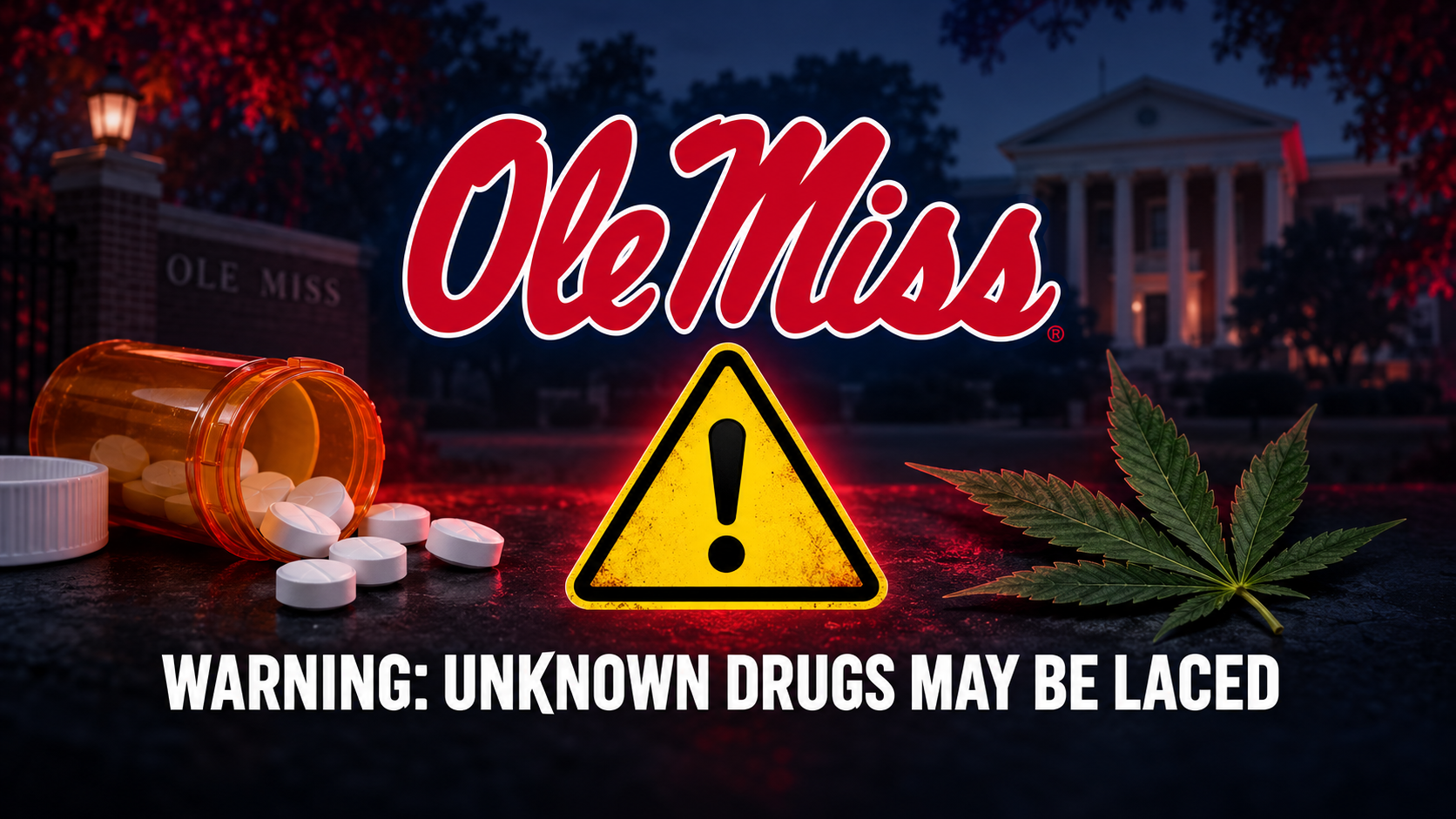
What makes club drugs even more dangerous is their lack of regulation. These substances are often made in illegal labs, mixed with unknown chemicals, and sold in pills or powders that can contain deadly contaminants like fentanyl. This means that even a small dose can be enough to cause a fatal overdose, especially when mixed with alcohol or other drugs.
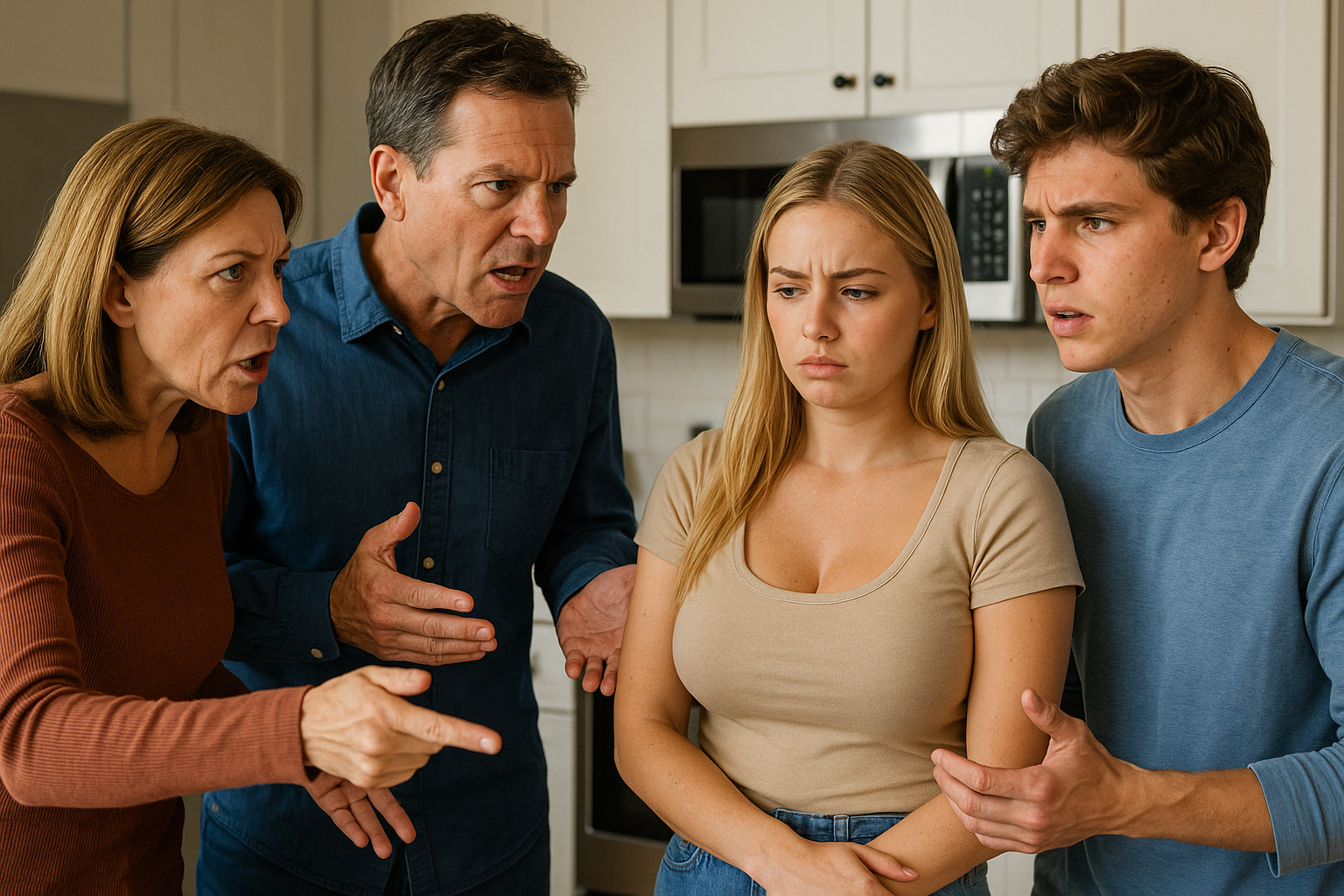
As a parent, it’s easy to think, “Not my kid.” But the truth is, many teens and young adults experiment with substances out of curiosity, peer pressure, or simply the desire to fit in. Even high-achieving students or kids who seem well-adjusted can fall into the trap of thinking one pill won’t hurt. Club drugs are particularly dangerous because their effects can feel good at first—but they can quickly spiral into panic, aggression, dehydration, seizures, or unconsciousness.
So, what can parents do?
Start with open communication. Have honest, judgment-free conversations with your child about drugs. Let them know you’re not just lecturing—you’re trying to protect them. Ask what they’ve heard about these drugs. Talk about what they’d do if someone offered them something at a party. Offer real-life examples of how quickly things can go wrong, even if someone thinks they’re just “trying it once.”
It’s also important to stay alert for warning signs. Changes in behavior, erratic sleep patterns, extreme mood swings, secrecy, and withdrawal from family activities can all be red flags. If your teen comes home from a party acting unusually agitated or groggy, don’t brush it off. While it might not always be drugs, staying attentive and asking questions can open the door to a much-needed conversation.
Lastly, if you suspect your child is using or struggling with club drugs, don’t wait to take action. Reach out to a trusted healthcare provider or addiction counselor. The earlier the intervention, the better the chances of a full recovery. Remember, addiction doesn’t always look like what we see on TV—it often starts with a seemingly harmless choice that snowballs.
In today’s world, the club drug scene isn’t confined to sketchy nightclubs or strangers. It’s at high school parties, college dorms, and even casual get-togethers. Education is the first defense. Awareness is the shield. And connection—the kind built through trust and honest talk—is your most powerful tool in keeping your kids safe.
If you or a loved one are struggling with addiction or mental health issues, please give us a call today at 855-952-3546