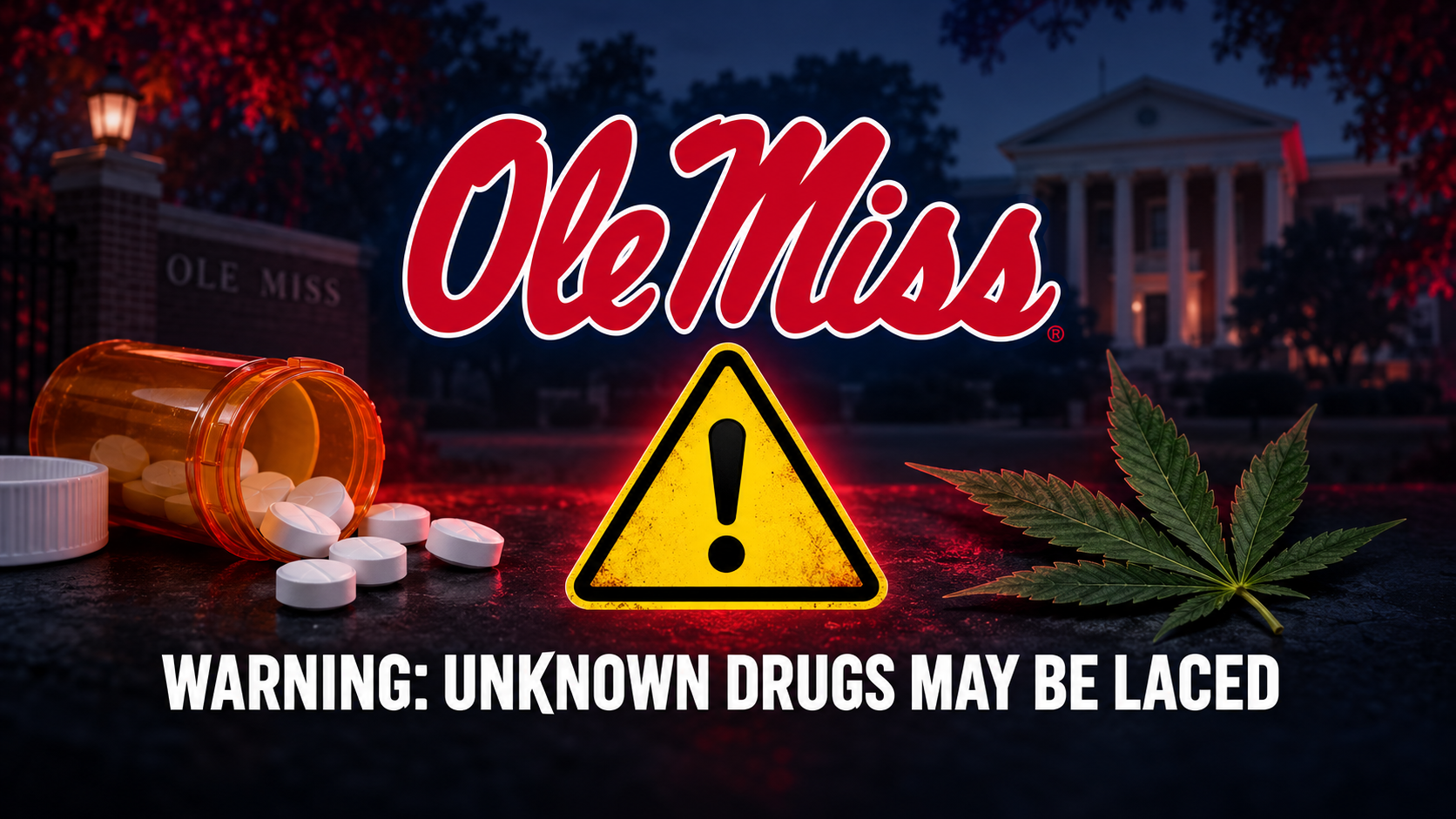
Painkillers—especially opioids like oxycodone, hydrocodone, and morphine—are often prescribed to help people manage severe or chronic pain. While these medications can offer temporary relief, they can also lead to something far more dangerous: addiction. What may start as a legitimate prescription can quickly spiral into dependency, making it hard for someone to live without the drug. Knowing the signs of addiction to painkillers can help you or someone you love spot the problem early and get the help that’s needed.
1. Increased Tolerance and Dosage
One of the first red flags is a growing tolerance. This means the prescribed dose no longer works, and the person starts taking more pills than directed. They might say things like “it’s not working anymore” or “I just need one more to get through the day.” This is a dangerous cycle. The more the body adapts to the drug, the more of it is needed to feel the same effect, which sets the stage for dependency and potential overdose.
2. Cravings and Obsession
People addicted to painkillers often think about the drug constantly—when they’ll take it next, how much they have left, or how to get more. These cravings can consume their thoughts and make it difficult to focus on anything else. If someone seems distracted, anxious, or irritable until they’ve taken their medication, it could be a sign they’re no longer using it for pain but to satisfy a deeper need.
3. Doctor Shopping or Prescription Forging
A person who’s addicted may start going to multiple doctors or emergency rooms to get more prescriptions. They may exaggerate symptoms, claim they’ve lost their meds, or even forge prescriptions. If someone becomes secretive about their medical visits or seems to know a suspicious amount about how to get painkillers, this behavior should raise a red flag.
4. Changes in Mood or Behavior
Addiction doesn’t just affect the body—it deeply impacts mood and mental health. People may become depressed, anxious, or unusually aggressive. You might notice mood swings, apathy, or withdrawal from social situations. Their priorities shift, and things they once cared about—family, work, hobbies—start to fade into the background.
5. Neglecting Responsibilities
Someone addicted to painkillers might start skipping work, missing appointments, or letting their personal hygiene slip. Bills go unpaid, deadlines get missed, and relationships become strained. These are often clear signs that the person’s life is starting to revolve around their drug use.
6. Physical Symptoms
There are also physical warning signs: slurred speech, drowsiness, constipation, confusion, and pinpoint pupils. In more serious cases, people may experience shallow breathing or nodding off in the middle of conversations. Withdrawal symptoms are another giveaway—flu-like aches, sweating, chills, nausea, and restlessness if they miss a dose.
7. Denial and Defensiveness
If you bring up concerns and they respond with anger, blame, or denial, that could indicate a deeper issue. People often try to hide addiction out of fear or shame. They may insist they’re fine or that they’re in control, even when the signs clearly suggest otherwise.
Painkiller addiction is a serious and growing problem, but it doesn’t have to be permanent. Recognizing the signs early can make all the difference in getting someone the help they need. If you notice these behaviors in yourself or a loved one, don’t wait. Addiction thrives in secrecy—but recovery begins with honesty and action. Life is too short to live dependent on a pill bottle. There is a better way forward.
If you or a loved one are struggling with addiction or mental health issues, please give us a call today at 855-952-3546