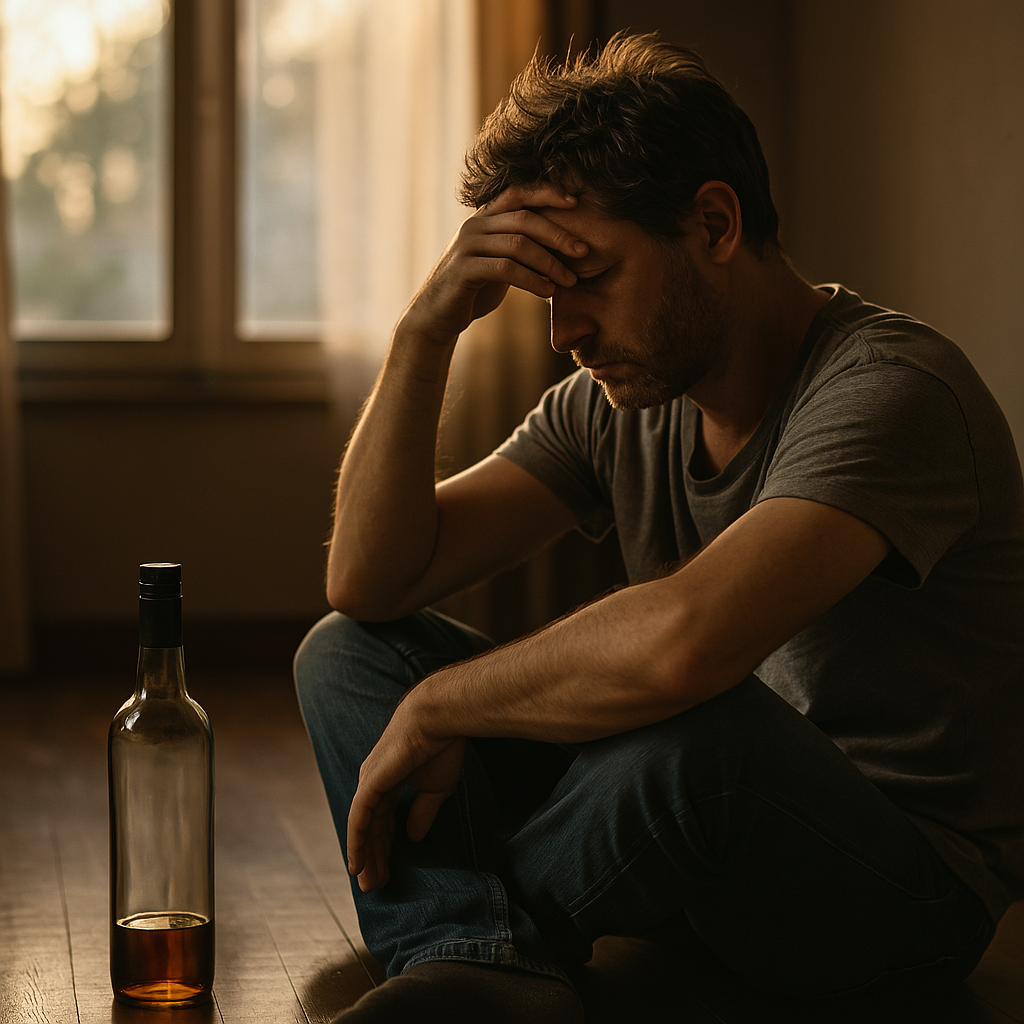
Quitting alcohol can feel like stepping off a speeding train. Your body slams the brakes on something it’s gotten used to, and the result can be… intense. But it’s also a beginning. A painful, uncomfortable, and at times scary beginning—but one that leads to clarity, health, and real freedom. Life is short. Sobriety is best.
Let’s walk through what really happens during alcohol withdrawal, and why so many people still choose to do it despite the hurdles.
Why Withdrawal Happens
When someone drinks regularly, especially in large amounts, the brain adjusts to the constant presence of alcohol. Alcohol depresses the nervous system, so over time, the body tries to compensate by amping everything up—more excitatory chemicals, more stimulation, more alertness.
So, when you suddenly stop drinking, the brakes are gone, but the gas pedal is still pressed to the floor. Your brain is racing. This is what causes alcohol withdrawal symptoms.
The First 6–12 Hours: Subtle But Building
In the earliest hours, withdrawal symptoms start off light. Think anxiety, irritability, restlessness, and some mild shaking. People often describe it as feeling like their nerves are buzzing. You might also sweat more than usual and have trouble sleeping.
12–48 Hours: The Peak of Discomfort
This is when things usually get worse. During this time, symptoms peak. You might have:
- Intense anxiety
- Vomiting or nausea
- Tremors
- Headaches
- Rapid heartbeat
- Confusion
Some people even experience hallucinations during this stage, known as alcoholic hallucinosis. While these aren’t usually dangerous, they can be deeply unsettling.
48–72 Hours: Delirium Tremens (DTs)
This is the most severe stage and usually only occurs in long-term or heavy drinkers. Delirium Tremens, or DTs, can be life-threatening. Symptoms include:
- Severe confusion
- High blood pressure
- Fever
- Seizures
- Visual or auditory hallucinations
Only about 5% of people who go through alcohol withdrawal get DTs, but they require immediate medical help. This is why medically supervised detox is so important.
After 72 Hours: The Light at the End
For most people, the worst is over by day four. But there can still be lingering effects—fatigue, anxiety, depression, and trouble sleeping. These can last for weeks or even months, depending on how long and how heavily you were drinking.
But here’s the thing: with every day that passes, the fog clears a little more. Your body starts healing. Your mind sharpens. You begin to feel again, think clearly, and function without a crutch. And that’s powerful.
Why It’s All Worth It
Yes, withdrawal is tough. It’s gritty. But you know what’s tougher? Living every day chained to a bottle. Missing out on relationships, dreams, clarity, and happiness. Alcohol promises escape, but it delivers emptiness. Sobriety, on the other hand, brings you back to life.
Life is short. Too short to waste in a haze of hangovers, regrets, and missed chances. Getting sober doesn’t mean losing joy—it means finding it again.
If you or someone you know is thinking about quitting alcohol, remember this: you don’t have to do it alone. There are detox centers, therapists, support groups, and people who’ve walked the same path and want to help.
Withdrawal is the storm. Sobriety is the calm after it—and the sunlight that follows.
If you or a loved one are struggling with addiction or mental health issues, please give us a call today at 855-952-3546