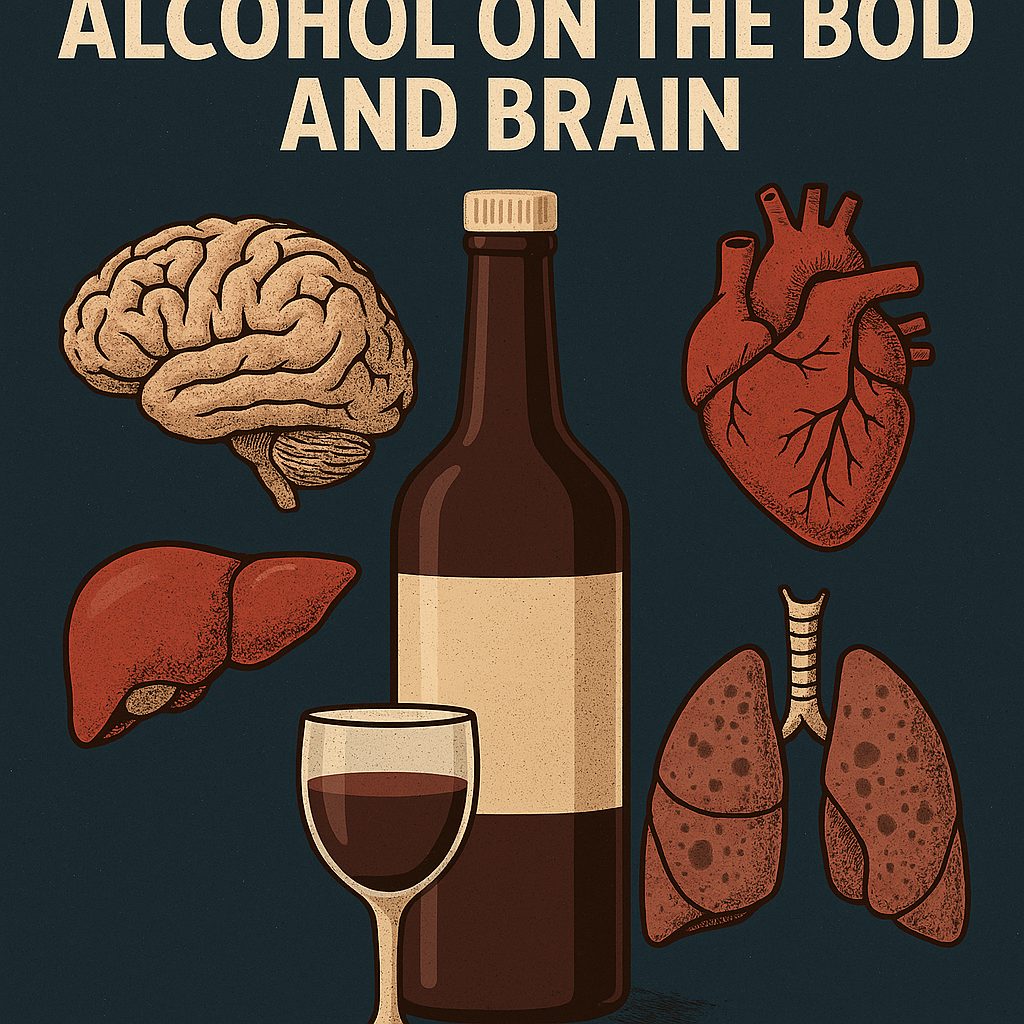
The Long-Term Effects of Alcohol on the Body and Brain
Alcohol may be legal, but don’t let that fool you—it’s one of the most damaging substances when abused over time. While a drink here or there might seem harmless, long-term, heavy alcohol use can wreak havoc on both the body and brain in ways that aren’t always easy to reverse. If you’re on the fence about cutting back or quitting altogether, here’s what you need to know.
Your Liver: Ground Zero for Damage
The liver is the body’s detox powerhouse, but alcohol overloads it like a Monday morning inbox. Over time, excessive drinking can lead to fatty liver, alcoholic hepatitis, fibrosis, and eventually cirrhosis—a deadly condition where healthy liver tissue is replaced with scar tissue. Once cirrhosis hits, the damage is usually irreversible.
Even moderate drinkers aren’t off the hook. The liver can only process a small amount of alcohol per hour. Anything beyond that builds up in your system and strains the liver, slowly wearing it down.
Your Heart Isn’t Loving It
Many people believe a glass of red wine is “good for the heart.” Maybe in small doses. But when drinking becomes habitual or heavy, it increases your risk of high blood pressure, irregular heartbeat (arrhythmias), stroke, and cardiomyopathy (a weakening of the heart muscle). Chronic drinkers are walking around with a ticking time bomb in their chest—and most don’t realize it until it’s too late.
Your Brain Takes a Major Hit
Alcohol affects the brain almost immediately, which is why you feel buzzed after a couple drinks. But when you make drinking a lifestyle, alcohol starts playing a longer, darker game. It shrinks brain volume, damages neurotransmitters, and disrupts communication pathways. This can lead to memory loss, cognitive decline, anxiety, depression, and even permanent brain damage.
You might laugh off a night of blacking out now, but repeated episodes of memory loss and brain fog are signs your brain is waving a white flag.
The Gut-Brain Axis Breaks Down
Heavy alcohol use damages the digestive system by disrupting the gut lining, leading to poor nutrient absorption and inflammation. A damaged gut impacts mental health too—thanks to the gut-brain axis, your gut health and brain function are closely linked. When alcohol throws this relationship off balance, it can worsen depression, anxiety, and mood swings.
Immune System? Consider It Compromised
Alcohol weakens your immune system, leaving your body more vulnerable to infections and illness. Chronic drinkers are more likely to get sick and recover slower. It also raises the risk of several cancers, including liver, breast, mouth, throat, and colon cancer. In other words, alcohol doesn’t just mess you up short-term—it sets you up for a lifetime of health problems.
So… What Can You Do?
If you’re reading this and feeling worried—good. That means you’re paying attention. The good news is your body has an incredible ability to heal. Reducing or quitting alcohol can lower your risk of these long-term effects and help you feel sharper, stronger, and healthier overall.
Sobriety isn’t a punishment—it’s a reset button. Whether it’s for your liver, brain, or mental clarity, putting down the bottle might be the best decision you’ll ever make.
If you or a loved one are struggling with addiction or mental health issues, please give us a call today at 855-952-3546