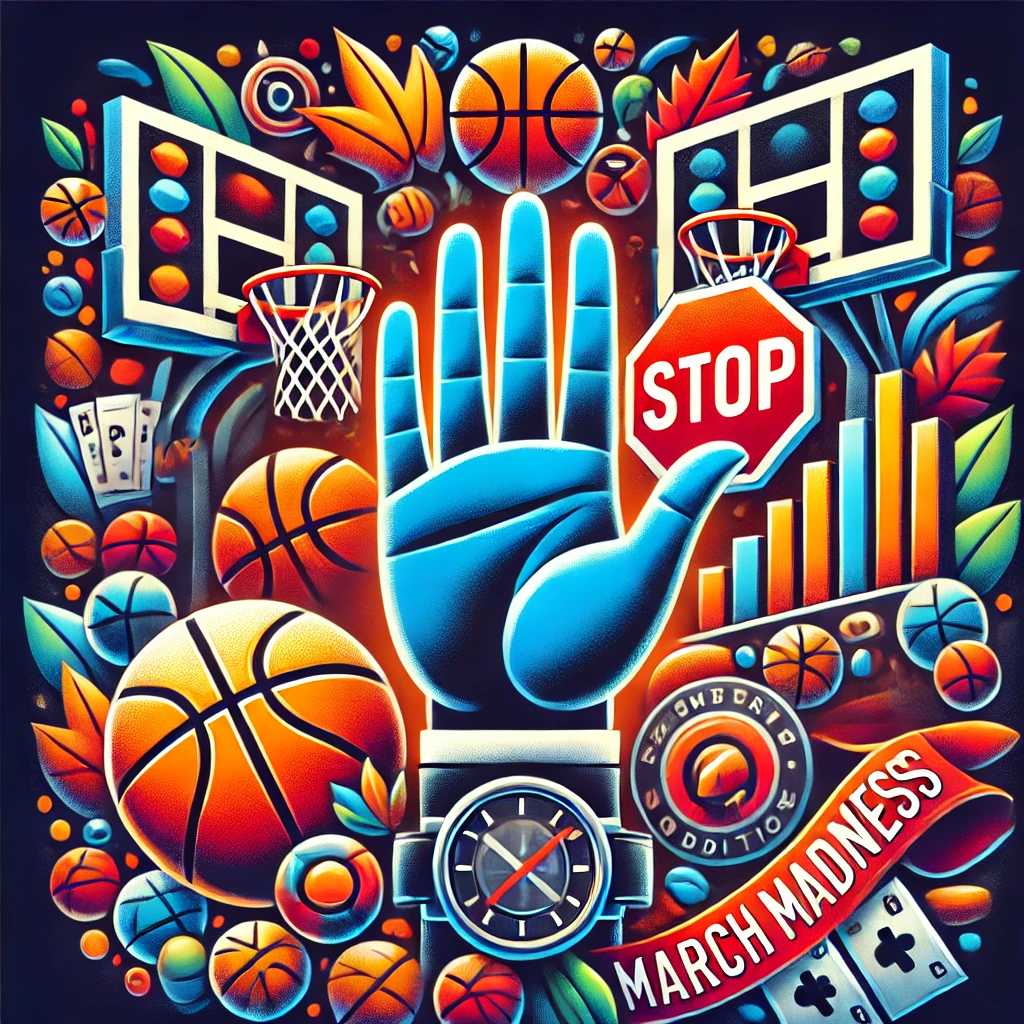
March Madness is one of the most exciting times of the year for basketball fans. The NCAA basketball tournament brings thrilling games, bracket challenges, and countless opportunities to get swept up in the excitement. However, it’s also a prime time when the temptation to gamble can become overwhelming for many individuals. Understanding the risks associated with gambling during March Madness and how to avoid giving in to addictive behaviors is crucial for maintaining control and ensuring the fun stays safe and enjoyable.
Why March Madness Fuels Gambling
The annual NCAA tournament attracts millions of viewers, many of whom engage in bracket betting pools at work, among friends, or online. While filling out brackets and placing friendly wagers may seem harmless, this casual activity can quickly spiral into problematic behavior for individuals susceptible to gambling addiction.
The constant availability of betting opportunities, the emotional rollercoaster of unpredictable game outcomes, and the peer pressure of joining in can all create a perfect storm for excessive gambling. It’s important to recognize these triggers and approach the tournament with caution.
The Slippery Slope of Gambling Addiction
For some people, gambling starts as a simple pastime. But when the excitement of winning or the desperation of losing leads to uncontrollable impulses, the consequences can be devastating. Gambling addiction is a recognized mental health condition characterized by an inability to resist betting, even when it causes significant personal harm.
Common signs of gambling addiction include betting more than one can afford, chasing losses, experiencing anxiety or irritability when not gambling, and lying to loved ones about gambling habits. If any of these behaviors resonate with you, it’s essential to seek help immediately.
Risks and Consequences
The stakes involved in gambling addiction go far beyond financial losses. Relationships can become strained, mental health can suffer significantly, and job performance may deteriorate. Additionally, severe cases of gambling addiction can lead to legal troubles, bankruptcy, and an increased risk of substance abuse as individuals seek to cope with their overwhelming stress and guilt.
Healthy Ways to Enjoy March Madness
It’s entirely possible to enjoy the excitement of March Madness without betting. Here are several ways to engage healthily and positively with the tournament:
- Join non-monetary bracket competitions: Focus on friendly competition that emphasizes bragging rights over financial gain.
- Host game-viewing parties: Celebrate the tournament by spending quality time with friends and family, without wagering involved.
- Engage in community events: Many local organizations host events centered around March Madness that offer a healthy and inclusive atmosphere.
Protecting Yourself and Others
If you or someone you know is at risk of developing a gambling problem, taking preventive steps is vital:
- Set firm boundaries: Decide ahead of time not to gamble and stick firmly to this rule.
- Stay busy with alternative activities: Redirect your energy toward hobbies or volunteer activities during this period.
- Seek support from friends and family: Talk openly about the temptation and ask for accountability and support.
Getting Help for Gambling Addiction
If gambling during March Madness has already started to feel out of control, it’s crucial to reach out to professionals who can offer specialized help. Counseling, therapy, support groups like Gamblers Anonymous, and other resources can significantly impact recovery. It’s important to remember you’re not alone and that help is available.
March Madness should be an enjoyable experience centered around camaraderie and sportsmanship. By recognizing the dangers associated with gambling and actively taking steps to protect yourself, you can ensure the tournament remains a positive and thrilling event without giving in to addictive behaviors.
If you or a loved one are struggling with addiction or mental health issues, please give us a call today at 855-952-3546