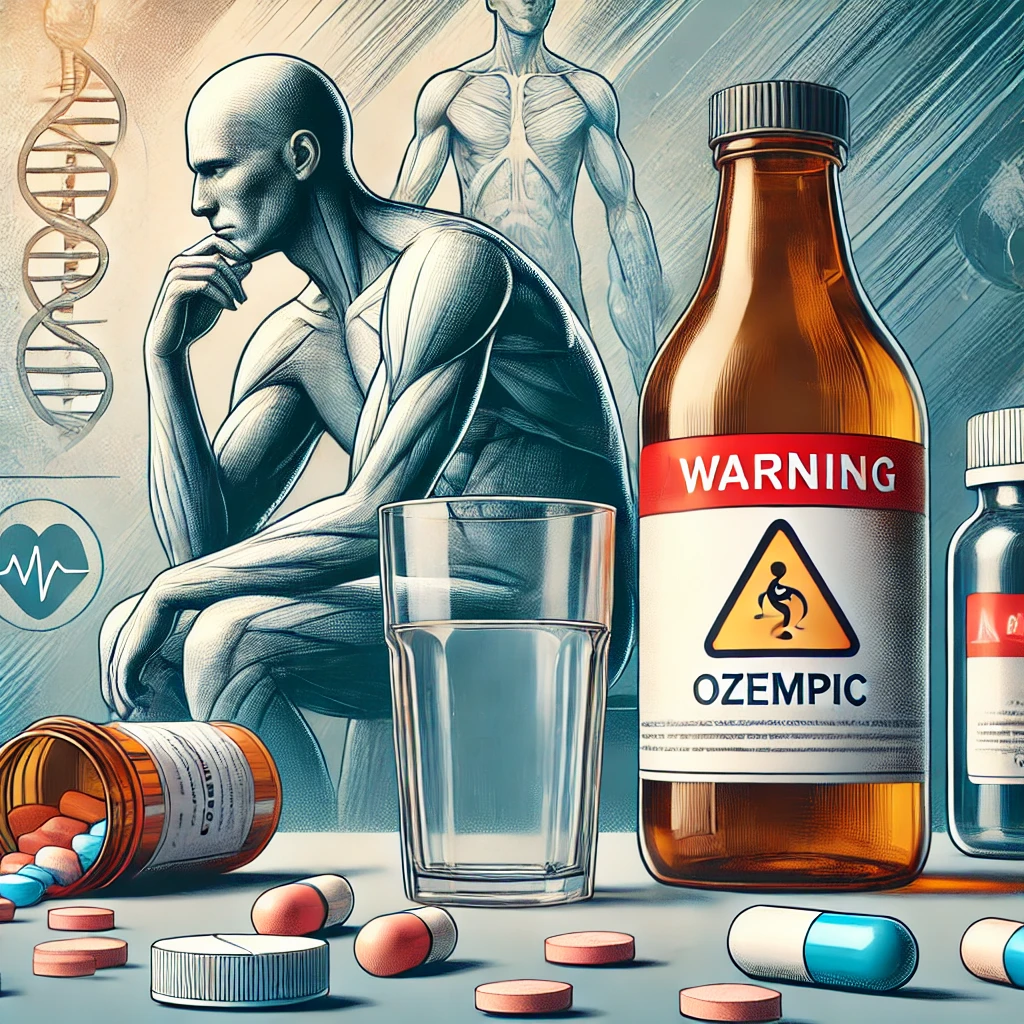
Long-Term Health Consequences of Mixing Ozempic with Alcohol and Drugs
Ozempic, a medication commonly prescribed to manage type 2 diabetes and aid in weight loss, has become a go-to solution for many. However, as with any medication, the combination of Ozempic with alcohol and other drugs can lead to serious long-term health consequences. It’s essential to understand the potential risks and how they may affect your body, particularly when used over an extended period.
What is Ozempic?
Ozempic (semaglutide) is a glucagon-like peptide-1 (GLP-1) receptor agonist. It works by mimicking the effects of a hormone that helps regulate blood sugar levels and appetite. By stimulating insulin production and suppressing appetite, Ozempic aids in managing diabetes and helping individuals with obesity lose weight. While this medication can offer numerous benefits, its effectiveness can be undermined if misused or mixed with other substances like alcohol and drugs.
Alcohol and Ozempic: A Dangerous Combination
Alcohol is known to affect blood sugar levels and metabolism, and when combined with Ozempic, it can exacerbate these effects. The liver is responsible for processing both alcohol and Ozempic, which can place an additional strain on the organ. Drinking alcohol while on Ozempic increases the risk of developing hypoglycemia (low blood sugar), which can lead to dizziness, confusion, fainting, or even seizures.
The long-term consequences of mixing alcohol with Ozempic can be severe, especially for those with pre-existing liver conditions or other metabolic disorders. Chronic alcohol consumption may further compromise the liver’s ability to process both substances efficiently, leading to liver damage over time.
Drug Interactions and Risks
Beyond alcohol, certain prescription and over-the-counter drugs can interact poorly with Ozempic. Medications that affect blood sugar levels, such as insulin or sulfonylureas, may increase the risk of hypoglycemia when combined with Ozempic. Additionally, drugs that impact the gastrointestinal system, such as antacids, can alter the absorption of Ozempic, making it less effective.
Long-term use of some medications, when mixed with Ozempic, can also lead to complications like kidney damage. Ozempic itself is excreted through the kidneys, and adding drugs that strain kidney function can exacerbate the risk of kidney disease.
What Happens to Your Body in the Long Run?
- Liver Damage: Mixing alcohol with Ozempic can place a strain on the liver, potentially leading to liver damage or even liver failure in extreme cases. The liver is responsible for processing both alcohol and Ozempic, and chronic use of alcohol can impair its ability to perform these functions.
- Increased Risk of Hypoglycemia: Both alcohol and Ozempic affect blood sugar levels, and the combination of the two can lead to dangerously low blood sugar. Over time, this can result in increased episodes of hypoglycemia, which can be life-threatening if left untreated.
- Kidney Strain: Ozempic is eliminated through the kidneys, and mixing it with drugs that affect kidney function could lead to kidney damage over time. This is especially concerning for individuals who already have kidney issues or are at higher risk of kidney disease.
- Digestive Issues: Ozempic can cause nausea, vomiting, and digestive discomfort on its own. When mixed with alcohol or drugs that affect the digestive system, these side effects can be exacerbated, leading to long-term gastrointestinal distress.
- Reduced Effectiveness of Ozempic: Certain drugs, especially those that impact the gastrointestinal tract, can reduce the absorption of Ozempic, making it less effective in managing blood sugar and weight loss. This can lead to suboptimal results from the medication over time.
While Ozempic is a powerful medication for managing diabetes and assisting with weight loss, mixing it with alcohol or other drugs can have significant long-term health consequences. The potential for liver damage, kidney issues, and severe blood sugar fluctuations makes it crucial for individuals on Ozempic to exercise caution when consuming alcohol or taking other medications. Always consult with a healthcare provider before making any changes to your medication regimen or lifestyle to ensure you’re using Ozempic safely and effectively.
If you or a loved one are struggling with addiction or mental health issues, please give us a call today at 855-952-3546