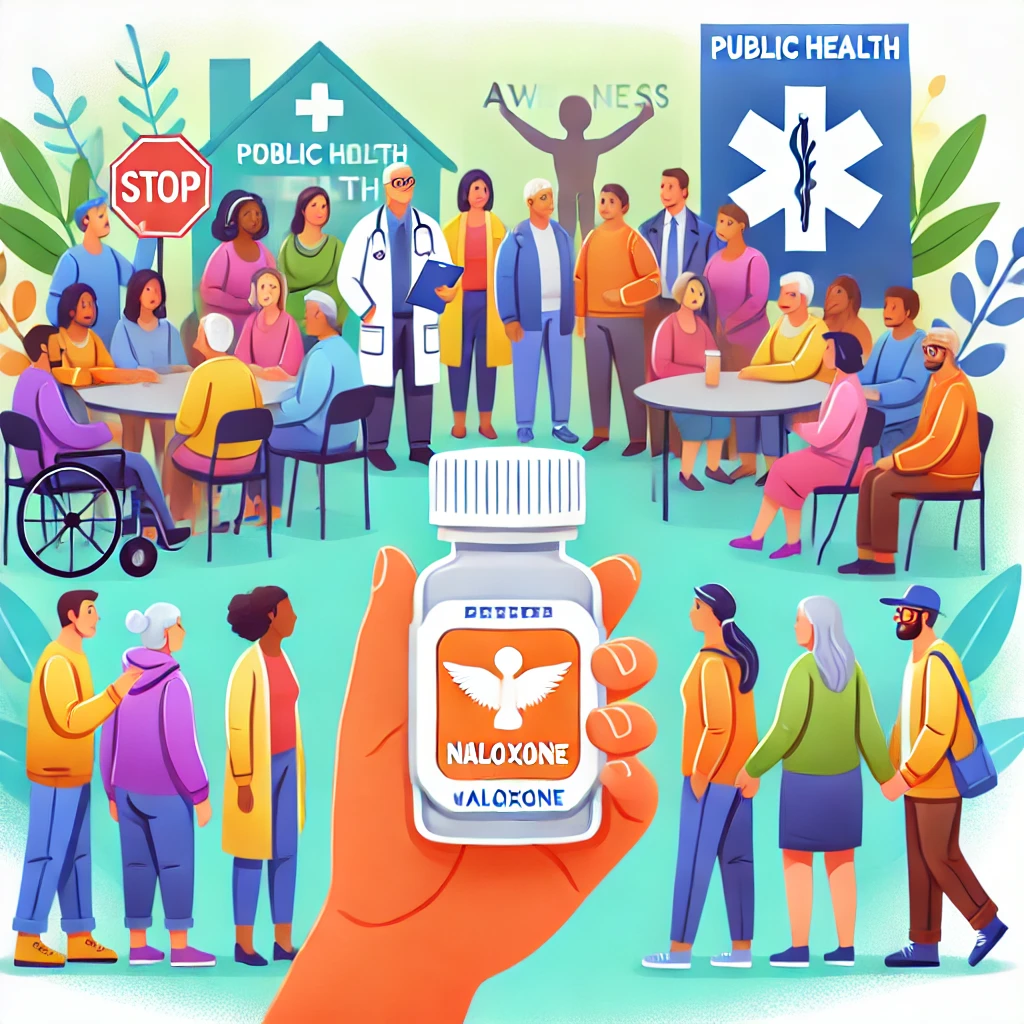
Opioid addiction has become a pressing crisis, affecting millions of individuals and families across the United States. What began as a medical solution for pain management has spiraled into an epidemic, with devastating consequences for individuals and communities. Despite its prevalence, opioid addiction is often misunderstood and stigmatized, making it difficult for those affected to seek help. This stigma must be broken, as opioid addiction is not merely a personal failing but a significant public health issue that requires comprehensive solutions.
The Scope of the Opioid Epidemic
The statistics surrounding opioid addiction are staggering. According to the Centers for Disease Control and Prevention (CDC), more than 75,000 people in the U.S. died from opioid-related overdoses in 2022 alone. These numbers highlight the urgent need to address this crisis, not just from a medical perspective but as a societal issue. The ripple effects of opioid addiction extend far beyond the individual, impacting families, communities, and the economy.
Why Stigma Persists
One of the primary barriers to addressing opioid addiction is the stigma associated with it. People struggling with opioid use disorder (OUD) are often labeled as weak, irresponsible, or morally flawed. This judgment prevents many from seeking the treatment they desperately need. It also perpetuates a cycle of shame and isolation, which can worsen addiction. Recognizing addiction as a medical condition rather than a character flaw is crucial to breaking down these barriers.
Opioid Addiction as a Public Health Issue
Treating opioid addiction as a public health issue involves addressing it through prevention, treatment, and community support. Public health initiatives focus on harm reduction strategies, such as distributing naloxone to reverse overdoses and implementing needle exchange programs to reduce the spread of infectious diseases. These efforts save lives and help mitigate the broader societal impacts of opioid addiction.
Additionally, public health campaigns aim to educate the public about the risks of opioid misuse and the importance of safe prescribing practices. By framing opioid addiction as a public health concern, we can shift the focus from punishment to prevention and recovery.
The Role of Policy and Treatment
Effective policies and treatment options are essential in tackling the opioid crisis. Medication-assisted treatment (MAT), which combines medications like methadone or buprenorphine with counseling and behavioral therapies, has proven highly effective in managing OUD. Expanding access to MAT and reducing the barriers to treatment can help more individuals achieve long-term recovery.
Policymakers must also prioritize funding for mental health and addiction services, including community-based programs that provide support for those in recovery. This holistic approach addresses the root causes of addiction, such as trauma, poverty, and lack of access to healthcare.
Breaking the Stigma
To break the stigma surrounding opioid addiction, we need to foster empathy and understanding. Personal stories of recovery can help humanize the issue and show that people can and do recover with the right support. Public figures and influencers who share their experiences can also play a significant role in changing perceptions.
Educational campaigns should emphasize that addiction is a chronic disease, much like diabetes or heart disease, that requires medical treatment and ongoing support. Communities can also play a crucial role by creating safe, judgment-free spaces for individuals to seek help and share their experiences.
Opioid addiction is a complex public health crisis that requires a multifaceted approach to address effectively. Breaking the stigma surrounding addiction is a vital step toward creating an environment where individuals feel empowered to seek help. By treating opioid addiction as a public health issue, we can promote recovery, save lives, and build healthier communities. It’s time to replace judgment with compassion and take collective action to combat this epidemic.
If you or a loved one are struggling with addiction or mental health issues, please give us a call today at 855-952-3546