How Common Are Party Drug Overdoses, and How Can They Be Prevented?
Party drugs are often associated with youthful rebellion and carefree fun, especially in social settings like concerts, clubs, and college parties. Unfortunately, the use of these substances—often seen as a way to enhance the party experience—can quickly lead to serious health risks. One of the most concerning outcomes is overdose, which has become a growing issue among people who use party drugs.
The Rising Threat of Party Drug Overdoses
Party drugs, including substances like ecstasy (MDMA), cocaine, ketamine, and synthetic drugs, are often used in an attempt to boost energy, enhance sensory experiences, or create a sense of euphoria. However, the reality is that many party drugs can be dangerous, especially when consumed in excess or mixed with other substances like alcohol.
According to the Centers for Disease Control and Prevention (CDC), overdose deaths related to synthetic opioids, which are often mixed with other illicit drugs, have seen a significant rise in recent years. In 2021 alone, nearly 107,000 people in the U.S. died from drug overdoses, and a portion of these deaths were linked to party drugs. MDMA, a popular party drug, is known to cause dehydration, heart failure, and severe overheating in high doses. Cocaine and ketamine, while less likely to cause fatal overdoses on their own, can still contribute to long-term health problems and dangerous side effects when abused.
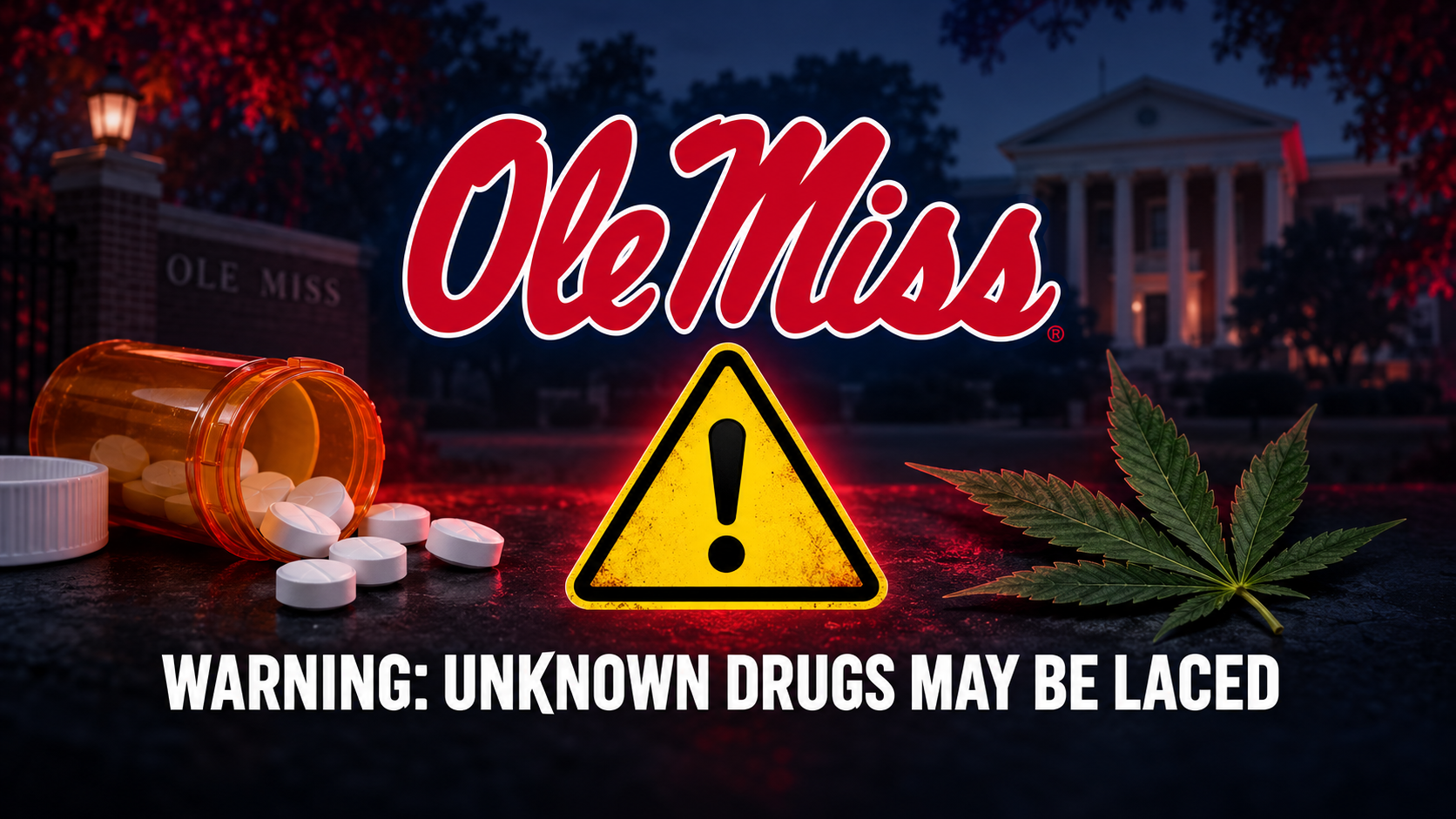
The danger is compounded by the fact that many people who take party drugs don’t know exactly what they’re consuming. A single dose could contain dangerous contaminants, like fentanyl, which has led to a rise in accidental overdoses. Fentanyl is 50 to 100 times more potent than morphine, and even a small amount can cause fatal respiratory depression. Unfortunately, it’s not always clear which drugs are mixed with what people purchase, making party drug use a risky gamble.
Prevention: How to Stay Safe
While the threat of party drug overdoses is real, there are ways to reduce the risk and increase awareness.
- Education is Key The first step in preventing overdoses is awareness. Education campaigns targeted at young people can inform them about the dangers of mixing substances and the risks associated with specific drugs. Understanding what drugs do to the body, and the potential for long-term damage, can deter some people from engaging in recreational drug use in the first place.
- Know the Signs of Overdose Being able to identify the signs of an overdose can be a life-saving skill. Common signs include confusion, vomiting, chest pain, seizures, or loss of consciousness. If someone is showing signs of an overdose, it’s critical to seek emergency medical help immediately. Time can be a life-saving factor, and prompt intervention can often prevent a fatal outcome.
- Don’t Mix Substances Many overdoses occur when partygoers mix drugs with alcohol or other substances, which can have unpredictable and dangerous effects on the body. Encouraging people not to mix substances is one of the simplest ways to reduce overdose risk. When someone is already under the influence of one drug, adding alcohol or another substance can amplify the negative effects, making it harder for the body to cope.
- Testing Kits and Harm Reduction In some places, harm reduction programs are helping to reduce the risk of overdose by providing drug testing kits to individuals before they use illicit substances. These kits allow people to check if their party drugs contain dangerous additives, like fentanyl, which could significantly increase the risk of an overdose. Additionally, some festivals and events have begun to implement harm-reduction practices, like providing free water and designated resting areas, to ensure people stay hydrated and are less likely to experience heatstroke or dehydration.
- Support Systems and Counseling If someone regularly uses party drugs, they may be at risk of developing a substance use disorder. Access to counseling, addiction treatment programs, and mental health resources can help those struggling with drug use find healthier coping mechanisms and make better choices. Encouraging people to seek professional help before their drug use becomes a problem can be a key factor in prevention.
While party drug overdoses are a serious and growing concern, understanding the risks and taking preventive measures can help save lives. Education, harm reduction, and knowing the signs of overdose are just a few of the tools that can reduce the chances of a fatal outcome. The more people understand the dangers associated with recreational drug use, the fewer lives will be lost to preventable overdoses.
If you or a loved one are struggling with addiction or mental health issues, please give us a call today at 855-952-3546