Dolphins in Gulf of Mexico Are Now Testing Positive For Fentanyl: A Startling New Threat to Marine Life
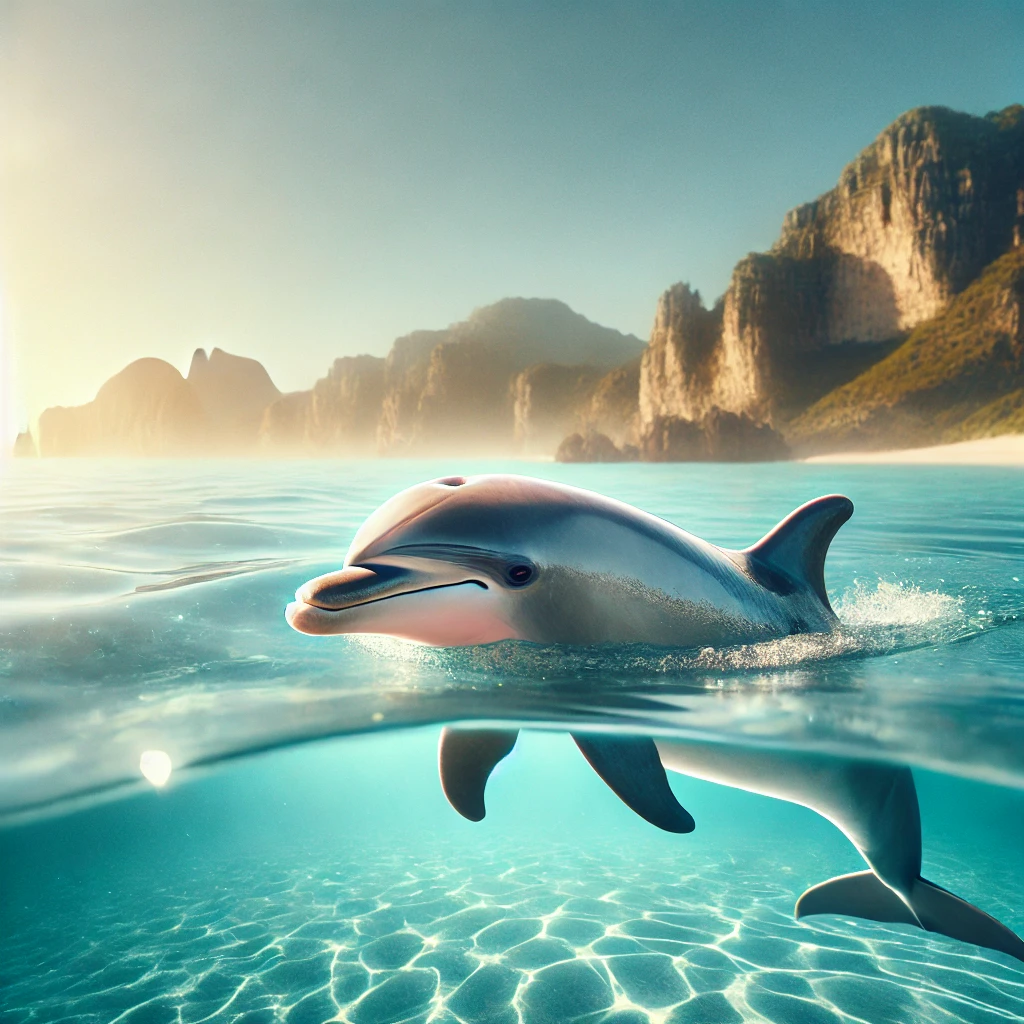
The Gulf of Mexico, known for its rich biodiversity and scenic beauty, is facing an unprecedented environmental challenge. Dolphins in the region are now testing positive for fentanyl, a synthetic opioid that has ravaged human populations across the United States. This alarming development has raised serious concerns about the impact of fentanyl on marine life, the ecosystem, and the broader environment.
The Discovery
Researchers have recently detected traces of fentanyl in the urine and tissues of dolphins in the Gulf of Mexico. This discovery was made during routine marine life monitoring programs that track the health and well-being of marine animals. Dolphins, being at the top of the food chain in marine ecosystems, are often studied to assess the overall health of the environment. The presence of fentanyl in their systems suggests a larger, more troubling issue of contamination that could potentially affect the entire marine ecosystem.
Fentanyl, which is often mixed with other drugs and transported illicitly, has become one of the deadliest drugs in the United States. Its widespread use in human drug overdoses has prompted efforts to combat its distribution. However, its reach appears to be expanding into areas beyond human use, raising concerns about its impact on wildlife.
How Fentanyl Gets Into the Marine Ecosystem
The path by which fentanyl is entering the marine environment is still under investigation, but experts believe there are several possible routes. One potential source is runoff from land, where fentanyl and other drugs can enter the water systems after being discarded or improperly disposed of. Additionally, wastewater treatment plants, which may not be equipped to filter out such synthetic substances, could be contributing to the contamination.
Moreover, fentanyl could also be entering the ocean from ships or boats, either as part of illegal drug shipments or as discarded waste. Dolphins, along with other marine life, can ingest small particles or contaminants from the water while feeding, inadvertently absorbing harmful substances like fentanyl.
The Impact on Dolphins and Marine Life
Dolphins are particularly vulnerable to the effects of fentanyl due to their sophisticated biology and their dependence on healthy, uncontaminated food sources. The drug affects the brain’s opioid receptors, and while this is well-documented in humans, its effects on marine animals are still being studied. It’s suspected that fentanyl could lead to neurological impairments, behavioral changes, and even death in dolphins. This could disrupt their communication, navigation, and ability to hunt, ultimately threatening their survival.
Furthermore, the potential for fentanyl to accumulate in marine food chains is concerning. As dolphins and other marine mammals feed on smaller fish and invertebrates, any fentanyl present in these creatures could be transferred up the food chain. This could have long-term consequences not only for marine species but also for human communities that rely on seafood as a primary food source.
What Can Be Done?
The discovery of fentanyl in dolphins is a wake-up call for environmental protection and drug control efforts. In order to protect marine life and the health of the Gulf ecosystem, stronger measures need to be put in place to limit the entry of toxic substances into the ocean. This includes more advanced filtration and waste treatment systems, as well as stricter regulations around the disposal of hazardous substances.
Additionally, greater emphasis should be placed on monitoring marine life for signs of drug contamination. Marine biologists and environmentalists should work together to track and understand how substances like fentanyl enter ecosystems, in order to develop better strategies for protecting wildlife.
The Bigger Picture
While fentanyl’s impact on dolphins in the Gulf of Mexico is a striking example, it is part of a larger, more complex issue of pollution and human activity affecting wildlife. Drugs like fentanyl are just one of many chemicals that are finding their way into the oceans, and the repercussions could be felt across the globe.
As awareness grows about this issue, it is crucial that both environmentalists and policymakers address the interconnectedness of drug abuse, environmental contamination, and the health of our oceans. The health of marine life, including dolphins, is a direct reflection of the state of our planet. Efforts to reduce pollution and mitigate the spread of dangerous substances are essential for the survival of both humans and marine life alike.
In conclusion, the fact that dolphins in the Gulf of Mexico are now testing positive for fentanyl is a deeply concerning development that highlights the broader environmental challenges posed by the drug epidemic. As we continue to fight the opioid crisis on land, it’s clear that we must also consider its impact on the natural world. The oceans, home to some of the planet’s most iconic species, deserve the same attention and care that we give to the land.
If you or a loved one are struggling with addiction or mental health issues, please give us a call today at 855-952-3546