The Dangers of Fentanyl in College Towns: A Growing Crisis
The college experience is often celebrated as a time of learning, independence, and exploration. However, for many students, the pressures of academics, social life, and personal challenges can lead to risky behaviors, including experimentation with drugs. Unfortunately, college towns across the United States have become hotbeds for a silent killer: fentanyl. This powerful synthetic opioid is now the leading cause of overdose deaths among young adults, including students in higher education.
What is Fentanyl?
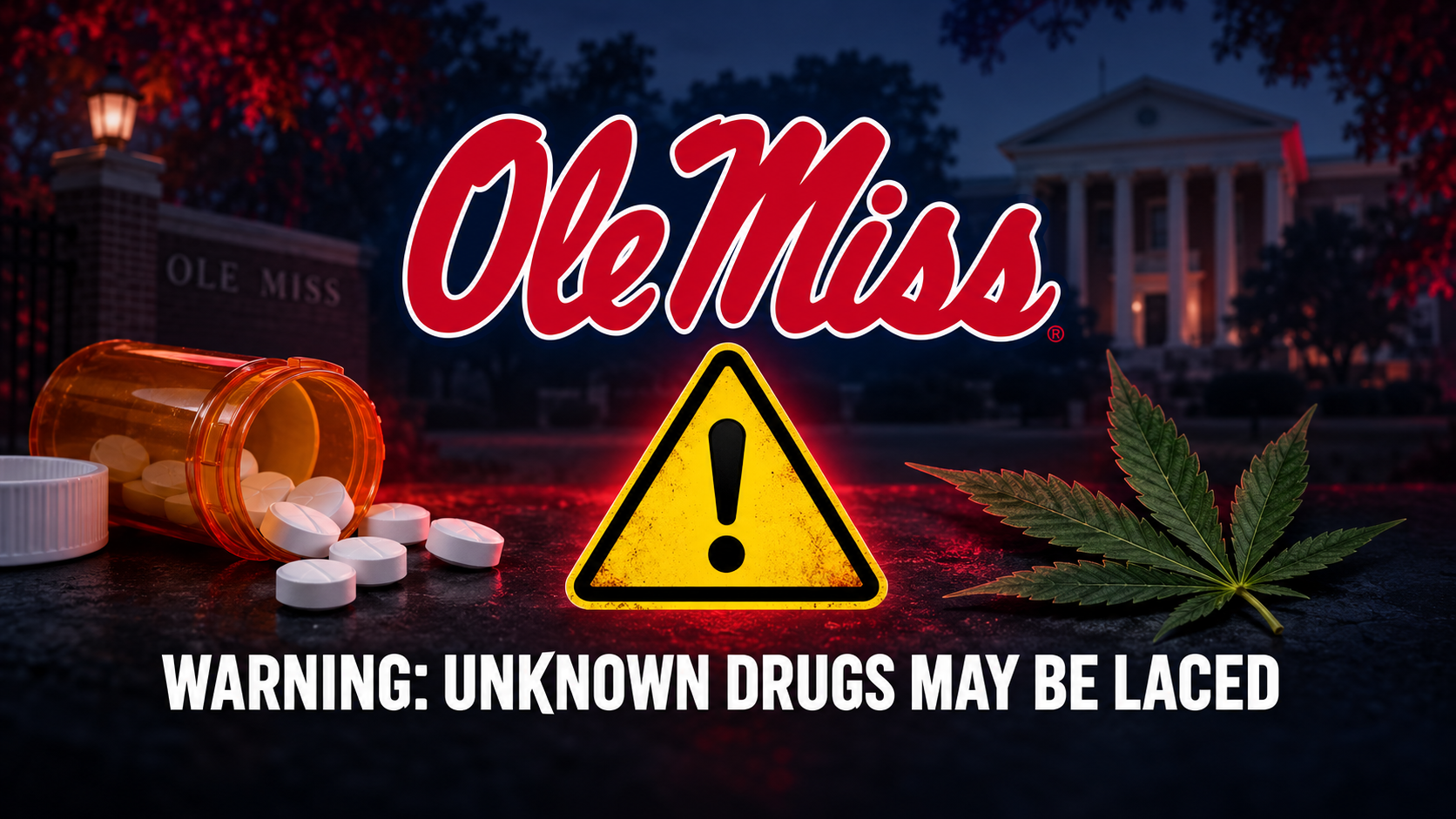
Fentanyl is a synthetic opioid up to 50 times more potent than heroin and 100 times more potent than morphine. While it has legitimate medical uses, such as treating severe pain, its illicit use has skyrocketed in recent years. A minuscule amount—equivalent to just a few grains of sand—can cause an overdose. Its potency makes it extremely dangerous, especially when laced into other drugs like cocaine, MDMA, or counterfeit prescription pills, often without the user’s knowledge.
The Alarming Trend in College Towns
College towns, often bustling with youthful energy and experimentation, have become ground zero for the fentanyl crisis. According to recent studies, overdoses among people aged 18 to 24 have increased by over 50% in the past decade, with fentanyl accounting for a significant proportion. The drug is often mixed with recreational substances, catching unsuspecting students off guard.
The accessibility of drugs in college settings, coupled with the lack of awareness about fentanyl’s dangers, creates a perfect storm. Dealers in college towns may promote their products as “safe,” only for students to unknowingly consume lethal doses.
Why College Students are at Risk
Several factors make college students particularly vulnerable to the dangers of fentanyl:
- Social Pressure: Many students feel compelled to experiment with substances to fit in or alleviate stress.
- Ignorance: A significant number of users are unaware of the prevalence of fentanyl in the drug supply.
- Increased Availability: College campuses often see a higher concentration of recreational drug use, making access easier.
- False Security: Students often trust their source or assume that a drug in pill form is “safe,” not realizing it could be counterfeit and laced with fentanyl.
The Consequences of Fentanyl Use
The consequences of fentanyl exposure are devastating. Even a tiny amount can lead to respiratory failure and death within minutes. Survivors of fentanyl overdoses may face long-term health complications, including brain damage due to oxygen deprivation.
The psychological toll is equally heavy. Peers and family members of overdose victims often grapple with profound grief and guilt. Entire campus communities can be shaken by the loss of a student, highlighting the urgent need for education and preventive measures.
Prevention and Awareness: What Can Be Done?
Combatting the fentanyl crisis in college towns requires a multi-faceted approach:
- Education Campaigns: Universities must implement programs to inform students about the risks of fentanyl and the prevalence of laced drugs.
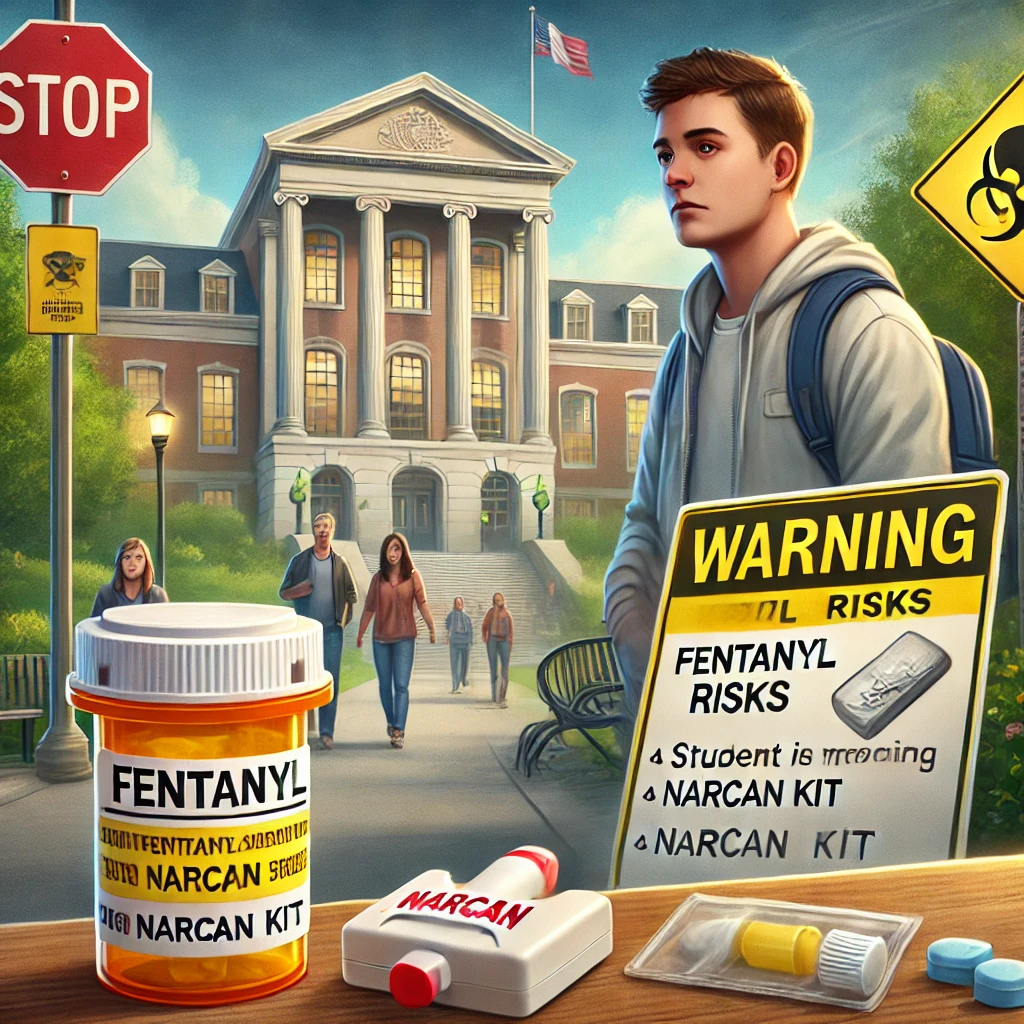
- Access to Narcan: Narcan (naloxone) can reverse the effects of an opioid overdose if administered in time. Campuses should ensure that students, staff, and public safety officers are equipped and trained to use it.
- Drug Testing Kits: Fentanyl testing strips can help users identify if a substance is laced. While not a solution to drug use, they can save lives.
- Counseling Services: Providing students with mental health resources can reduce the likelihood of turning to drugs as a coping mechanism.
- Stronger Community Action: Law enforcement and local organizations must collaborate to disrupt the flow of fentanyl into college towns.
A Call to Action
The fentanyl crisis in college towns is a wake-up call. Students, parents, educators, and community leaders must come together to address this growing threat. The loss of even one life is too many. By prioritizing education, prevention, and support, we can safeguard the futures of young adults and turn the tide against this deadly epidemic.