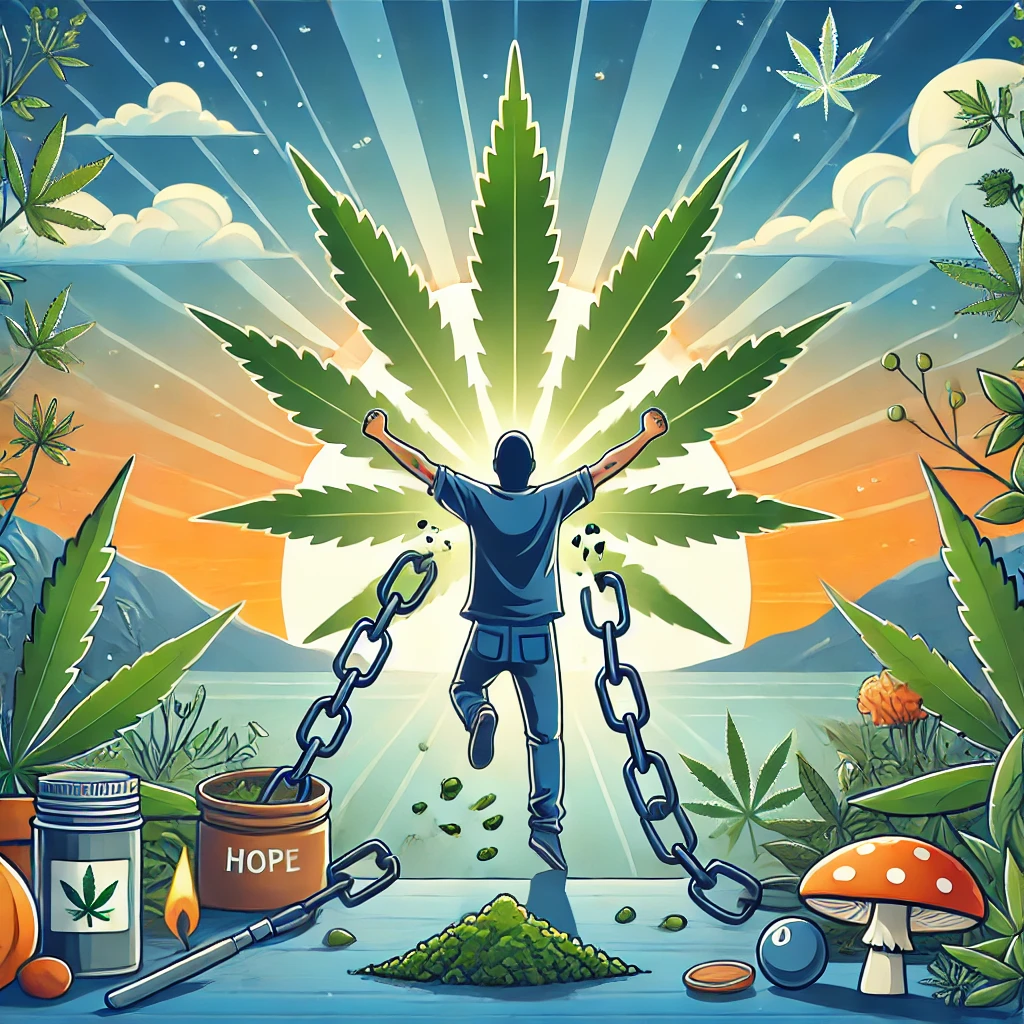
Smoking weed can seem like a harmless habit, especially when it’s often portrayed as a way to relax or connect socially. However, for some, it can turn into a dependency that affects their personal and professional lives. If you’re ready to stop smoking weed, this guide will provide you with actionable steps to help you achieve your goal.
Understanding Your Motivation
The first step to quitting is understanding why you want to stop. Are you concerned about your mental health, physical well-being, finances, or relationships? Writing down your reasons can serve as a powerful reminder when you feel tempted to smoke again.
Tip: Keep a journal to track your thoughts and progress. Reflect on the benefits you’ll gain by quitting.
Recognize the Signs of Dependence
Before you quit, it’s essential to understand your current relationship with weed. Signs of dependence may include:
- Using it to cope with stress or emotions.
- Neglecting responsibilities due to usage.
- Experiencing withdrawal symptoms like irritability or insomnia when not using.
By acknowledging the role weed plays in your life, you can better strategize on how to remove it.
Set Clear Goals
Decide whether you want to quit cold turkey or gradually reduce your usage. Both methods can be effective, but your choice should align with your lifestyle and comfort level.
Cold Turkey Approach: Stopping all at once can be challenging but is suitable for those ready to make an immediate change.
Gradual Reduction: Cutting back slowly allows your body and mind to adjust, potentially reducing withdrawal symptoms.
Replace the Habit
One of the reasons people struggle to quit is the habit of smoking itself. Replace this routine with healthier alternatives:
- Exercise: Physical activity releases endorphins, boosting your mood and helping reduce cravings.
- Meditation or Yoga: These practices help manage stress and improve mindfulness.
- Hobbies: Engage in creative outlets like painting, music, or gardening to redirect your focus.
Tip: Keep your hands busy. Try stress balls or fidget tools if you’re used to handling a joint or pipe.
Build a Support System
Quitting weed can feel isolating, but you don’t have to do it alone. Surround yourself with supportive friends or family members who respect your decision. Consider joining support groups, either in-person or online, where you can share your experiences and learn from others.
Resources: Groups like Marijuana Anonymous (MA) provide a safe space for individuals seeking help.
Tackle Triggers
Identify situations, people, or environments that make you want to smoke. Common triggers include:
- Being around others who smoke.
- Stressful situations.
- Boredom or idle time.
Once identified, create a plan to avoid or manage these triggers. For example, if stress is a major trigger, practice deep breathing or go for a walk instead of reaching for weed.
Manage Withdrawal Symptoms
Withdrawal symptoms can include irritability, anxiety, insomnia, and cravings. These are normal but temporary. To ease the process:
- Stay Hydrated: Drink plenty of water to flush toxins out of your system.
- Eat Nutritious Foods: A healthy diet supports your body during detox.
- Get Adequate Sleep: Establish a consistent sleep routine to help your body recover.
Tip: Consult a healthcare professional if withdrawal symptoms feel unmanageable. They can provide guidance or recommend treatment options.
Seek Professional Help
If quitting feels overwhelming, consider reaching out to a therapist or counselor specializing in substance use. Cognitive Behavioral Therapy (CBT) can help you understand and change the thought patterns associated with weed use.
In severe cases, rehab centers like Eternal Purpose Recovery offer tailored programs for quitting marijuana and other substances.
Celebrate Your Progress
Quitting is a journey, and every small win counts. Celebrate milestones like a week, a month, or a year without smoking. Rewards can motivate you to keep going.
Quitting weed isn’t easy, but it’s entirely possible with the right mindset, tools, and support. Whether you choose to quit on your own or seek professional help, taking this step is a sign of strength and self-care. Remember, it’s about progress, not perfection.
Take control of your future today and embrace the benefits of a weed-free life.
If you or a loved one are struggling with addiction or mental health issues, please give us a call today at 855-952-3546