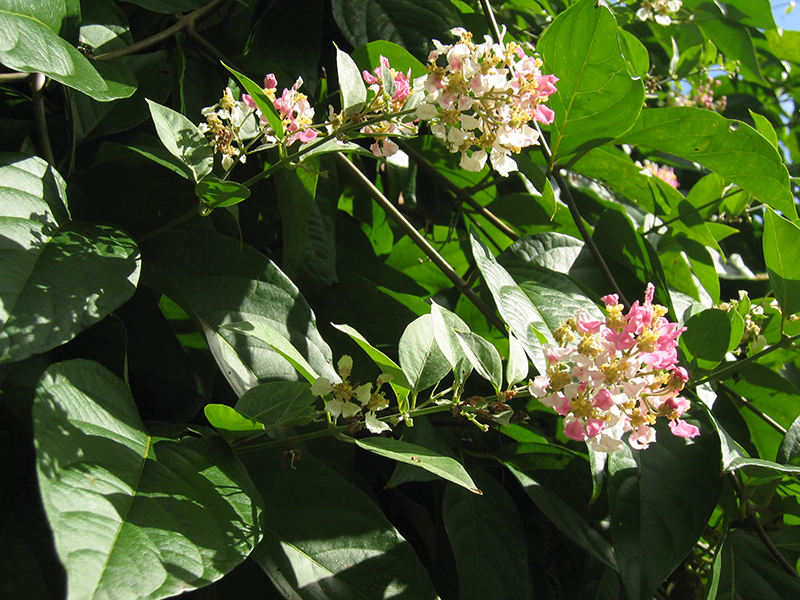
Banisteriopsis caapi, often called “caapi” or “ayahuasca vine,” is a plant from the Amazon rainforest. It’s a key ingredient in ayahuasca, a traditional brew used by indigenous tribes for spiritual ceremonies. In recent years, people worldwide have become interested in ayahuasca for its potential mental health benefits and spiritual experiences. This growing interest has led to questions about the legality of importing Banisteriopsis caapi.
Understanding Banisteriopsis caapi
Banisteriopsis caapi is a vine that contains harmala alkaloids, which are natural compounds affecting the brain. When combined with other plants, like Psychotria viridis, it creates ayahuasca, known for its strong psychoactive effects. These effects have made ayahuasca both intriguing and controversial.
Legal Status in the United States
In the U.S., the legal status of Banisteriopsis caapi is complex. The plant itself isn’t specifically listed as illegal. However, ayahuasca contains DMT (dimethyltryptamine), a substance classified as a Schedule I drug under the Controlled Substances Act. This classification means DMT is illegal to possess, distribute, or use.
Since Banisteriopsis caapi is a primary component of ayahuasca, importing it can raise legal concerns. Even though the vine alone doesn’t contain DMT, authorities may view its importation as intended for making ayahuasca, which is illegal due to its DMT content. There have been instances where individuals faced legal issues for importing caapi, as it was suspected they planned to produce ayahuasca.
Religious Exemptions
Some religious groups have received legal exemptions to use ayahuasca in their ceremonies. For example, in 2006, the U.S. Supreme Court allowed the União do Vegetal (UDV) church to use ayahuasca for religious purposes. These exemptions are specific and don’t apply to the general public. Therefore, unless you’re part of a recognized religious group with such an exemption, importing Banisteriopsis caapi can lead to legal complications.
International Perspective
The legal status of Banisteriopsis caapi varies worldwide. In countries like Brazil and Peru, where ayahuasca has deep cultural roots, the use of the vine and the brew is legal and culturally accepted. However, in many other countries, the legal status is unclear or restrictive. It’s essential to research and understand the laws of your country before considering importing or using Banisteriopsis caapi.
Potential Risks
Importing Banisteriopsis caapi without proper authorization can lead to serious legal consequences, including fines and imprisonment. Additionally, using ayahuasca without proper guidance can pose health risks. The brew can cause intense psychological experiences that may not be suitable for everyone. It’s crucial to approach such substances with caution and respect.
While Banisteriopsis caapi itself isn’t explicitly illegal in many places, its association with ayahuasca and DMT makes its importation a legal gray area. In the United States, importing the vine can lead to legal issues due to its potential use in producing ayahuasca, which contains the controlled substance DMT. Before considering importing or using Banisteriopsis caapi, it’s vital to understand the legal implications and potential risks involved. Always consult legal experts and approach such matters with caution and respect for the laws of your country.
If you or a loved one are struggling with addiction or mental health issues, please give us a call today at 855-952-3546