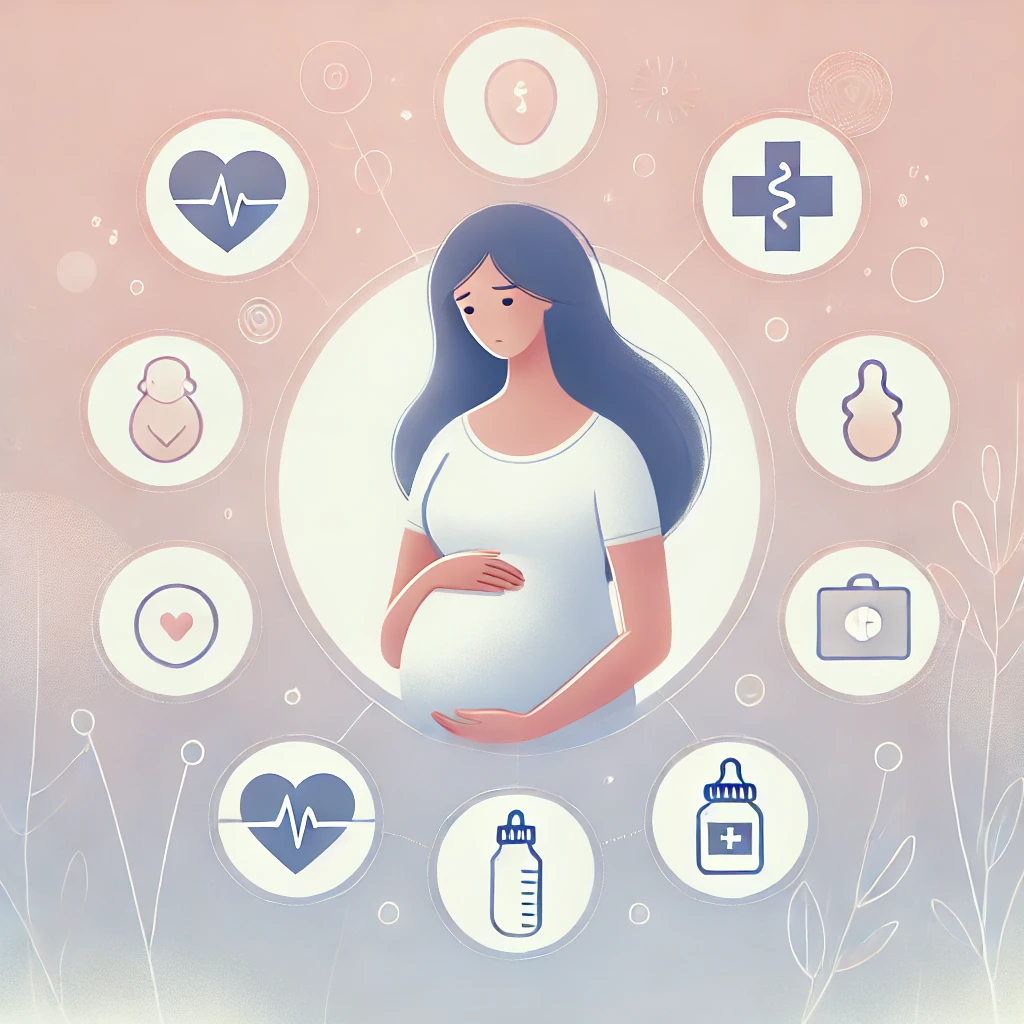
Pregnancy is a critical time for a baby’s development, and it’s essential for expecting mothers to stay as healthy as possible. Using drugs like cocaine can have serious consequences for both the mother and the baby. In this blog, we’ll go over the main risks associated with using cocaine while pregnant, as well as some ways to seek help.
How Cocaine Affects Pregnancy
Cocaine is a powerful stimulant drug that can impact the body in many ways. For a pregnant woman, the drug’s effects are even more serious because it can also affect her developing baby. When a pregnant woman uses cocaine, it enters her bloodstream and crosses the placenta, reaching the baby. This means that cocaine can directly impact the baby’s health.
Key Risks to the Baby
- Premature Birth
Babies born to mothers who use cocaine are at a much higher risk of being born early. Premature birth can lead to a number of health complications because the baby may not be fully developed. This can result in difficulties with breathing, feeding, and even growth. Premature babies often need to spend time in the neonatal intensive care unit (NICU) to receive special medical care. - Low Birth Weight
Cocaine use can cause babies to be born with a lower-than-normal birth weight. Low birth weight is associated with several health issues, including an increased risk of infections, difficulty keeping warm, and trouble feeding. Babies born with low birth weight may also face health problems as they grow. - Birth Defects
Cocaine use during pregnancy can increase the chances of certain birth defects. These can include issues with the heart, brain, and even the baby’s limbs. The risk of birth defects is higher if cocaine is used in the first trimester when the baby’s organs are forming. - Developmental Problems
Even after birth, babies who were exposed to cocaine in the womb may face developmental challenges. They may struggle with attention, learning, and behavior. Some studies show that these children may have a higher risk of ADHD (Attention-Deficit/Hyperactivity Disorder) or learning disabilities as they grow up. - Sudden Infant Death Syndrome (SIDS)
Babies exposed to cocaine in the womb have a higher risk of sudden infant death syndrome, also known as SIDS. This is when an infant suddenly and unexpectedly dies, usually while sleeping. It’s a tragic condition, and cocaine exposure increases this risk.
Risks for the Mother
Using cocaine while pregnant doesn’t only put the baby at risk—it’s also dangerous for the mother. Some risks include:
- High Blood Pressure
Cocaine can cause blood pressure to spike, which can lead to a condition called preeclampsia. Preeclampsia is dangerous for both the mother and the baby, as it can cause seizures and other serious complications if not treated. - Placental Abruption
Cocaine use increases the risk of a condition called placental abruption, where the placenta separates from the uterus too early. This can cause heavy bleeding, which is dangerous for both the mother and the baby. - Heart Problems
Cocaine puts stress on the heart, which can lead to heart attacks or other heart issues. This is dangerous for anyone, but especially for pregnant women, as the heart is already working harder than usual to support both mother and baby.
Seeking Help
If you or someone you know is pregnant and struggling with cocaine use, it’s important to seek help. Many treatment programs can support pregnant women and help them quit cocaine safely. Treatment options include therapy, counseling, and support groups. Talking to a healthcare provider is a good first step—they can provide guidance and recommend safe options for quitting.
Final Thoughts
Using cocaine during pregnancy is risky for both the mother and her baby. The best choice for both is to avoid cocaine altogether and focus on a healthy lifestyle during pregnancy. If quitting is challenging, remember that help is available, and reaching out can make a significant difference.
Taking care of yourself during pregnancy is one of the best ways to ensure your baby is born healthy and has the best start in life.
If you or a loved one are struggling with addiction or mental health issues, please give us a call today at 855-952-3546