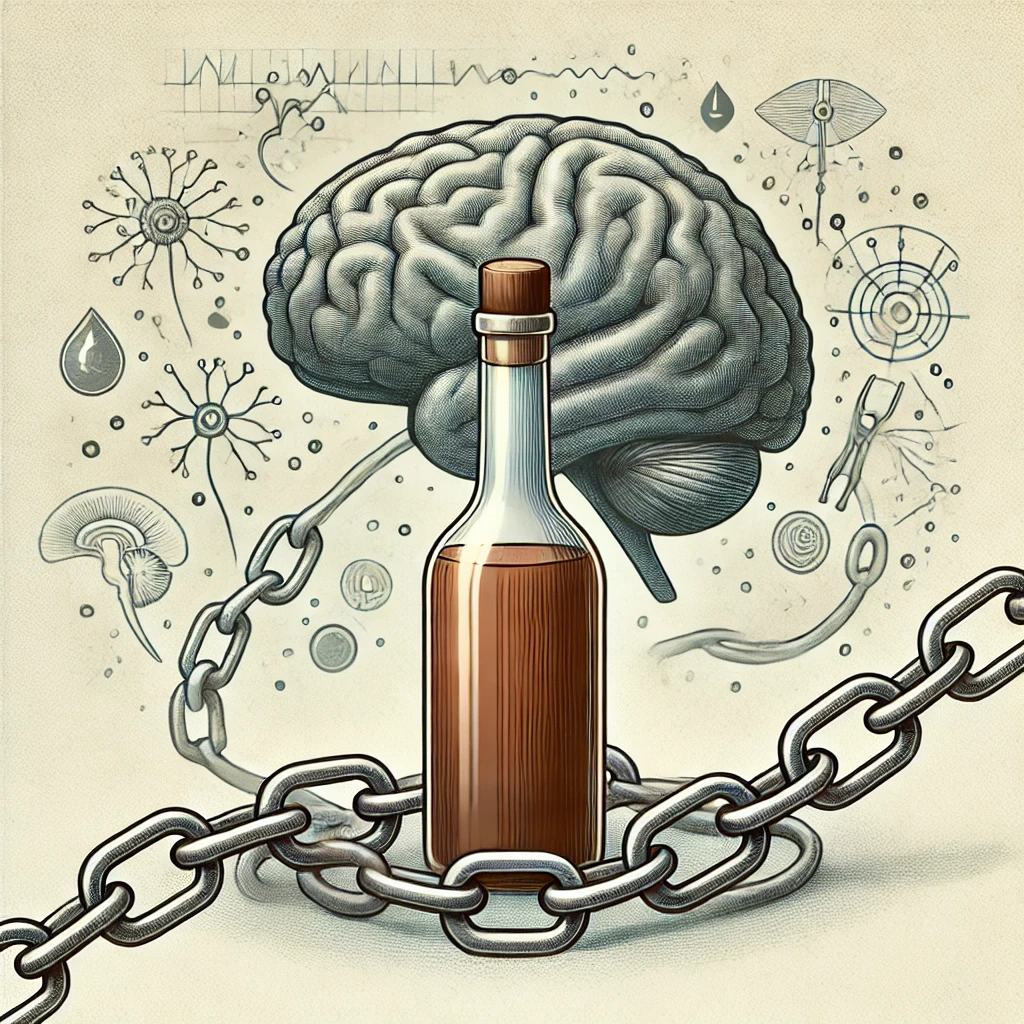
Alcohol can be a powerful part of social gatherings and celebrations, but for some, it becomes an addiction that’s hard to break. Why does this happen? Let’s explore the reasons behind alcohol’s addictive grip in a simple and easy-to-understand way.
1. How Alcohol Affects the Brain
When you drink alcohol, it doesn’t just stay in your stomach. It enters your bloodstream and quickly reaches your brain. There, it interacts with chemicals that play a big role in your emotions, energy, and well-being. Alcohol especially affects a neurotransmitter called dopamine.
Dopamine is known as the “feel-good” chemical. It’s released in the brain when you do something enjoyable, like eating delicious food or achieving a goal. When alcohol enters the picture, it tricks the brain into releasing more dopamine than usual, giving you a temporary feeling of pleasure and relaxation. This “reward” makes you want to keep drinking to feel good again.
2. Tolerance and Dependence: How the Body Adjusts
Over time, the brain starts to change in response to regular drinking. You may need to drink more to feel the same effect—a process called tolerance. Your brain and body get used to alcohol, and the initial feeling of pleasure becomes harder to achieve. This is why someone who drinks regularly might need more alcohol over time to get the same effect they used to with less.
As tolerance builds, your body may also become dependent on alcohol. This means that when you stop drinking, your body struggles to adjust, causing withdrawal symptoms like anxiety, shaking, and sweating. This makes it harder to quit and increases the likelihood of returning to alcohol to avoid these unpleasant feelings.
3. Alcohol and Emotions: A Cycle of Escape
For some people, alcohol becomes a way to cope with difficult emotions or stress. Drinking can temporarily numb feelings like sadness, loneliness, or anxiety, making it a quick escape from these problems. However, this relief is short-lived and can lead to a cycle of drinking to feel better, even if it eventually makes things worse.
This cycle is particularly dangerous because it creates a psychological dependence on alcohol, making it not just a physical craving but also a mental one. As someone relies more on alcohol to manage emotions, it becomes a habit that’s hard to break, even when they know it’s causing harm.
4. Genetics and Risk Factors
Genetics also play a big role in whether someone becomes addicted to alcohol. If your parents or other close family members struggled with addiction, you might be more likely to face similar challenges. Scientists have found certain genes that affect how alcohol feels to the brain and body, making some people more prone to addiction than others.
Environment matters, too. Growing up around people who drink often or dealing with stress, trauma, or mental health issues can increase the risk of alcohol addiction. It’s a combination of genes and life experiences that makes each person’s relationship with alcohol unique.
5. The Slippery Slope of Habit Formation
Habits form when you repeat a behavior over and over, and drinking alcohol can become a habit quickly because of how it affects the brain. The brain starts to associate drinking with pleasure, relief, or relaxation, making it a “go-to” solution for many situations. Over time, drinking might become a reflex, a habit that’s hard to stop, even if you want to.
Understanding and Breaking Free
Alcohol addiction isn’t just a lack of willpower—it’s a complex mix of physical, mental, and emotional factors. Understanding why alcohol is addictive can help those struggling see it as a serious condition that often requires support to overcome.
For anyone dealing with this addiction, reaching out for help can be a powerful first step. Treatment centers, support groups, and counseling can all provide tools to break the cycle, learn healthier coping skills, and find a path to recovery.
If you or a loved one are struggling with addiction or mental health issues, please give us a call today at 855-952-3546