Opioids are powerful drugs prescribed for pain relief but can also be highly addictive. While they provide essential relief for people dealing with severe pain, understanding how long they stay in the body is essential for both safety and recovery. In this article, we’ll break down how opioids work in the body, their detection time, and factors that affect how long they remain in the system.
What Are Opioids, and How Do They Work?
Opioids include drugs like oxycodone, hydrocodone, morphine, and fentanyl, along with illegal substances like heroin. These drugs work by attaching to opioid receptors in the brain, reducing pain and often causing a sense of euphoria. This effect is why opioids are prescribed for pain but also why they carry a risk of misuse and addiction.
Opioids can remain in your system for varying amounts of time depending on the drug type, the amount taken, and individual health factors. Generally, opioids can be detected in the body for hours to several days after the last dose.
How Long Do Opioids Stay in Your System?
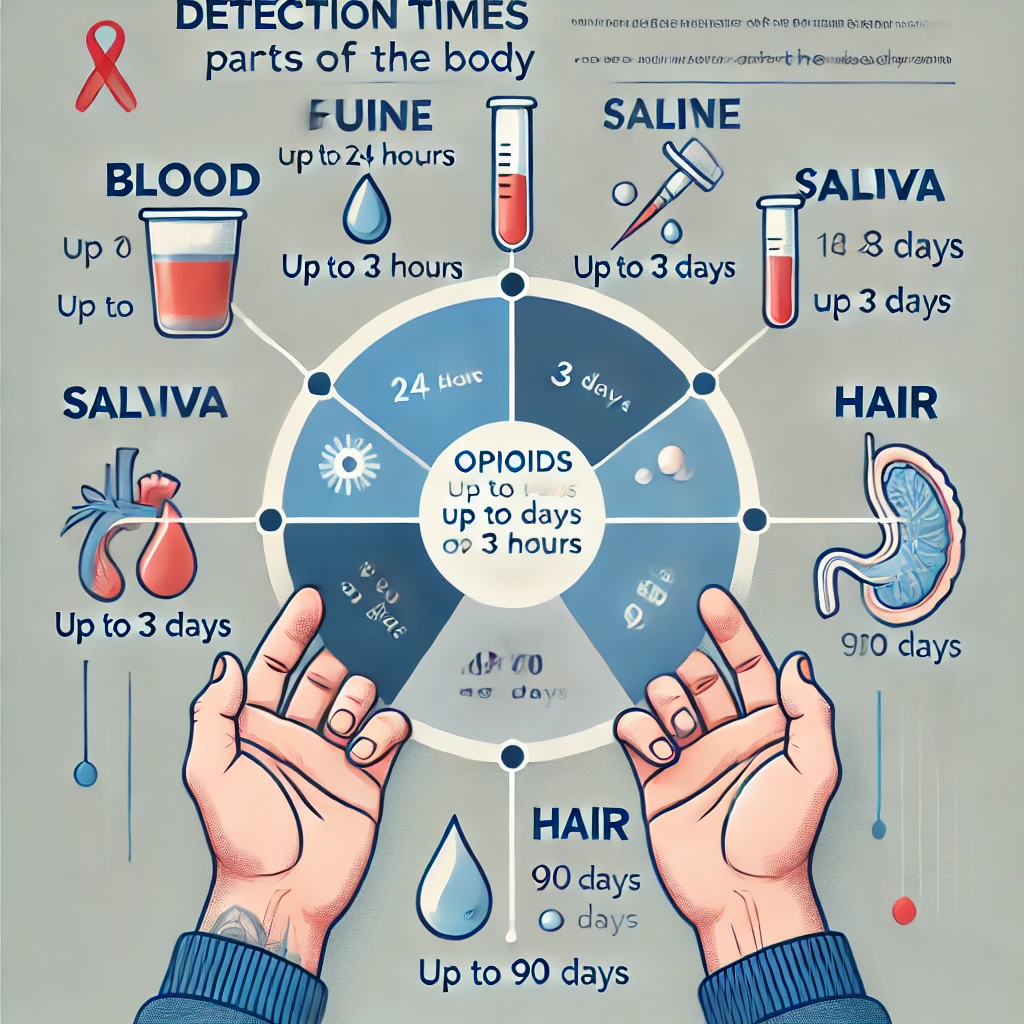
- Blood: Opioids are detectable in the blood within minutes after ingestion and usually remain for up to 24 hours, depending on the specific opioid and dosage.
- Urine: Urine tests are common for detecting opioids, as they remain detectable for longer periods. Typically, opioids can be detected in urine for up to 3 days. However, some opioids, like methadone, can be detected for a week or more due to their longer half-life.
- Saliva: Saliva tests can detect opioids within minutes of use and usually up to 48 hours after the last dose. These tests are less common but can be useful for immediate detection.
- Hair: Hair tests have the longest detection window and can identify opioid use for up to 90 days after the last dose. Hair tests are typically used in cases requiring a long-term history of drug use.
Factors Affecting Opioid Detection Time
Several factors can influence how long opioids stay in the system:
- Metabolism: A person’s metabolism plays a significant role. People with faster metabolisms tend to process drugs more quickly, resulting in shorter detection times.
- Age: Older adults generally process drugs more slowly than younger people, potentially leading to a longer presence of opioids in the body.
- Body Fat and Weight: Opioids are fat-soluble, meaning they can accumulate in body fat. People with higher body fat percentages might retain opioids longer.
- Liver and Kidney Health: The liver and kidneys are responsible for processing and eliminating drugs from the body. Impaired liver or kidney function can slow down the elimination of opioids, extending their detection period.
- Dosage and Frequency: Higher doses and frequent use will result in opioids staying longer in the body. For example, someone who uses opioids daily or in large amounts may have a longer detection window than an occasional user.
Why Knowing Detection Times Is Important
Understanding opioid detection times is crucial for a few reasons:
- Health and Safety: Knowing how long opioids stay in the body can help prevent accidental overdose, especially if someone is prescribed multiple medications that may interact.
- Employment and Legal Reasons: Many workplaces conduct routine drug testing, and opioids can show up even days after the last use. This can be essential for individuals required to pass drug tests for work or legal obligations.
- Recovery and Treatment: For those in recovery or undergoing treatment, understanding how long opioids are detectable can be valuable for tracking progress and adhering to treatment protocols.
Seeking Help and Support
Opioid addiction is a serious condition that affects many people. If you or someone you know is struggling with opioid use, it’s essential to seek professional help. Treatment options, like detoxification programs and counseling, are available to help individuals manage withdrawal symptoms and achieve recovery.
Final Thoughts
Opioids can remain in the system for hours to days, depending on various factors, and knowing their detection times can be important for health, safety, and compliance reasons. If you’re taking opioids as prescribed, following your doctor’s guidance can help you avoid potential issues. And if you’re struggling with opioid use, remember that help is available, and recovery is possible.
If you or a loved one are struggling with addiction or mental health issues, please give us a call today at 855-952-3546