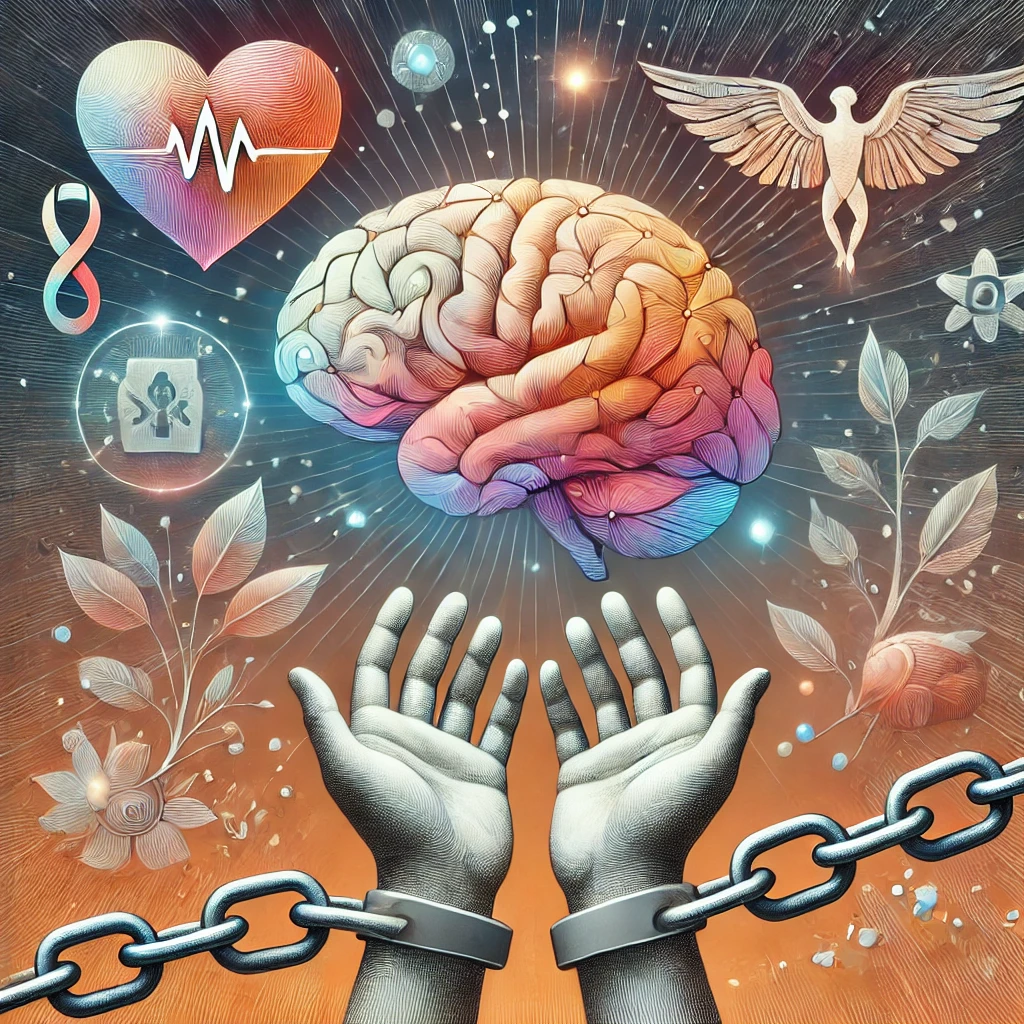
Addiction has long been viewed through a lens of personal failure or moral weakness, but modern behavioral health science offers a fresh perspective. Addiction is now recognized as a complex behavioral health condition, encompassing both psychological and physical components. This shift in understanding moves the conversation away from blame and toward treatment, healing, and long-term recovery.
What is Behavioral Health?
To grasp how addiction fits into the realm of behavioral health, it’s essential to understand what behavioral health is. Behavioral health refers to how our behaviors impact our mental and physical well-being. It covers a wide range of issues, including mental health disorders, substance use, eating disorders, and even lifestyle choices like smoking or poor dietary habits.
Addiction, therefore, falls squarely within the scope of behavioral health. It’s a behavior—a repeated, compulsive act—that has a detrimental effect on a person’s life. Whether it’s substance addiction or behavioral addictions like gambling, understanding addiction through a behavioral health lens highlights the importance of addressing the underlying causes rather than simply treating the symptoms.
The Behavioral Aspect of Addiction
Addiction is much more than a physical dependence on substances. It involves a pattern of behavior, often triggered by mental health issues such as stress, anxiety, or trauma. Many individuals begin using substances as a coping mechanism for these emotional struggles. Over time, what starts as a seemingly harmless relief becomes a deeply ingrained behavior, leading to physical and psychological dependency.
This is why addiction is closely linked with behavioral health. The use of drugs, alcohol, or engaging in compulsive behaviors is often a way to self-soothe or escape from emotional pain. Behavioral health professionals help individuals identify and address the root causes of these behaviors, offering a path to recovery that addresses the entire person—not just the addiction itself.
The Science Behind Addiction
Addiction doesn’t just affect the body; it profoundly impacts the brain. When a person consumes a substance such as alcohol or drugs, the brain’s reward system is activated, releasing dopamine—a chemical associated with pleasure. Over time, the brain adapts to these substances, requiring larger amounts to achieve the same “high.” This physical change makes it difficult to stop using without experiencing withdrawal symptoms.
However, addiction is also shaped by behavioral and emotional factors. For instance, someone might drink to manage feelings of depression, use drugs to avoid trauma, or turn to gambling to relieve anxiety. Over time, these behaviors become automatic responses to stress, making addiction not just a physical condition but a deeply rooted behavioral issue as well.
Treating Addiction as a Behavioral Health Issue
Given the behavioral nature of addiction, it’s essential to treat it as a behavioral health issue for effective recovery. Behavioral therapies like Cognitive Behavioral Therapy (CBT) and Dialectical Behavior Therapy (DBT) are frequently used in addiction treatment. These therapies help individuals identify unhealthy behaviors, thought patterns, and emotional triggers, providing them with healthier coping strategies.
In many cases, addiction treatment involves a combination of behavioral therapy and medication. While medication can help manage cravings and withdrawal symptoms, therapy is critical for addressing the behavioral and psychological aspects of addiction. This holistic approach tackles both the physical dependence and the emotional and mental factors that drive addictive behaviors.
The Role of Support Systems
Another essential component of treating addiction as a behavioral health issue is the role of support systems. Recovery isn’t something that can typically be achieved in isolation. Having a strong support network of family, friends, or a support group is often crucial for breaking the cycle of addiction.
Support groups, such as Alcoholics Anonymous (AA) or Narcotics Anonymous (NA), provide a space for individuals to share their experiences and challenges with others going through similar situations. These groups help reinforce positive behavioral changes, offering accountability, community, and understanding in a non-judgmental setting.
The Behavioral Health Approach
One of the most important shifts in understanding addiction as a behavioral health issue is the move toward treating it comprehensively. Behavioral health treatment focuses not only on stopping the addiction itself but also on addressing the root causes, which can include unresolved trauma, depression, anxiety, or other mental health disorders.
Treatment often begins with detoxification, followed by therapy to address behavioral and emotional triggers. Group therapy, individual counseling, and alternative treatments like mindfulness or exercise therapy can all play a role in helping individuals break free from addiction and develop healthier behaviors.
The key to lasting recovery lies in recognizing that addiction is not just a physical dependency but a behavioral and emotional issue as well. Treating the whole person—mind, body, and spirit—provides a more sustainable path to healing and long-term sobriety.
Breaking the Stigma
Another crucial benefit of understanding addiction as a behavioral health issue is the reduction of stigma. For far too long, addiction has been seen as a sign of moral weakness or personal failure. This stigma prevents many individuals from seeking the help they need. However, when addiction is viewed as a health condition, just like diabetes or heart disease, people are more likely to pursue treatment without fear of judgment.
Breaking this stigma is essential in helping more individuals access treatment. When society begins to understand that addiction is a behavioral health issue, we can create a more supportive environment for those in need of help. Compassion and understanding replace judgment, leading to more effective treatment and recovery.
Conclusion
Addiction is undeniably a behavioral health issue, involving both the body and the mind. By recognizing the behavioral aspects of addiction, we can provide more comprehensive, compassionate, and effective treatment. Whether through therapy, medication, or support systems, recovery from addiction is possible—and it starts with understanding the root causes of this complex condition.
Addiction is not a failure of willpower; it’s a health issue that requires care and support. By approaching it as a behavioral health problem, we can offer individuals the tools they need to break free from addiction and lead fulfilling, healthy lives.
If you or a loved one are struggling with addiction or mental health issues, please give us a call today at 855-952-3546