Hallucinogens have been used for centuries in various cultures for religious, spiritual, and recreational purposes. However, in modern times, their use has expanded into experimental treatments for mental health conditions and even to induce altered states of consciousness. While these substances can offer powerful experiences, they also carry risks—especially in the context of psychosis and their interaction with certain medications. This blog aims to explore hallucinogens, their effects on the mind, the risk of psychosis, and how they intersect with psychiatric treatments.
What Are Hallucinogens?
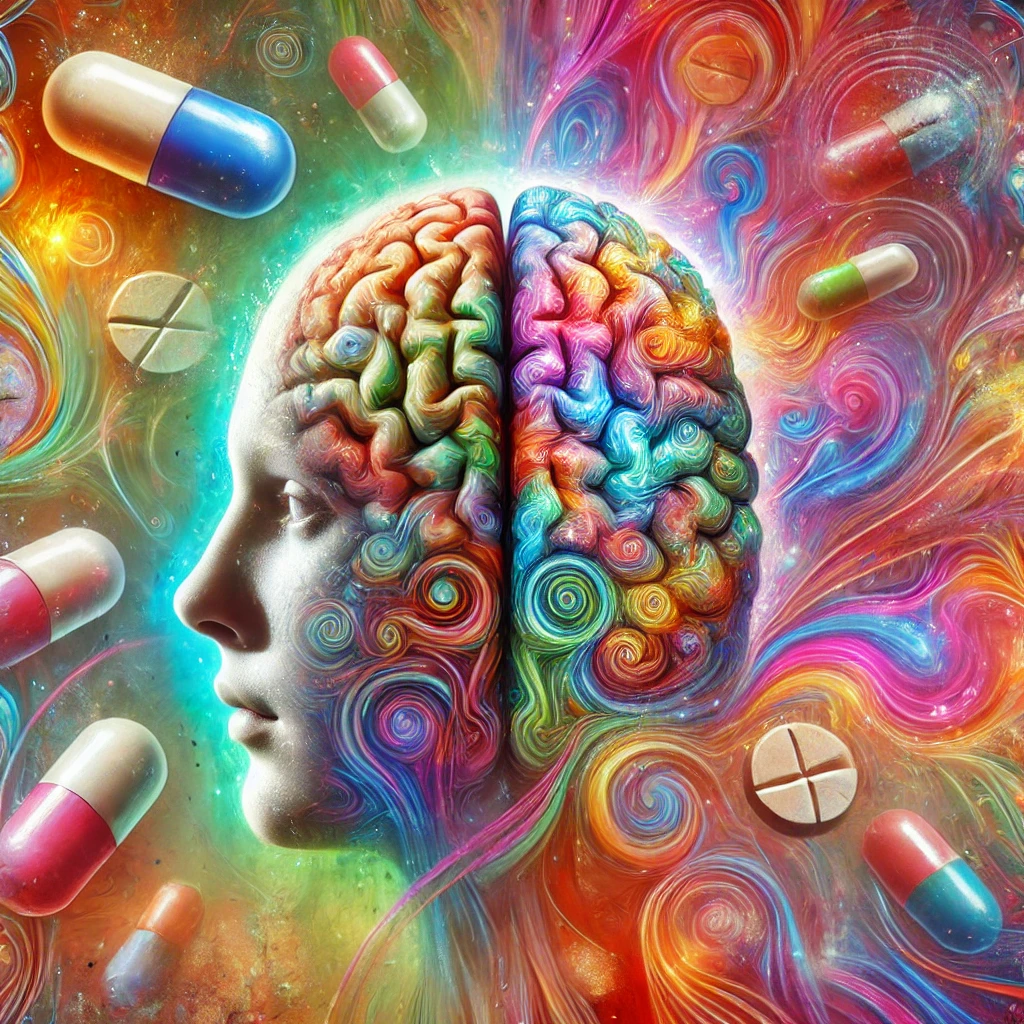
Hallucinogens are a class of drugs that distort perception, thoughts, and feelings. They often cause hallucinations—experiences where the user sees, hears, or feels things that aren’t actually present. Common hallucinogens include:
- LSD (Lysergic Acid Diethylamide)
- Psilocybin (Magic Mushrooms)
- DMT (Dimethyltryptamine)
- Mescaline (Peyote)
- PCP (Phencyclidine)
These substances affect brain chemicals, particularly serotonin, which regulates mood, sensory perception, and cognition. While some hallucinogens like psilocybin are being researched for their potential therapeutic effects, others, such as PCP, are notorious for their unpredictability and potential to cause severe psychological distress.
Hallucinogens and Psychosis
One of the primary concerns with hallucinogen use is its potential to induce or exacerbate psychosis. Psychosis is a mental state characterized by a disconnection from reality, often resulting in hallucinations, delusions, or impaired thinking. While hallucinogen-induced psychosis is usually temporary, some individuals may experience lasting effects.
How Hallucinogens Trigger Psychosis:
- Disrupting Neurochemical Balance: Hallucinogens can flood the brain with chemicals like serotonin, overwhelming its ability to regulate normal sensory input and perception.
- Vulnerable Individuals: People with a history of mental health issues, especially schizophrenia or bipolar disorder, are at a higher risk of experiencing prolonged psychotic episodes after taking hallucinogens.
- Flashbacks and HPPD (Hallucinogen Persisting Perception Disorder): Some users experience flashbacks or HPPD, where hallucinations and distortions persist long after drug use, sometimes indefinitely.
The Role of Medication
For individuals with mental health disorders, medications like antipsychotics, antidepressants, or mood stabilizers are often essential for managing symptoms. However, the use of hallucinogens in conjunction with these medications can be dangerous.
Interactions Between Hallucinogens and Psychiatric Medication:
- SSRIs (Selective Serotonin Reuptake Inhibitors):
- These are commonly prescribed for depression and anxiety. Because SSRIs affect serotonin levels, using hallucinogens that also target serotonin (like LSD or psilocybin) can cause serotonin syndrome—a potentially life-threatening condition characterized by confusion, rapid heart rate, and seizures.
- Antipsychotics:
- People taking antipsychotics (such as risperidone or olanzapine) to manage conditions like schizophrenia or bipolar disorder should avoid hallucinogens. Antipsychotic medications work to reduce excess dopamine in the brain, while hallucinogens can increase dopamine activity, leading to unpredictable and potentially harmful outcomes.
- Benzodiazepines:
- Often prescribed for anxiety or sleep disorders, benzodiazepines (like Xanax or Valium) can dull the effects of hallucinogens, but they also carry the risk of dependency and are not a safe way to “come down” from a bad trip.
The Therapeutic Potential
Despite the risks, there is growing interest in using certain hallucinogens under controlled conditions to treat mental health conditions such as depression, PTSD, and anxiety. For example, research into psilocybin-assisted therapy has shown promise for patients resistant to traditional antidepressants. However, it is important to note that these treatments are conducted in clinical settings, often with rigorous screening and monitoring.
In this therapeutic context, hallucinogens are combined with psychotherapy to help individuals explore suppressed emotions or traumas. MDMA (commonly known as ecstasy) has been studied for its potential to treat PTSD, helping patients process trauma more effectively by reducing the fear response.
Hallucinogens and Psychosis: A Cautionary Tale
While therapeutic use is gaining attention, it is critical to recognize the difference between clinical settings and recreational use. Recreational users often face higher risks of encountering impure substances or using drugs in unsafe environments. This lack of control can lead to anxiety, panic, and psychosis, especially in people with an underlying predisposition for mental health conditions.
The combination of hallucinogens with certain medications can be especially harmful. A thorough understanding of an individual’s mental health status, medication regimen, and predispositions is crucial before exploring any hallucinogenic substance, even in therapeutic contexts.
Final Thoughts
Hallucinogens, whether used recreationally or therapeutically, are powerful substances that significantly alter brain chemistry and perception. While ongoing research explores their potential benefits in treating mental health disorders, their interaction with medications and risk of psychosis cannot be overlooked. Individuals curious about exploring these substances should consult healthcare professionals to understand the risks and benefits, especially when managing an existing mental health condition.
If you or someone you know is considering hallucinogen use or struggling with mental health issues, reaching out to a professional is the best course of action. Safety, caution, and awareness are key when dealing with substances that affect the brain and perception.
If you or a loved one are struggling with addiction or mental health issues, please give us a call today at 855-952-3546