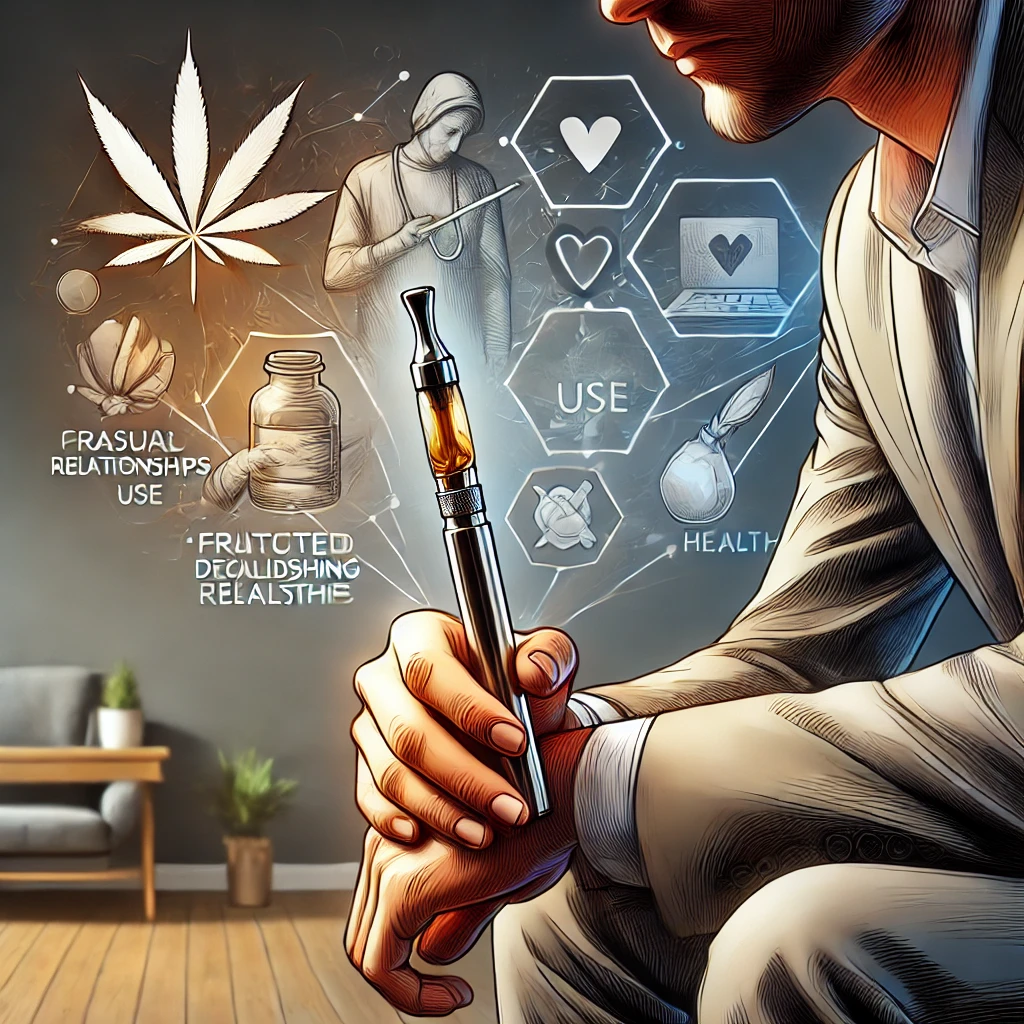
Dab pens, also known as vape pens or wax pens, have gained popularity in recent years as a discreet and convenient way to consume concentrated forms of THC (the psychoactive component in cannabis) or other substances. While many people begin using dab pens casually, assuming they are safer than traditional smoking, the potent nature of these concentrates can quickly lead to dependency and addiction.
In this blog, we will explore how dab pen use can evolve from casual experimentation to compulsive addiction, the risks associated with this habit, and how professional treatment at facilities like the Atlanta Detox Center can help individuals regain control over their lives.
What Is a Dab Pen?
A dab pen is a portable vaporizer designed for consuming cannabis concentrates or other substances. These concentrates, often referred to as wax, shatter, or oil, contain much higher levels of THC than traditional cannabis flower, making the effects more potent. While traditional marijuana typically contains 10-20% THC, concentrates can contain upwards of 80-90%.
Dab pens are appealing because they are discreet, easy to use, and deliver a fast-acting high. However, the high concentration of THC can also increase the risk of addiction, especially with frequent use.
From Casual Use to Addiction
Many people start using dab pens casually, perhaps at a social gathering or as a way to relax at home. However, because of the potent effects, users may find themselves gradually increasing their use to achieve the same level of high. Over time, casual use can turn into compulsive behavior, where the individual feels the need to use the dab pen regularly to function or cope with stress.
Some key factors that contribute to the development of addiction include:
1. High THC Content
The concentrated nature of THC in dab pens means that users can consume a large amount of the psychoactive substance in a short period. This leads to a quicker tolerance, where the individual needs more THC to achieve the same effects. This tolerance can fuel more frequent and higher doses, increasing the risk of addiction.
2. Ease of Use
Dab pens are designed for convenience. Their discreet nature allows users to consume THC in public or private settings without drawing attention. This ease of use can lead to more frequent consumption, which over time, increases the likelihood of dependency.
3. Psychological Dependency
For many, dab pens become a tool for managing stress, anxiety, or other emotional struggles. This can lead to psychological dependency, where the user believes they need the substance to relax or cope with life’s challenges. Over time, the brain begins to rely on THC to regulate mood, making it harder to stop using the dab pen.
Signs of Dab Pen Addiction
As casual use shifts to addiction, individuals may begin to notice certain signs and symptoms that indicate a growing dependency on their dab pen. These signs include:
- Increased Use: Needing to use the dab pen more frequently or in larger amounts to achieve the desired effect.
- Neglecting Responsibilities: Failing to meet personal or professional responsibilities due to dab pen use, such as skipping work, neglecting relationships, or falling behind on schoolwork.
- Physical and Mental Cravings: Experiencing strong urges or cravings to use the dab pen, even when trying to quit or cut back.
- Withdrawal Symptoms: Feeling irritable, anxious, or unable to focus when not using the dab pen. Some users may also experience sleep disturbances, nausea, or headaches during withdrawal.
- Loss of Control: Finding it difficult to stop using the dab pen, even when aware of the negative effects on physical or mental health.
Health Risks of Dab Pen Addiction
While dab pens are often marketed as a safer alternative to smoking, they carry their own set of health risks. In addition to the risk of addiction, users may experience several adverse effects, including:
1. Mental Health Issues
Long-term dab pen use can contribute to mental health problems such as anxiety, depression, and paranoia. The high levels of THC in concentrates can trigger or exacerbate these issues, particularly in individuals who are already predisposed to mental health disorders.
2. Respiratory Problems
While vaping is often considered less harmful than smoking, it is not without risks. Inhaling the vapor from a dab pen can lead to lung irritationand respiratory problems, especially with prolonged use. Some users have developed conditions like vaping-associated lung injury (VALI), a serious lung condition linked to vaping.
3. Cognitive Impairment
Frequent use of high-potency THC products can impair cognitive function, particularly in young adults whose brains are still developing. Long-term users may experience difficulties with memory, attention, and decision-making.
4. Increased Risk of Substance Abuse
Individuals who develop a dependency on dab pens may also be at higher risk for polysubstance abuse, where they begin using other drugs or substances in conjunction with THC. This can complicate the addiction and lead to more severe health risks.
Treatment for Dab Pen Addiction
Recognizing the need for help is the first step in overcoming dab pen addiction. Professional treatment centers, like the Atlanta Detox Center, offer comprehensive care for individuals struggling with substance use disorders.
1. Medical Detox
For those who have developed a significant dependency on dab pens, medical detox may be necessary to safely manage withdrawal symptoms. At the Atlanta Detox Center, medical professionals provide around-the-clock supervision to ensure that patients are comfortable and safe during the detox process.
2. Therapy and Counseling
Once detox is complete, therapy and counseling are essential components of recovery. Cognitive Behavioral Therapy (CBT) is often used to help individuals identify the underlying causes of their addiction and develop healthier coping mechanisms. Group therapy and individual counseling sessions provide additional support as patients work through their recovery journey.
3. Aftercare and Support
Long-term recovery requires ongoing support. The Atlanta Detox Center offers aftercare programs designed to help individuals maintain sobriety and avoid relapse. These programs include continued therapy, support groups, and resources to build a strong foundation for a drug-free life.
What begins as casual use of a dab pen can quickly spiral into a compulsive addiction with serious health consequences. If you or a loved one is struggling with dab pen addiction, seeking professional help at the Atlanta Detox Center can provide the support and resources needed to achieve lasting recovery. Don’t wait—reach out today and take the first step toward a healthier, happier future.
If you or a loved one are struggling with addiction or mental health issues, please give us a call today at 855-952-3546