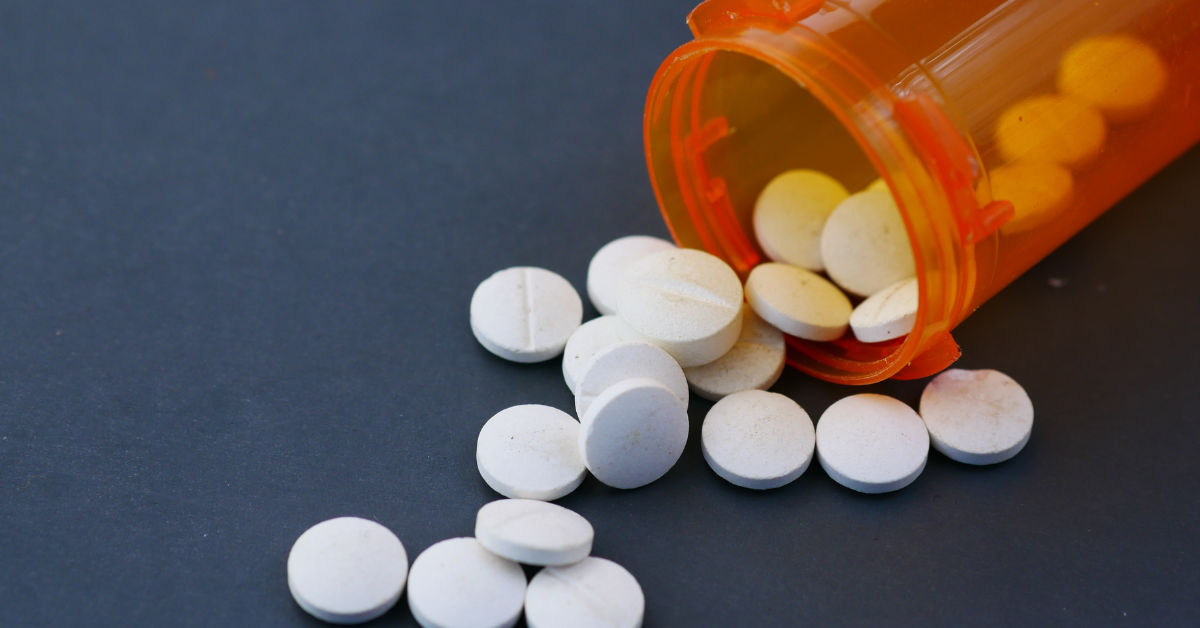
Oxycodone, a potent opioid painkiller, is widely prescribed for managing moderate to severe pain. While effective for pain relief, it carries significant risks, particularly when misused or combined with other substances like alcohol. Understanding the effects of oxycodone on its own, as well as the dangers of mixing oxycodone and alcohol, is crucial for anyone using this medication.
Georgia Addiction Treatment Center explores what oxycodone feels like when taken alone and the severe consequences that can arise from combining it with alcohol. For those struggling with addiction or misuse, seeking help from a professional facility like our Peachtree City Drug Rehab is essential for recovery and safety.
What Does Oxycodone Feel Like on Its Own?
Oxycodone, a potent opioid pain reliever, is capable of causing various physical and psychological reactions. When used independently, oxycodone connects with opioid receptors in the brain, changing how pain is experienced and causing a feeling of happiness. The effects can vary greatly in their intensity and nature based on the dosage, the person’s physiology, and their tolerance to opioids. The experience can bring a lot of joy to some people, but for others, it can be unpleasant or distressing.
Signs of oxycodone abuse can include:
- Euphoria: One of the most commonly reported effects is a sense of euphoria, which can make the user feel intensely happy and relaxed.
- Pain Relief: Oxycodone is effective at reducing pain, which is why it is commonly prescribed for moderate to severe pain management.
- Sedation: The drug can cause significant drowsiness and a general sense of calm, making it difficult to stay awake or alert.
- Warmth and Comfort: Users often describe a warm, comfortable sensation that spreads throughout the body.
- Nausea and Vomiting: Especially at higher doses, oxycodone can cause nausea and vomiting, which can be unpleasant.
- Itching: Some users experience itching, which can range from mild to severe.
- Constipation: Oxycodone commonly causes constipation, which can be a significant side effect for many users.
- Dizziness: Feeling lightheaded or dizzy is another common effect, which can lead to a sense of instability.
The main advantage of following the prescribed use of oxycodone for pain management is typically experiencing notable relief from chronic or acute pain, resulting in enhanced quality of life and ability to function. Yet, using oxycodone for non-medical purposes can result in severe outcomes such as dependence, overdose, and adverse health effects. Using this medication without supervision from a healthcare provider can be risky, so it is important to only use it under their guidance and understand the possible dangers.
What Happens If You Mix Oxycodone With Alcohol?
Combining alcohol with oxycodone can lead to risky and possibly deadly outcomes. Both oxycodone and alcohol are classified as central nervous system depressants, causing a decrease in brain activity and affecting different bodily functions. When combined, their impacts can enhance one another, resulting in severe sleepiness, diminished coordination, and reduced breathing rates.
This mixture significantly raises the likelihood of respiratory depression, a condition in which breathing becomes either shallow or stops completely, potentially leading to hypoxia, brain injury, or fatality. Furthermore, the calming impacts are increased, causing challenges for the person to remain alert or conscious, thereby raising the likelihood of accidents or injuries.
In addition to the physical dangers, combining alcohol and oxycodone can heighten the psychological impacts of both substances. The joint depressant impact can result in significant cognitive decline, disorientation, and an increased likelihood of participating in dangerous activities because of impaired decision-making and physical control. Prolonged consumption of this mixture can worsen psychological conditions like depression and anxiety and can result in a quick increase in substance dependency and addiction.
Liver disease or failure can occur when the liver is overwhelmed by the increased workload of processing various substances. It is essential to refrain from drinking alcohol when using oxycodone and consult a healthcare professional if you have worries about substance abuse.
Treating Opioid and Alcohol Addiction in Georgia
If you or a loved one is struggling with opioid or alcohol addiction, our Rehab Center in Georgia is here to help. Our comprehensive treatment programs are designed to address both opioid and alcohol dependencies through a variety of evidence-based approaches.
We offer multiple levels of care to meet your unique needs, ensuring you receive the right support at every stage of recovery. Stay informed and empowered by visiting our blog, which offers valuable insights and resources on addiction and recovery.