
Addiction Treatment Therapies
Navigating the path to recovery from addiction demands a multifaceted approach that addresses both the physical and psychological aspects of the condition. One such technique gaining recognition in the field of addiction recovery is biofeedback therapy. This innovative method empowers individuals to gain greater control over their physiological responses, offering a promising avenue for managing cravings, reducing stress, and promoting overall well-being. As a Georgia Treatment Center, we are proud to offer the option of biofeedback for addiction recovery to our patients. Read on to learn more about this innovative program.
What Is Biofeedback in Psychology and Addiction Recovery?
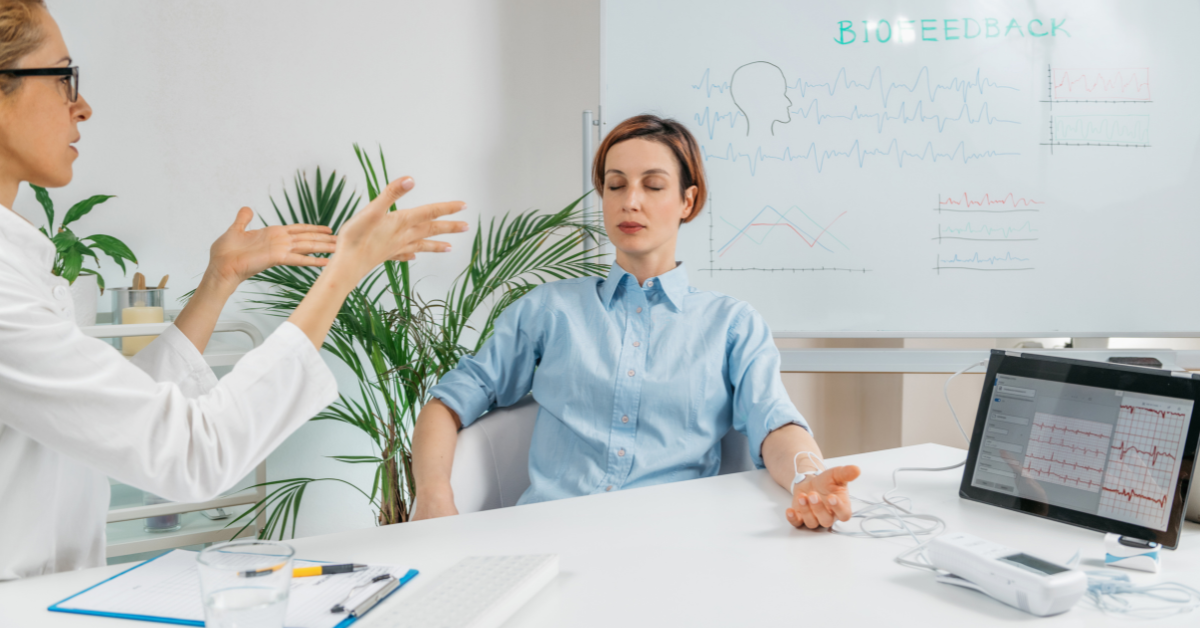
Biofeedback is a technique used in psychology and addiction recovery to help people achieve more awareness and control over their physiological processes by monitoring and providing feedback. It is based on the knowledge that bodily signals, including heart rate, skin temperature, muscular tension, and brainwave activity, are continuously released by our bodies and serve as indicators of our internal states. Through the use of biofeedback, people can develop the ability to identify these signals and actively control them, which will enhance their mental and physical health.
In biofeedback therapy, physiological responses are measured by attaching sensors to the body. The patient and therapist can then view the results in real-time on a monitor. People can get an understanding of how their ideas, feelings, and actions affect their physical functions through this process.
Benefits of biofeedback include:
Self-Regulation: Biofeedback empowers individuals to regulate their physiological responses, such as reducing stress levels, managing anxiety, and controlling cravings associated with addiction.
Non-Invasive: Unlike some medical interventions, biofeedback is non-invasive and does not involve the use of medications or surgical procedures, making it a safe option for many individuals.
Customized Approach: Biofeedback techniques can be tailored to each individual’s needs and preferences, allowing for personalized treatment plans.
Complementary Therapy: It can be used alongside other therapeutic approaches, such as cognitive-behavioral therapy (CBT) or medication-assisted treatment (MAT), to enhance overall recovery outcomes.
Long-Term Benefits: By learning self-regulation skills through biofeedback, individuals can experience long-term benefits beyond the treatment period, such as improved stress management and emotional resilience.
Biofeedback can be a useful tool in addiction treatment for assisting patients in recognizing triggers, managing cravings, and creating healthier coping strategies. By mastering the regulation of physiological reactions linked to stress and cravings, individuals can mitigate the likelihood of relapsing and sustain sobriety more efficiently. Additionally, by encouraging increased self-awareness and self-control, biofeedback techniques can improve general well-being and quality of life. With consistent practice and supervision from qualified experts, biofeedback is a viable means of assisting people in their quest for addiction recovery.
Can You Do Biofeedback at Home?
While it’s possible to attempt biofeedback at home with the use of portable devices, it’s important to recognize the limitations and potential risks of self-guided practices. Without proper training and guidance from qualified professionals, individuals may not achieve optimal results or could even exacerbate existing issues. At our rehab center in Georgia, we offer comprehensive biofeedback therapy programs led by experienced therapists who specialize in addiction recovery and mental health treatment.
Seeking biofeedback therapy for addiction at our rehabilitation facility ensures that patients receive specialized attention and assistance from skilled specialists who can tailor the treatment to their specific requirements. In addition to assisting clients with the biofeedback procedure, our therapists incorporate it into a thorough treatment plan that covers every facet of addiction rehabilitation. People can make full use of the advantages of biofeedback therapy by engaging in it in a controlled and supportive setting. They can also get other tools and therapies to help them on their path to long-term recovery. We invite you to get in touch with our rehab center in Georgia to find out more about our all-encompassing approach to addiction treatment if you’re thinking about including biofeedback in your recovery process.
Biofeedback Therapy at Georgia Addiction Treatment Center
Biofeedback therapy represents a valuable tool in the arsenal of addiction recovery, offering individuals a means to cultivate self-awareness, regulate physiological responses, and bolster their journey toward sobriety. At our Peachtree drug rehab, we provide a range of addiction treatment programs tailored to meet individuals at their unique stages of recovery. From detoxification and residential programs to outpatient care and aftercare support, our multidisciplinary team is committed to guiding clients through every step of their recovery journey, ensuring that they receive the personalized care and resources needed to achieve lasting wellness and freedom from addiction.


