How Atlanta Schools Are Addressing Youth Mental Health and Substance Abuse
Across Atlanta, schools are realizing something important: students cannot succeed academically if they are struggling emotionally. Over the last few years, youth mental health concerns and substance abuse issues have become impossible to ignore. Anxiety, depression, stress, vaping, alcohol use, and drug experimentation are affecting students at younger ages than ever before. In response, schools throughout the Atlanta area are stepping up with new programs, counselors, education initiatives, and community partnerships designed to help students before problems spiral out of control.
Mental health is no longer being treated as a side issue. Many Atlanta schools are beginning to see emotional wellness as just as important as grades, athletics, or attendance.
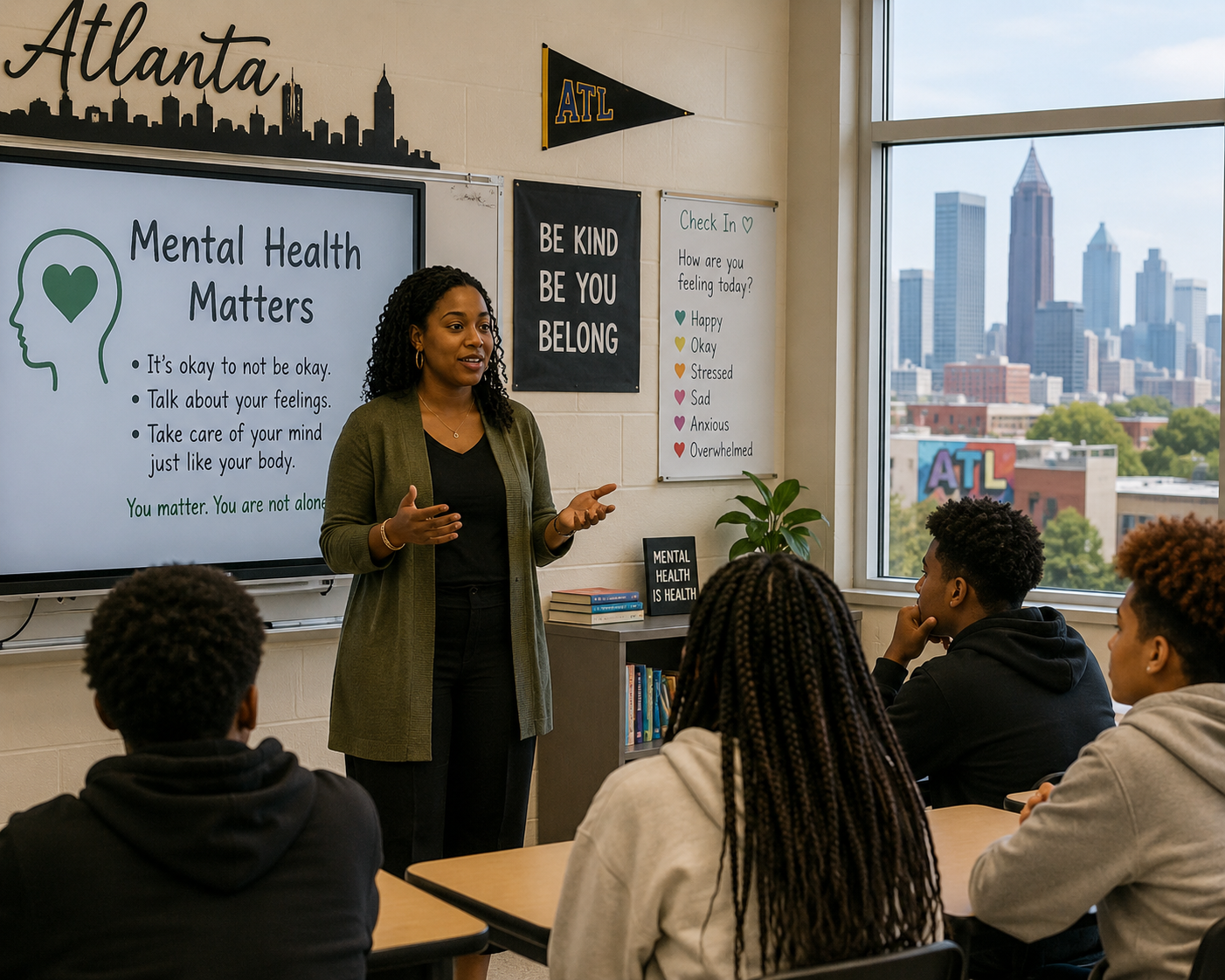
One major change has been the expansion of school-based mental health services. Many schools now work directly with behavioral health clinicians who provide counseling, crisis support, and case management for students. Some schools even offer confidential text-based crisis services that students can access 24 hours a day if they are struggling or worried about a friend.
This type of support matters because many teenagers feel uncomfortable talking openly about mental health. Having counselors available inside the school building removes barriers and makes it easier for students to ask for help without feeling embarrassed or judged.
Atlanta schools are also putting more focus on prevention and education rather than waiting for a crisis to happen. Programs centered around mental health awareness are teaching educators, coaches, parents, and students how to recognize warning signs tied to anxiety, depression, trauma, self-harm, and substance abuse.
That early intervention is critical. Many students dealing with emotional pain try to hide it. Some turn to substances like alcohol, marijuana, or prescription pills as a coping mechanism. Others isolate themselves, experience falling grades, or become emotionally withdrawn. Schools are increasingly training staff to recognize these subtle signs before they develop into larger problems.
Another area schools are addressing is the connection between stress and substance use. Students today face intense pressure from academics, social media, sports, college admissions, and social expectations. Many educators believe substance abuse prevention cannot work unless schools also address the underlying emotional stress students are carrying every day.
Some schools are now introducing wellness periods, mindfulness activities, peer support groups, and emotional regulation programs into the school day. Others are partnering with outside organizations to provide therapy and addiction education workshops. These efforts aim to reduce stigma while teaching students healthier ways to handle stress and emotional struggles.
Community involvement has also become a huge piece of the puzzle. Schools throughout the Atlanta area are working more closely with parents, therapists, local organizations, and behavioral health professionals. Mental health awareness nights, parent education seminars, and recovery-focused community events are becoming more common as schools recognize that helping students requires support both inside and outside the classroom.
There is also growing awareness surrounding the dangers of vaping and underage substance use. Schools are spending more time educating students on how nicotine addiction, alcohol misuse, and drug experimentation can impact brain development, mental health, relationships, and long-term health outcomes. Some districts have moved away from purely punishment-based discipline and toward intervention-focused approaches that prioritize counseling and recovery support instead.
Programs offering intensive outpatient care, DBT therapy, family counseling, and recovery-focused support are helping fill gaps when students need more than school-based services alone.
While there is still a long way to go, Atlanta schools are making meaningful progress in how they approach youth mental health and substance abuse. The conversation has changed. Students are being encouraged to speak openly about their struggles instead of hiding them. Teachers are receiving more training. Parents are becoming more involved. Schools are beginning to understand that emotional health affects every part of a young person’s life.
The reality is simple: students need support, connection, and access to resources. When schools prioritize mental health and substance abuse prevention, they create safer environments where students can grow academically, emotionally, and socially.
Life moves fast for teenagers today, and the pressures can feel overwhelming. But by continuing to invest in mental health education, counseling access, and recovery-focused support, Atlanta schools are helping students realize they do not have to struggle alone.
FAQ
Why are schools focusing more on mental health now?
Mental health concerns among teens have increased significantly in recent years. Schools are seeing more students struggle with anxiety, depression, stress, and emotional burnout, which can directly affect learning and behavior.
How are schools helping students with substance abuse issues?
Many schools now provide counseling, prevention education, crisis intervention, peer support groups, and referrals to outside treatment resources instead of relying only on punishment.
What are common warning signs of teen mental health struggles?
Changes in mood, isolation, declining grades, irritability, sleep problems, anxiety, lack of motivation, and substance use can all be signs that a student may need help.
Why is early intervention important?
Addressing mental health and substance abuse issues early can prevent problems from becoming more severe later in life and can improve academic, emotional, and social outcomes.
Are schools working with parents and outside professionals?
Yes. Many Atlanta schools now partner with therapists, behavioral health providers, and community organizations to provide students and families with additional support and resources.
If you or a loved one are struggling with addiction or mental health issues, please give us a call today at 855-952-3546.