What Are the Most Effective Treatments for Addiction?
There’s no single treatment that works for everyone when it comes to addiction. What is effective depends on the person, the substance involved, mental health factors, and the level of support available. That said, research and real-world experience consistently show that addiction is most successfully treated with a comprehensive, individualized approach, not a one-size-fits-all solution.
One of the most effective components of addiction treatment is therapy. Behavioral therapies help people understand why they use substances, identify triggers, and develop healthier coping strategies. Therapy also addresses thought patterns that fuel addiction, such as denial, shame, or all-or-nothing thinking. Over time, this helps reduce cravings and builds skills for long-term recovery.
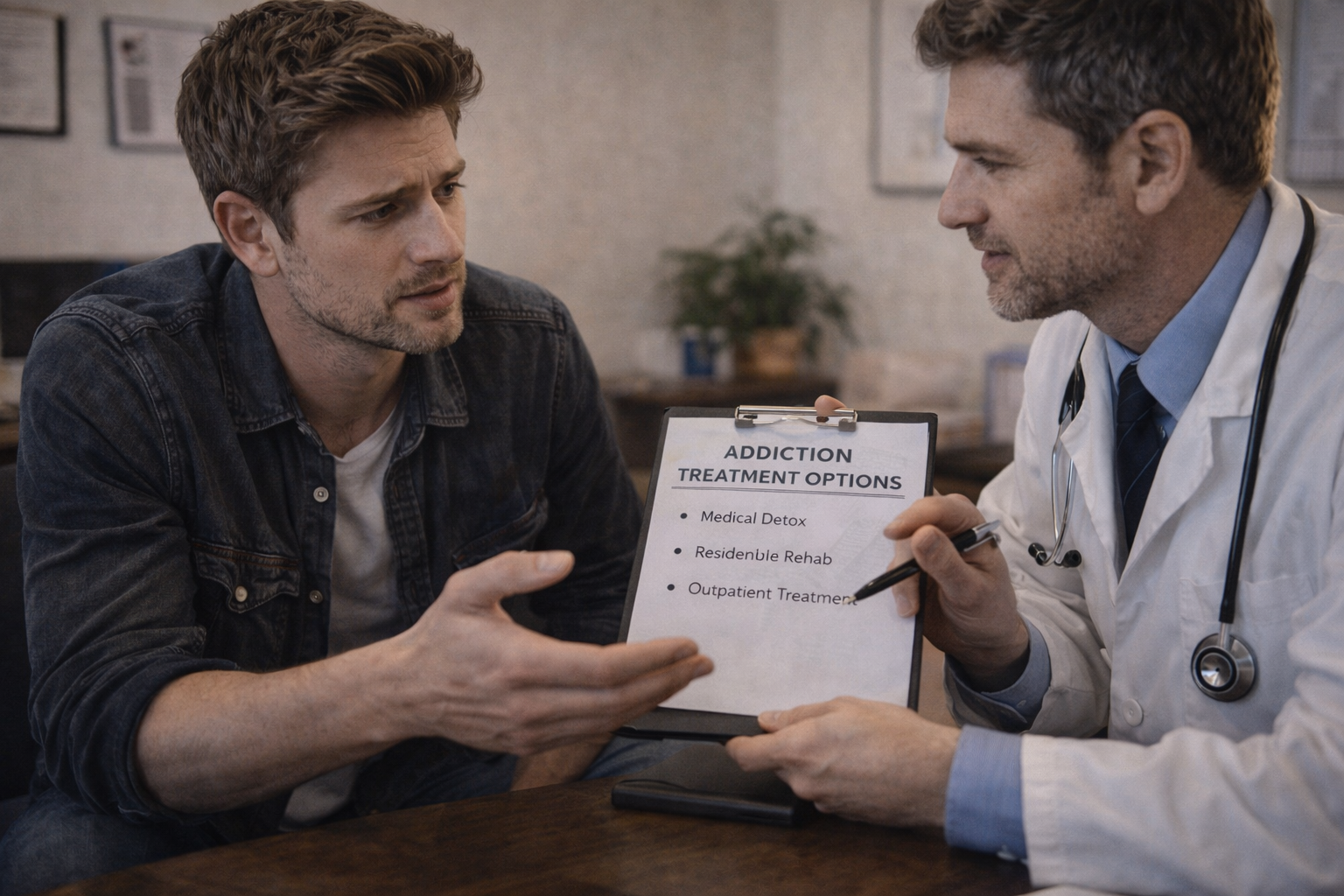
Structured support and routine are also critical. Addiction often thrives in chaos or isolation. Treatment that provides daily structure—whether through inpatient care, outpatient programs, or consistent recovery routines—helps retrain the brain and establish stability. Having accountability and predictable support reduces impulsive decision-making and relapse risk.
For many people, addressing mental health alongside addiction is essential. Anxiety, depression, trauma, and mood disorders commonly coexist with substance use. When mental health is ignored, relapse becomes more likely because substances were often being used to cope with emotional pain. Integrated treatment that addresses both conditions leads to better outcomes.
Peer support plays a powerful role as well. Connecting with others who understand addiction firsthand reduces isolation and shame. Hearing shared experiences can normalize struggles and reinforce that recovery is possible. Feeling understood and supported can make difficult moments easier to navigate.
In some cases, medication can be an effective tool, especially for managing withdrawal symptoms or reducing cravings. Medication isn’t a shortcut or a weakness—it’s a support. For certain people, it helps stabilize brain chemistry enough to fully engage in therapy and recovery work. For others, non-medication approaches may be sufficient. Effectiveness depends on individual needs, not ideology.
Another key factor in successful treatment is continuity of care. Addiction recovery doesn’t end after detox or an initial program. Ongoing support—through therapy, routine check-ins, lifestyle changes, and relapse prevention planning—helps maintain progress. Long-term recovery is built through consistency, not quick fixes.
The most effective addiction treatment plans share one thing in common: they treat the whole person. They address physical dependence, mental health, emotional patterns, and daily life skills together. Recovery isn’t about willpower alone—it’s about having the right tools, support, and understanding.
Life is short, and effective treatment isn’t about doing everything perfectly. It’s about finding what works, staying open to support, and building a life that no longer depends on substances.
If you or a loved one are struggling with addiction or mental health issues, please give us a call today at 855-952-3546