What Is Dual Diagnosis in Addiction Treatment?
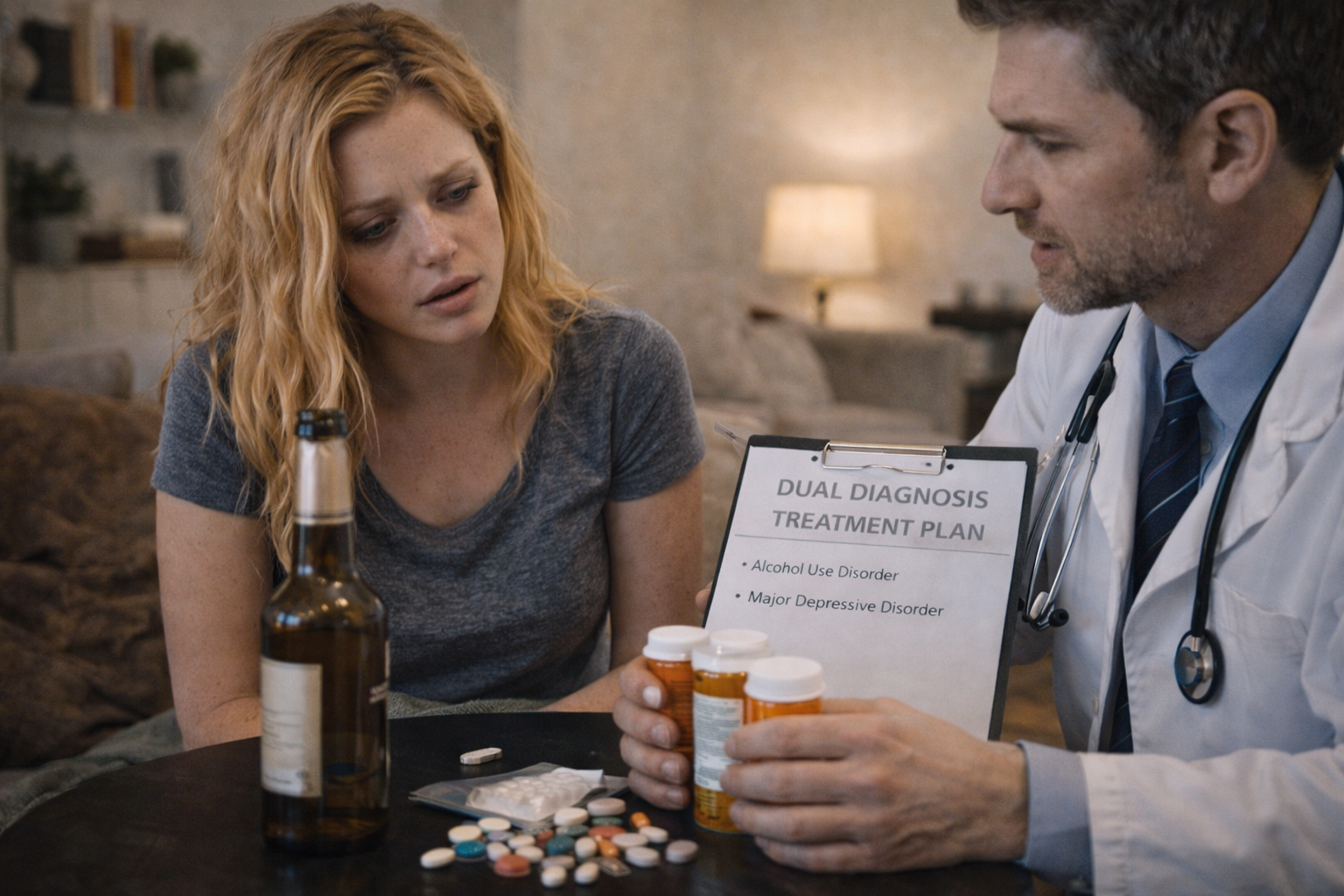
Dual diagnosis is a term used when someone is experiencing both a substance use disorder and a mental health condition at the same time. This could include combinations like addiction and depression, addiction and anxiety, addiction and PTSD, or addiction and bipolar disorder. Rather than being separate issues, these conditions are often deeply connected and influence one another in powerful ways.
In many cases, mental health symptoms appear first. Someone may struggle with anxiety, trauma, mood swings, or depression and turn to drugs or alcohol as a way to cope. What begins as relief can slowly turn into dependence. Over time, substance use can also make mental health symptoms worse, creating a cycle that’s difficult to break without proper support.
In other situations, substance use comes first. Drugs and alcohol can change brain chemistry, increase emotional instability, and trigger mental health symptoms that weren’t previously present. Long-term use can lead to anxiety, depression, paranoia, or emotional numbness, even after someone stops using. When both conditions are present, treating only one often isn’t enough.
Dual diagnosis treatment focuses on addressing both addiction and mental health together, rather than separately. If addiction is treated without addressing mental health, relapse risk remains high because the underlying emotional pain is still there. If mental health is treated without addressing substance use, progress is often limited because drugs or alcohol continue interfering with brain function and emotional regulation.
Treatment for dual diagnosis typically involves a coordinated approach. This may include therapy to address thought patterns, trauma, and coping skills, along with education about how substances affect mental health. The goal is to help people understand the connection between their symptoms and their substance use, while building healthier ways to manage stress, emotions, and daily life.
One of the most important aspects of dual diagnosis care is reducing shame. Many people feel frustrated or confused about why they can’t “just stop” using substances or why their mental health doesn’t improve. Understanding that both conditions are interacting—and reinforcing each other—can be incredibly validating and motivating.
Dual diagnosis is more common than many people realize. Struggling with both addiction and mental health does not mean someone is broken or beyond help. It means they need a treatment approach that sees the full picture, not just part of it.
Life is short, and treating only half of the problem often leads to ongoing struggle. Addressing both mental health and addiction together gives recovery a stronger foundation and a better chance to last.
If you or a loved one are struggling with addiction or mental health issues, please give us a call today at 855-952-3546