How Does Addiction Affect the Brain?
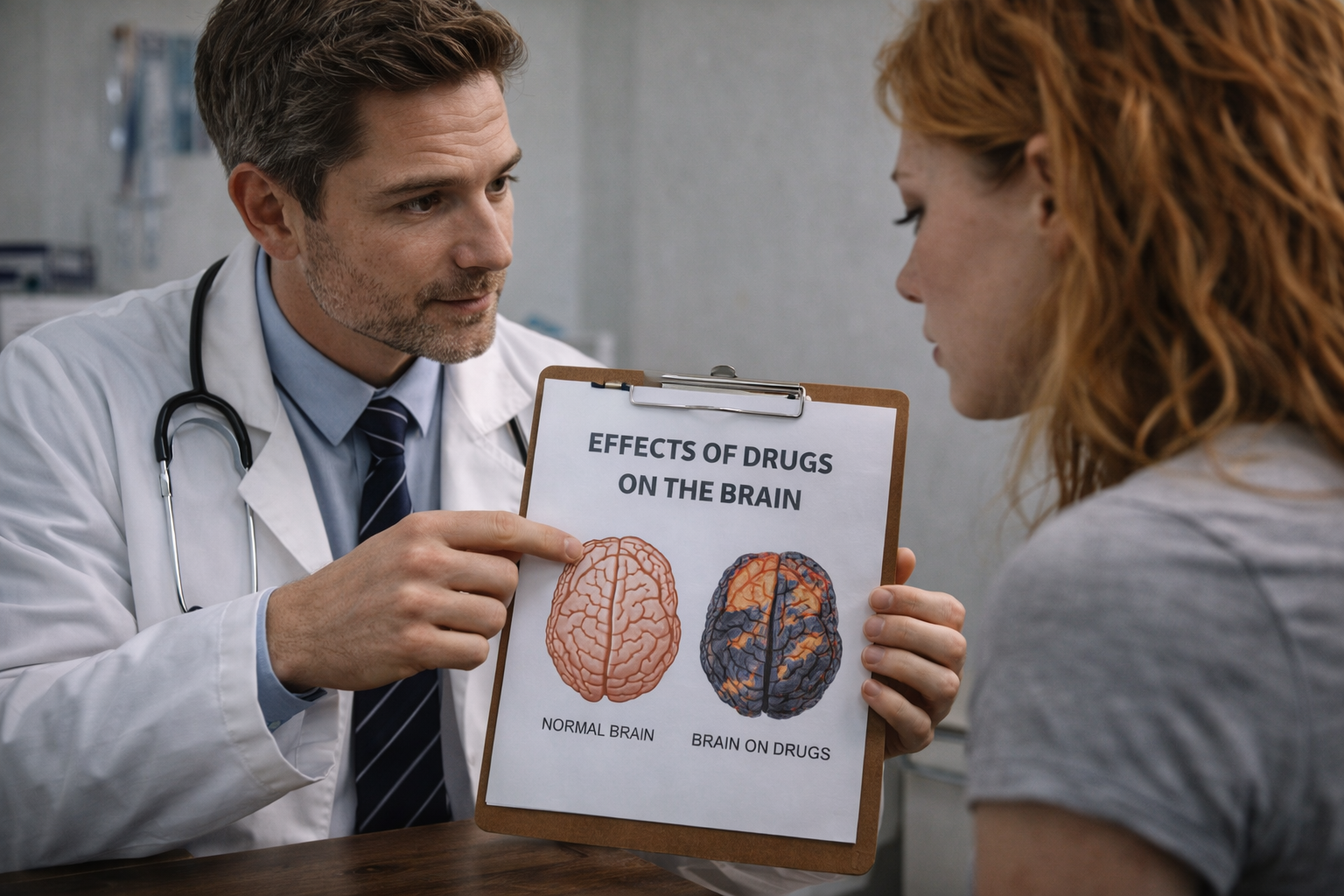
Addiction isn’t just a habit or a lack of willpower—it’s a condition that physically changes how the brain works. Over time, repeated drug or alcohol use rewires key brain systems involved in pleasure, motivation, decision-making, and self-control. These changes explain why addiction is so hard to stop, even when someone desperately wants to.
At the center of addiction is the brain’s reward system. Normally, this system releases dopamine when we do things that help us survive, like eating, connecting with others, or achieving goals. Drugs and alcohol flood the brain with dopamine at levels far higher than natural rewards. The brain quickly learns to associate substances with intense relief or pleasure, marking them as a top priority.
As substance use continues, the brain adapts. It starts producing less dopamine on its own and becomes less sensitive to it overall. This means everyday activities that once brought joy—food, hobbies, relationships—can start to feel dull or meaningless. The person isn’t using substances to feel good anymore; they’re using them just to feel normal.
Addiction also affects the prefrontal cortex, the part of the brain responsible for judgment, impulse control, and decision-making. This area helps us weigh consequences and make rational choices. With ongoing substance use, its function weakens. That’s why people with addiction may continue using despite knowing the risks to their health, relationships, or future. It’s not that they don’t care—it’s that the brain’s control system has been compromised.
Another major change happens in the brain’s stress and emotion systems. Over time, the brain becomes more sensitive to stress and less able to cope with it naturally. Anxiety, irritability, and emotional instability become more common, especially when the substance isn’t present. This creates a powerful cycle: stress triggers cravings, and using temporarily relieves that stress, reinforcing the addiction.
Memory and learning are also affected. The brain forms strong associations between substances and certain people, places, or emotions. These “triggers” can activate intense cravings long after someone stops using. That’s why relapse can happen suddenly and feel confusing—it’s a learned brain response, not a conscious decision.
The good news is that the brain can heal. When substance use stops, the brain gradually begins to rebalance. Dopamine systems recover, stress responses calm down, and decision-making improves. This process takes time and support, but real change is possible. Many people experience clearer thinking, improved mood, and better emotional regulation as healing continues.
Understanding how addiction affects the brain helps reduce shame. Addiction is not a moral failure—it’s a brain-based condition that responds to treatment, support, and time. Life is short, and giving the brain the chance to heal can open the door to a healthier, more present life.
If you or a loved one are struggling with addiction or mental health issues, please give us a call today at 855-952-3546