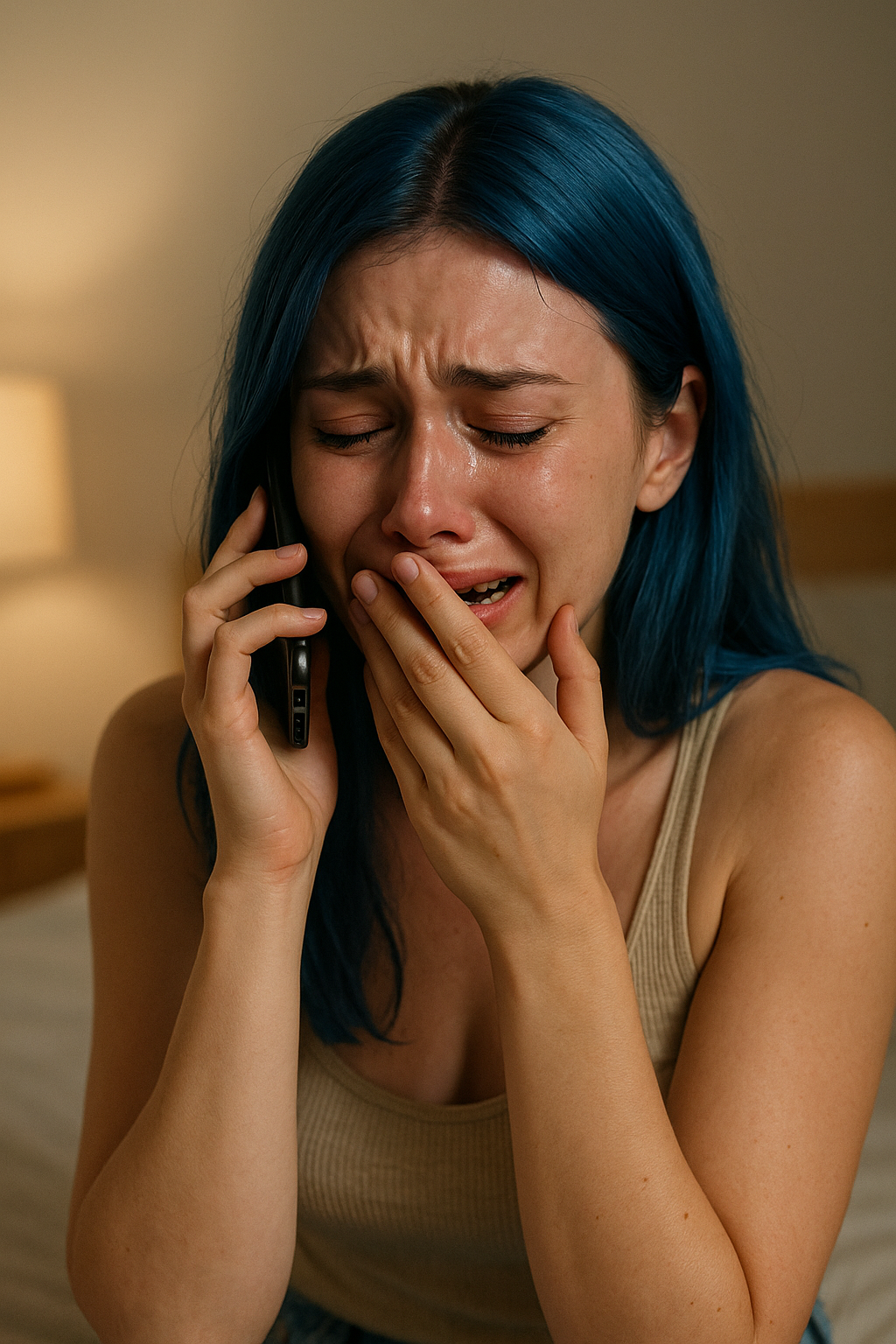
When to Call a Depression Hotline and Recognizing Red Flags
Depression doesn’t always arrive loudly. Sometimes it shows up quietly, creeping into your life until even the easiest tasks feel impossible. When emotions become too heavy to manage alone, reaching out to a depression hotline can be a lifesaving choice. Knowing the signs that it’s time to make that call can help you protect your mental health before things get worse.
One major red flag is thinking about hurting yourself or wishing you could disappear. Even if you don’t have a plan or don’t think you’d act on it, those thoughts are serious and deserve immediate attention. A depression hotline gives you someone to talk to right away when your mind feels dangerous. You don’t need to wait for things to spiral before you ask for help.
Another sign is when your emotions feel completely overwhelming. You may cry without reason, feel constant panic, or be unable to control fear and sadness. If you can’t manage the emotional flood on your own, calling a hotline can help you slow the moment down. The person who answers will guide you through breathing, grounding, and staying present so you can feel more steady.
You may also notice changes in your daily habits. If you suddenly stop eating, stop sleeping, or want to sleep all day, depression may be taking over more than you realize. When basic self-care feels exhausting, a hotline counselor can help you talk through what you’re feeling and help you find small steps to stay safe.
Another red flag is withdrawal from everyone and everything. When you stop answering messages, avoid friends, or lose interest in hobbies that once mattered, it may be a sign that depression is getting stronger. Feeling alone can make the darkness louder. Calling a hotline connects you with someone who understands and can help break that isolation.
Depression can also twist your thoughts, making you believe you don’t matter or that things will never get better. If you hear yourself saying, “I can’t do this anymore,” or “There’s no point,” that’s a moment to reach out. A hotline counselor will listen without judgment and remind you that these thoughts are symptoms of depression — not the truth about your worth.
Some people feel fear more than sadness. If you’re suddenly terrified of the future, scared of your own mind, or worried you can’t control your behavior, that’s another sign it’s time to call. Hotlines are there to help you face those thoughts safely and calm the panic before it takes control.
You don’t need to wait until you hit rock bottom to ask for help. Hotlines exist for those exact moments when things feel unbearable, confusing, or lonely. If something inside you is saying, “I’m not okay,” that’s reason enough to pick up the phone.
There’s no shame in reaching out. Depression is a real illness, and support is available every minute of the day. Calling a hotline can help you get through the darkest moments and remind you that you deserve care, safety, and hope — right now, not later.
If you or a loved one are struggling with addiction or mental health issues, please give us a call today at 855-952-3546