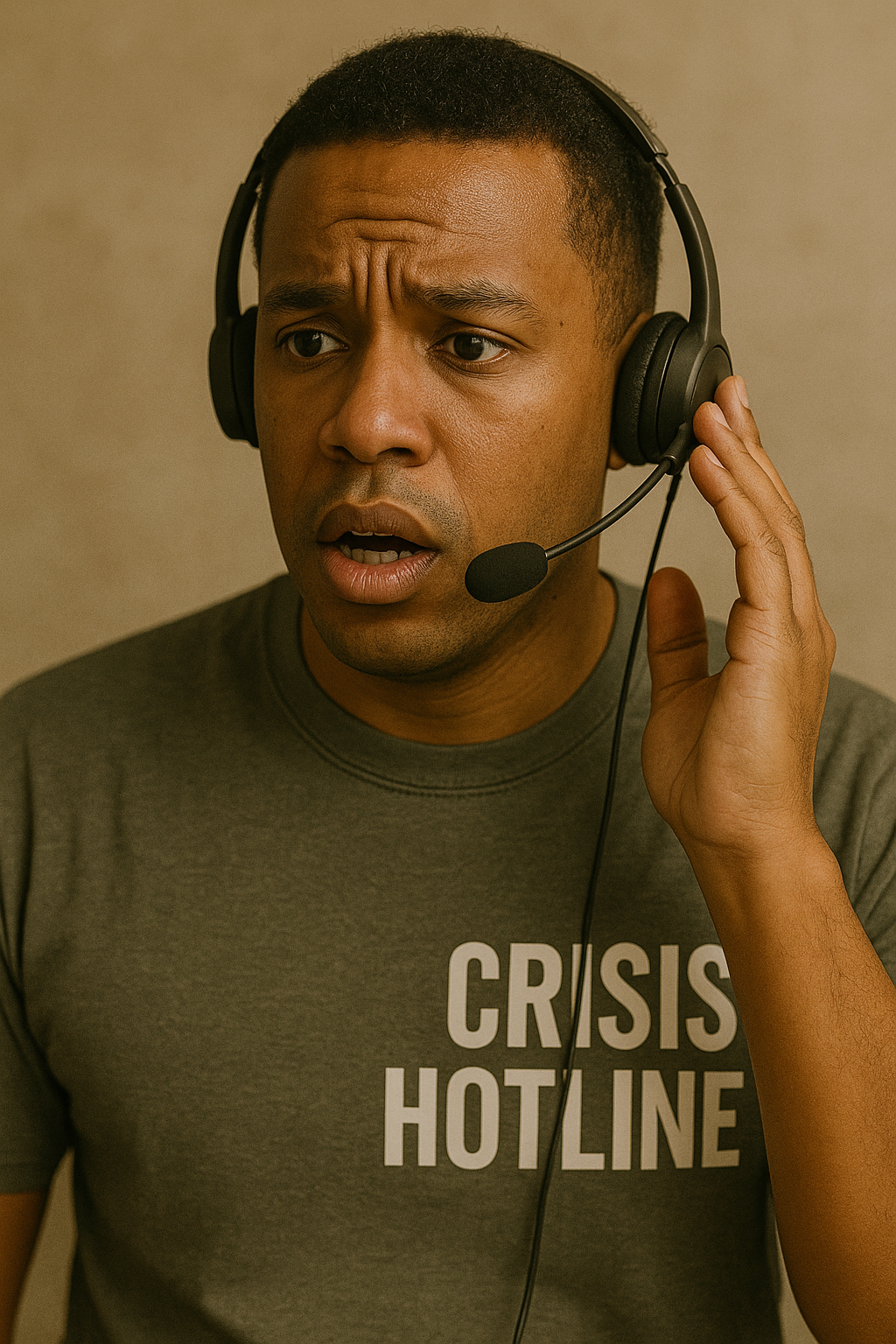
The Role of Crisis Hotlines in Preventing Mental Health Emergencies
Mental health emergencies rarely come out of nowhere. Often, stress, anxiety, fear, and painful emotions build up until a person reaches a breaking point. Crisis hotlines play a major role in stopping that breaking point from becoming a tragedy. They provide immediate support at the very moment someone begins to lose control, helping them stay safe and feel understood before the situation becomes more dangerous.
One of the most important things crisis hotlines do is offer fast access to help. When someone is overwhelmed and scared, waiting for a therapy appointment or struggling alone can make everything worse. A hotline connects callers to trained counselors within seconds. That fast response can interrupt harmful thoughts, calm panic, and prevent a scary situation from turning into an emergency.
Hotline counselors also help people make sense of their emotions. Feelings like anxiety, grief, or anger can become overwhelming when someone tries to handle them alone. By listening without judgment, the counselor helps callers talk through what they’re experiencing. Being able to express those thoughts — maybe for the first time — can relieve pressure and reduce the risk of impulsive or harmful decisions.
Another key role is ensuring safety in the moment. If someone feels like they might hurt themselves or can’t control their emotions, the counselor helps them stay grounded. They may guide them through coping skills, help them move away from unsafe situations, or create a plan to protect them from immediate danger. These steps can keep a crisis from escalating into a life-threatening emergency.
Crisis hotlines also reduce the emotional isolation that can lead to emergencies. Many people believe no one cares or that their problems are too heavy to share. Hearing a calm, caring voice helps callers feel less alone. Knowing that someone is there, willing to listen, can give a person enough hope to keep going through the hardest moments.
After the immediate distress passes, hotlines encourage long-term support. Counselors can connect callers with mental health services, support groups, or local organizations that can help them continue healing. That guidance prevents the next crisis from happening by addressing the root of the emotional pain instead of just the momentary struggle.
Ultimately, crisis hotlines exist to protect people before the danger peaks. They meet individuals right where they are — scared, confused, exhausted — and help them hold on until real relief and professional care are within reach. Every call is a chance to save a life, give someone hope, and show them they don’t have to face their pain alone.
If you ever feel like your emotions are slipping beyond what you can handle, reaching out to a crisis hotline could be the step that keeps you safe. Support is always available, and someone is ready to help you through the toughest moment.
If you or a loved one are struggling with addiction or mental health issues, please give us a call today at 855-952-3546