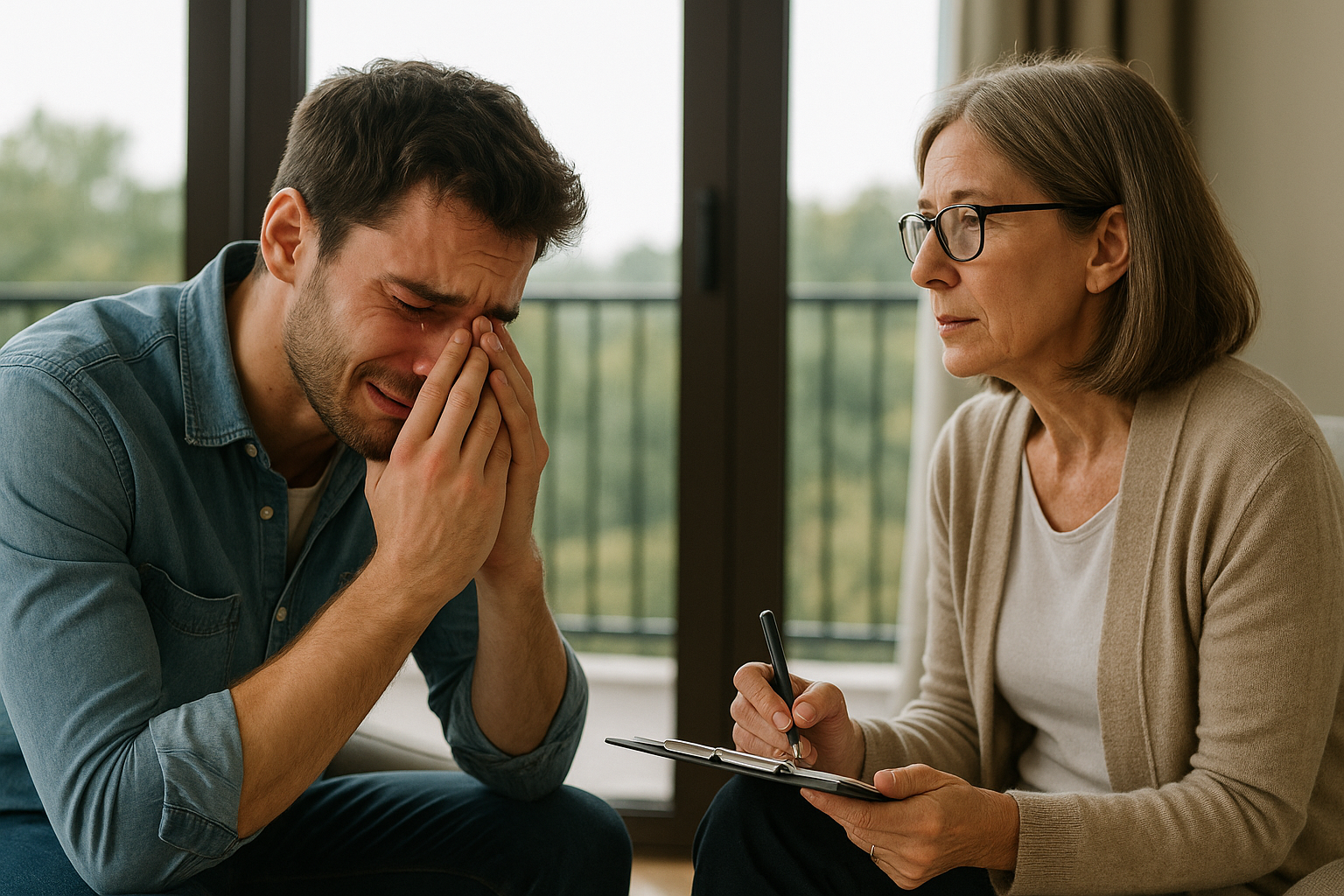
Signs You May Need Dual Diagnosis Rehab
When mental health struggles and substance use collide, it can feel like life is spinning out of control. Dual diagnosis—when someone experiences both a mental health disorder and a substance use disorder—requires specialized care. Many people don’t even realize they need dual diagnosis rehab until their symptoms start to overlap, making daily life harder to manage. If you’re unsure whether this kind of treatment could help, here are the key signs to watch for.
1. You Use Substances to Cope with Emotions
One of the clearest indicators that dual diagnosis treatment might be necessary is when alcohol or drugs become your way of managing stress, sadness, or anxiety. People often self-medicate to “take the edge off” emotional pain. While it might bring temporary relief, it usually deepens the underlying issue. Over time, the brain begins to depend on substances to feel “normal,” which can worsen both mental and physical health.
2. Your Mood or Behavior Changes Often
Extreme mood swings, irritability, or depression that seems to come and go could signal an underlying mental health disorder. When combined with substance use, these mood shifts may intensify. You might feel fine one day and overwhelmed the next. This unpredictability often makes relationships and work more difficult, leaving you feeling isolated or misunderstood.
3. You’ve Tried Quitting but Can’t Stay Sober
If you’ve attempted to stop drinking or using drugs but always end up relapsing, a dual diagnosis rehab program could make a difference. Regular detox or standard rehab often doesn’t address the mental health conditions that fuel substance use. Without treating both issues together, relapse is far more likely. A dual diagnosis program provides therapy, medical care, and emotional support that target both the addiction and the mental health disorder behind it.
4. You Experience Anxiety, Depression, or Trauma Symptoms
It’s common for people struggling with addiction to also experience symptoms of anxiety, depression, or unresolved trauma. For instance, you might feel constantly nervous, unable to sleep, or trapped in cycles of negative thoughts. These symptoms don’t always fade when you stop using substances—they might even get worse. A dual diagnosis approach helps identify whether your mental health symptoms are driving your substance use, or vice versa, and provides tools for managing both.
5. You’ve Isolated Yourself from Family and Friends
When you start to pull away from loved ones or lose interest in things you used to enjoy, it’s often a warning sign. Isolation feeds both mental illness and addiction. Without connection or accountability, it’s easy to fall deeper into harmful habits. Dual diagnosis rehab offers a supportive environment where you can rebuild trust, reconnect emotionally, and develop healthier social skills.
6. Your Physical Health Is Declining
Substance use and mental health issues can take a serious toll on the body. You might notice weight loss, fatigue, sleep problems, or a weakened immune system. Sometimes, people even start missing work or neglecting hygiene without realizing how far things have gone. A dual diagnosis facility doesn’t just focus on mental and emotional recovery—it includes medical care to help the body heal as well.
7. You Feel Hopeless or Out of Control
Perhaps the strongest sign that it’s time for dual diagnosis treatment is feeling like you’ve lost control of your life. Maybe you’ve told yourself, “I’ll quit tomorrow,” but tomorrow never comes. When substance use and mental health issues feed off each other, it can feel impossible to break free without help. A professional treatment program gives you structure, understanding, and the tools to start over.
Finding the Right Path Forward
Dual diagnosis rehab offers something standard treatment often can’t: balance. It recognizes that addiction and mental health aren’t separate battles—they’re deeply connected. With integrated therapy, medical support, and compassionate care, recovery becomes not just possible but sustainable. If you recognize these signs in yourself or someone you love, seeking dual diagnosis treatment could be the first real step toward peace, stability, and long-term healing.
If you or a loved one are struggling with addiction or mental health issues, please give us a call today at 855-952-3546