When most people think of bipolar disorder, they picture extreme mood swings—episodes of deep depression followed by periods of high energy or mania. But one lesser-known and often misunderstood symptom of bipolar disorder is impulsive behavior, particularly gambling. For individuals living with bipolar disorder, gambling can feel thrilling during manic episodes and numbing during depressive ones. Unfortunately, this combination can quickly spiral into addiction, financial ruin, and emotional devastation.
Let’s take a deeper look at the connection between bipolar disorder and gambling urges, and why understanding this link is crucial for better mental health and addiction recovery.
The Highs and Lows of Bipolar Disorder
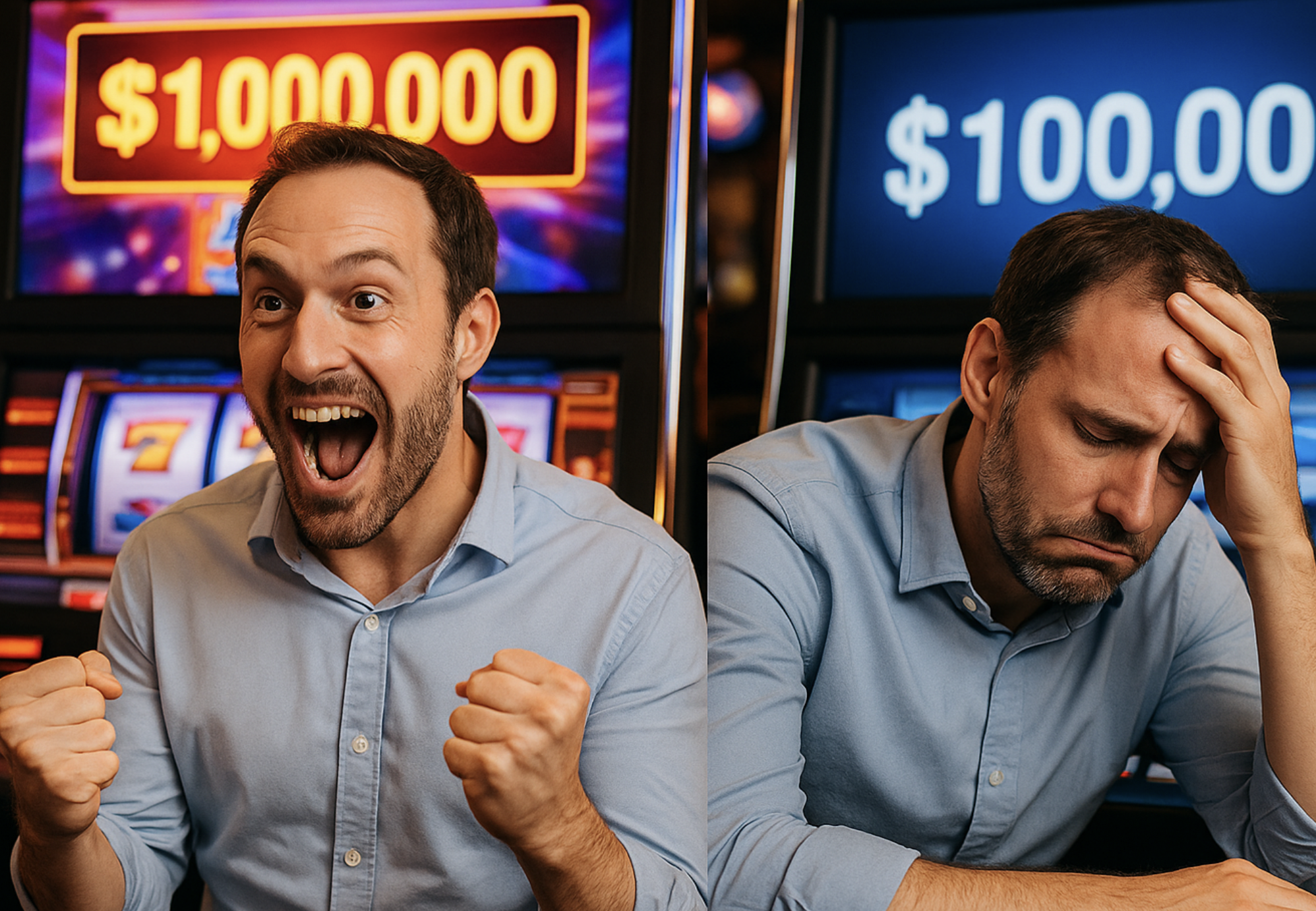
Bipolar disorder is a mental health condition marked by drastic mood shifts. In the manic phase, a person may feel euphoric, overconfident, and invincible. They may talk faster, sleep less, and take more risks. On the flip side, depressive episodes are often marked by exhaustion, sadness, hopelessness, and low motivation.
These mood swings don’t just affect emotions—they influence behaviors, including spending and decision-making. When in a manic state, the brain’s reward center is in overdrive. Gambling, with its flashing lights, instant rewards, and high stakes, becomes extremely attractive. The person may believe they’re on a “lucky streak,” that they can beat the odds, or that consequences simply don’t apply to them.
Why Gambling Feels So Good—Until It Doesn’t
Gambling activates the brain’s dopamine system, giving a rush of pleasure and excitement. For someone in a manic episode, that rush can be even more intense. Even during depressive phases, gambling might provide a temporary escape from painful thoughts or feelings.
But that pleasure comes at a steep cost.
Gambling addiction, also known as gambling disorder, can lead to massive debt, broken relationships, legal trouble, and even thoughts of suicide. For people with bipolar disorder, the risk is compounded. They may not even remember—or understand—why they gambled in the first place. It wasn’t about greed or carelessness. It was a symptom of a deeper, unmanaged mental health issue.
The Struggles with Addiction
Addiction doesn’t discriminate. It can affect anyone, and when it pairs with a mental illness like bipolar disorder, treatment becomes more complicated. A person may seek help for gambling addiction without realizing they also need mental health treatment. Or they may be in denial, blaming their losses on bad luck rather than recognizing a pattern of impulsive behavior fueled by mood instability.
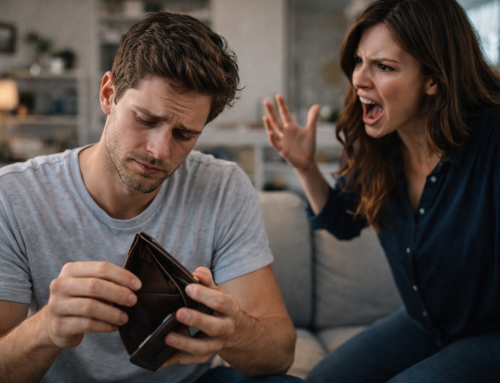
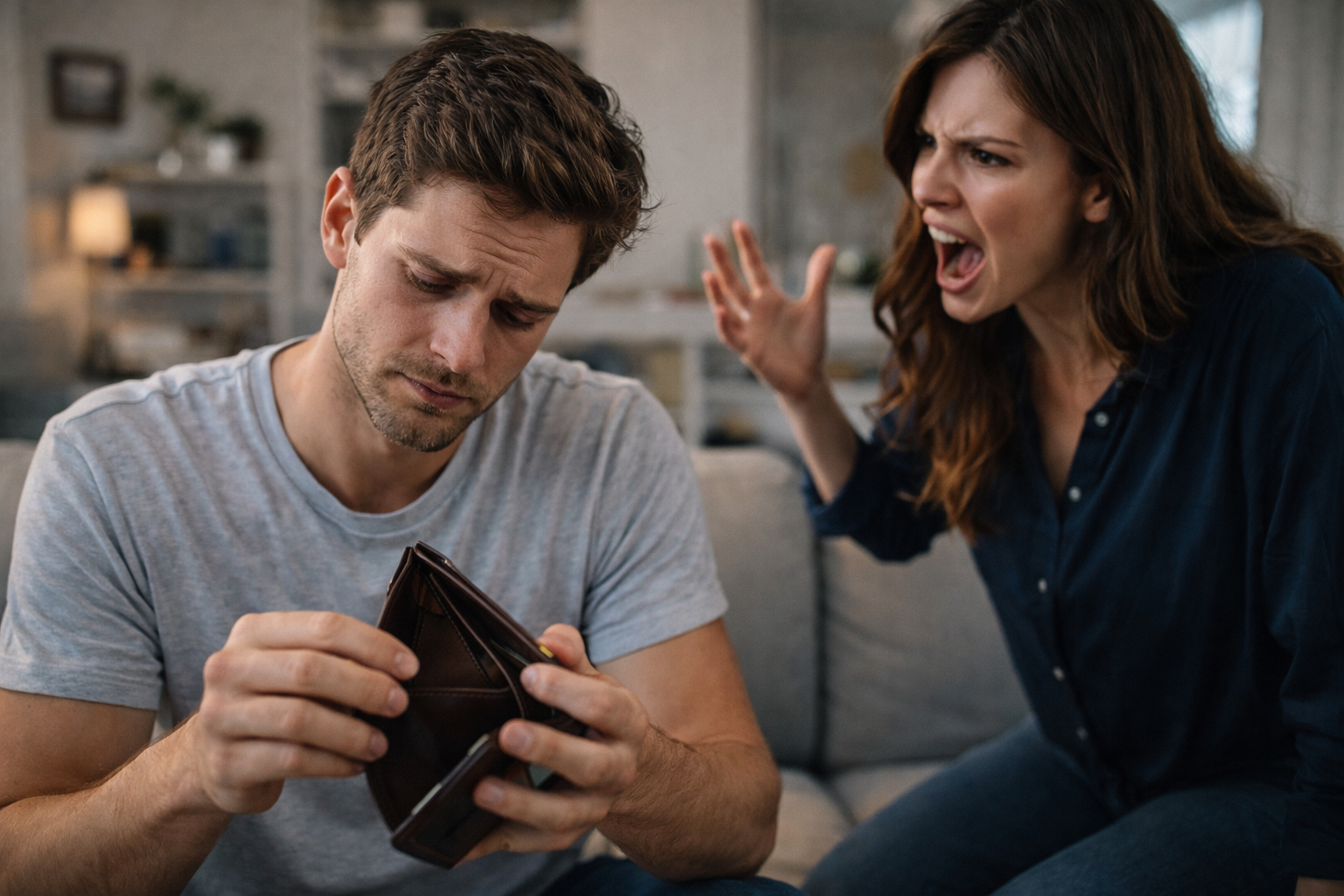
People with both bipolar disorder and gambling addiction often face shame and isolation. They may lie to loved ones, hide their behavior, or sink deeper into depression as consequences pile up. The urge to gamble again becomes a way to “fix” the financial mess—only making things worse.
Why Mental Health Care Is Essential
The key to breaking this cycle is treating the root cause: bipolar disorder.
Mental health treatment isn’t a luxury—it’s a necessity. Managing bipolar disorder through therapy, medication, and support groups can help regulate mood swings and reduce risky behaviors like gambling. Therapists trained in dual diagnosis (treating both addiction and mental illness) can be life-changing. Cognitive Behavioral Therapy (CBT), for example, can help individuals identify triggers, challenge distorted thinking, and develop healthier coping skills.
Treatment centers that specialize in both mental health and addiction offer the best chance for recovery. These programs provide structure, accountability, and a safe space to heal. More importantly, they remind people that they are not alone—and that help is always available.
Breaking the Stigma, Starting the Healing
There is still a lot of stigma surrounding both mental illness and gambling addiction. People may feel weak for needing help or ashamed of past choices. But bipolar disorder isn’t a character flaw, and gambling addiction isn’t just bad behavior. Both are serious medical conditions that require compassion, understanding, and professional care.
If you or someone you love is struggling with bipolar disorder and gambling urges, know this: recovery is possible. Life can be calm, stable, and joyful again. It starts with recognizing the link between mental health and addiction—and taking the brave first step toward healing.
If you or a loved one are struggling with addiction or mental health issues, please give us a call today at 855-952-3546