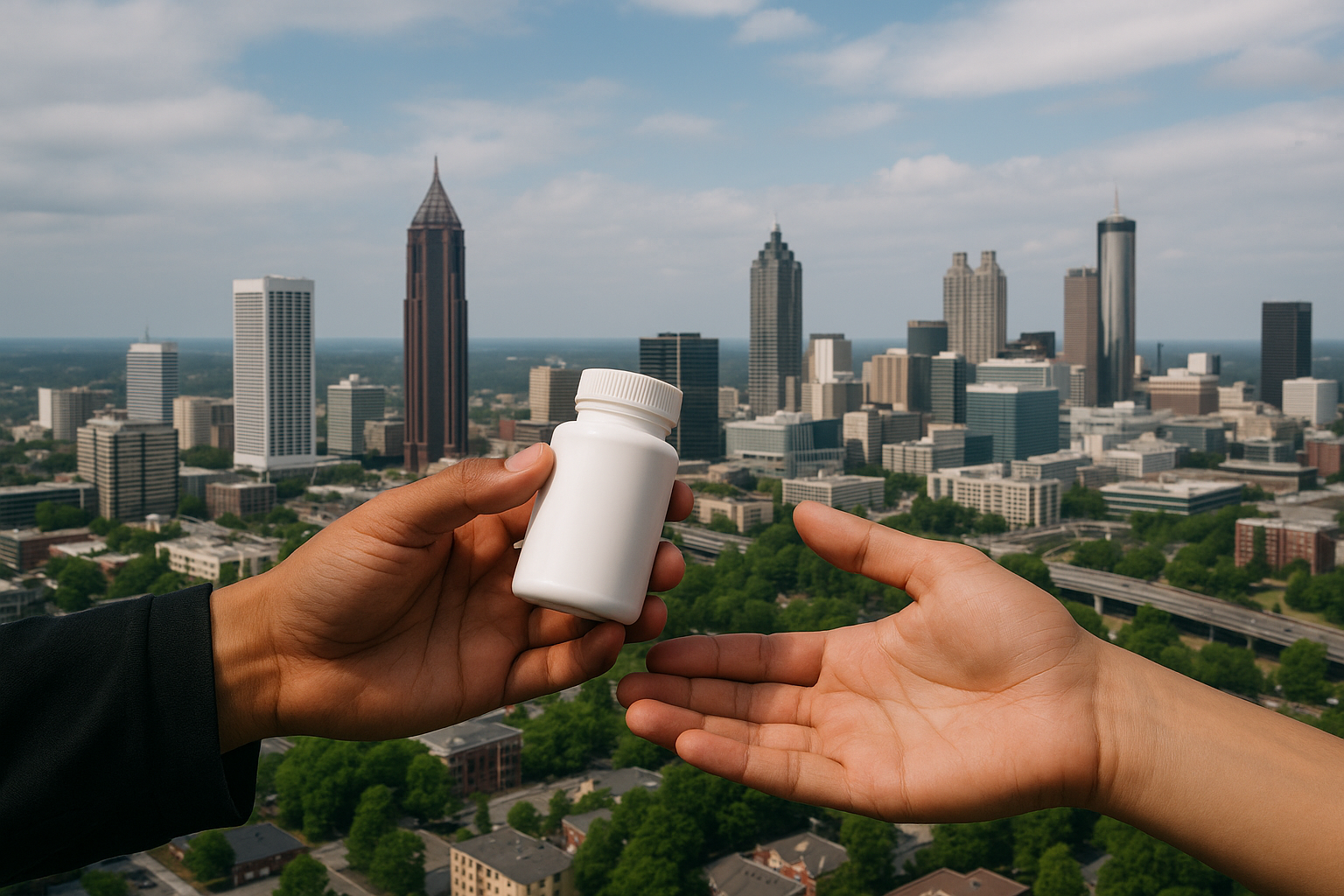
Atlanta’s Battle with Substance Abuse: A Crisis Beneath the Skyline
Atlanta — the beating heart of the South — is known for its booming music scene, historic landmarks, and vibrant communities. Yet beneath the glamour and growth lies a quieter, devastating struggle that’s been claiming lives and destroying families: addiction. From the bustling streets of Buckhead to the quieter suburbs surrounding Fulton and DeKalb County, substance abuse has woven itself into the fabric of everyday life, and the mental health toll is staggering.
The Hidden Epidemic
The Atlanta area has seen a sharp increase in substance use disorders over the past decade, particularly involving opioids, methamphetamine, and prescription drugs. What once seemed like isolated incidents has evolved into a widespread public health crisis. According to the Georgia Department of Public Health, opioid overdose deaths have climbed dramatically in recent years — driven largely by fentanyl, a synthetic opioid up to 50 times stronger than heroin.
But addiction in Atlanta doesn’t stop with opioids. Cocaine and methamphetamine continue to be major players in the region’s drug market. The Georgia Bureau of Investigation reports that meth-related deaths have doubled since 2019. Meanwhile, Atlanta’s nightlife and entertainment culture have given rise to another concerning trend — mixing drugs with alcohol, leading to unpredictable and often deadly results.
Addiction and Mental Health: A Dual Struggle
What makes the Atlanta crisis especially complex is the intersection between substance abuse and mental health. Many individuals struggling with addiction also battle conditions like depression, anxiety, bipolar disorder, or post-traumatic stress disorder (PTSD). For many, drugs become a coping mechanism — a temporary escape from emotional pain or trauma.
Mental health experts refer to this as a dual diagnosis — when someone experiences both a mental illness and a substance use disorder simultaneously. The problem is that one condition often fuels the other. Depression can make recovery harder, while drug use can intensify mental health symptoms. It’s a cycle that too many Atlantans find themselves trapped in, often without proper access to care.
The Role of Trauma in Atlanta’s Addiction Crisis
Trauma plays a powerful role in addiction across the Atlanta area. For many residents, particularly in underserved communities, early exposure to violence, poverty, or unstable home environments creates lasting emotional scars. Without the right mental health resources, individuals may turn to substances as a way to self-medicate.
Atlanta’s growing homeless population also faces significant challenges related to trauma and addiction. A lack of affordable housing, coupled with limited access to mental health treatment, pushes many people into dangerous cycles of dependency. The city’s shelters and outreach programs work tirelessly to bridge this gap, but resources are stretched thin.
The Stigma Still Hurts
Even with rising awareness, stigma remains one of the greatest barriers to recovery. In the South — where cultural norms often emphasize self-reliance and privacy — many people are hesitant to admit they’re struggling. Shame and fear of judgment prevent countless Atlantans from seeking help until their addiction reaches a breaking point.
This stigma extends beyond individuals. Families often avoid talking about addiction, workplaces quietly overlook warning signs, and communities sometimes push the problem out of sight. Changing this narrative requires compassion, education, and open dialogue — treating addiction not as a moral failure, but as a disease that deserves care and understanding.
Treatment and Recovery in the Atlanta Area
Thankfully, Atlanta is also home to a growing number of treatment centers, sober living homes, and support networks committed to saving lives. From inpatient detox programs in Midtown to outpatient therapy centers in Sandy Springs, the city is expanding its approach to recovery.
Modern addiction treatment focuses on addressing the whole person — not just the physical dependence. Cognitive Behavioral Therapy (CBT), group counseling, trauma therapy, and medication-assisted treatment (MAT) are increasingly common in Atlanta rehab centers. The goal is to rebuild not only sobriety but also mental and emotional stability.
Peer support plays a vital role in the recovery process, too. Organizations like Narcotics Anonymous (NA) and Alcoholics Anonymous (AA) have strong presences across Atlanta, offering hope and connection for those who feel isolated in their struggle.
How Mental Health Care Fits In
Addressing addiction without tackling underlying mental health issues is like trying to fix a leak without turning off the water. The two are deeply connected. Atlanta’s most effective recovery programs now integrate mental health care directly into their substance abuse treatment plans.
By offering therapy, psychiatric care, and emotional wellness support, these centers help people heal from the inside out. The message is simple but powerful: recovery isn’t just about quitting drugs — it’s about rediscovering yourself.
A City Searching for Solutions
The path forward for Atlanta involves more than just treatment — it requires community change. Schools need better education programs about mental health and substance abuse. Employers must recognize the value of supporting workers through recovery. Law enforcement and healthcare professionals must continue collaborating to divert people away from jail and toward treatment.
Every neighborhood, from East Point to Alpharetta, has a role to play in breaking the cycle. By promoting empathy, awareness, and early intervention, Atlanta can begin to turn the tide on addiction and restore hope to thousands of families.
Final Thoughts
The addiction crisis in the Atlanta area is not just a health issue — it’s a human issue. Every statistic represents a person, a family, and a story that deserves to be heard. Substance abuse doesn’t discriminate; it affects people from every background, race, and income level.
But there is hope. With expanding mental health awareness, better treatment resources, and a growing sense of community responsibility, Atlanta has the potential to become a leader in recovery and wellness. The journey is long, but it begins with one simple truth: no one has to fight addiction alone.
If you or a loved one are struggling with addiction or mental health issues, please give us a call today at 855-952-3546