In today’s fast-paced world, it feels like there’s an app for everything. Need a ride? Open an app. Want food delivered? Open another. Feeling anxious, stressed, or depressed? Yep—there’s an app for that too. Over the past few years, mental health apps have exploded in popularity, promising to help users manage everything from anxiety and depression to insomnia and panic attacks. But as these digital tools become more common, a big question looms: Are they actually effective?
First, let’s talk about why mental health apps have gained so much traction. One obvious reason is accessibility. Therapy and counseling can be expensive, and it’s not always easy to find a qualified mental health professional, especially in rural or underserved areas. Apps break down those barriers. In just a few taps, users can access meditation exercises, mood trackers, breathing techniques, and even virtual therapy sessions—all from the comfort of their own homes.
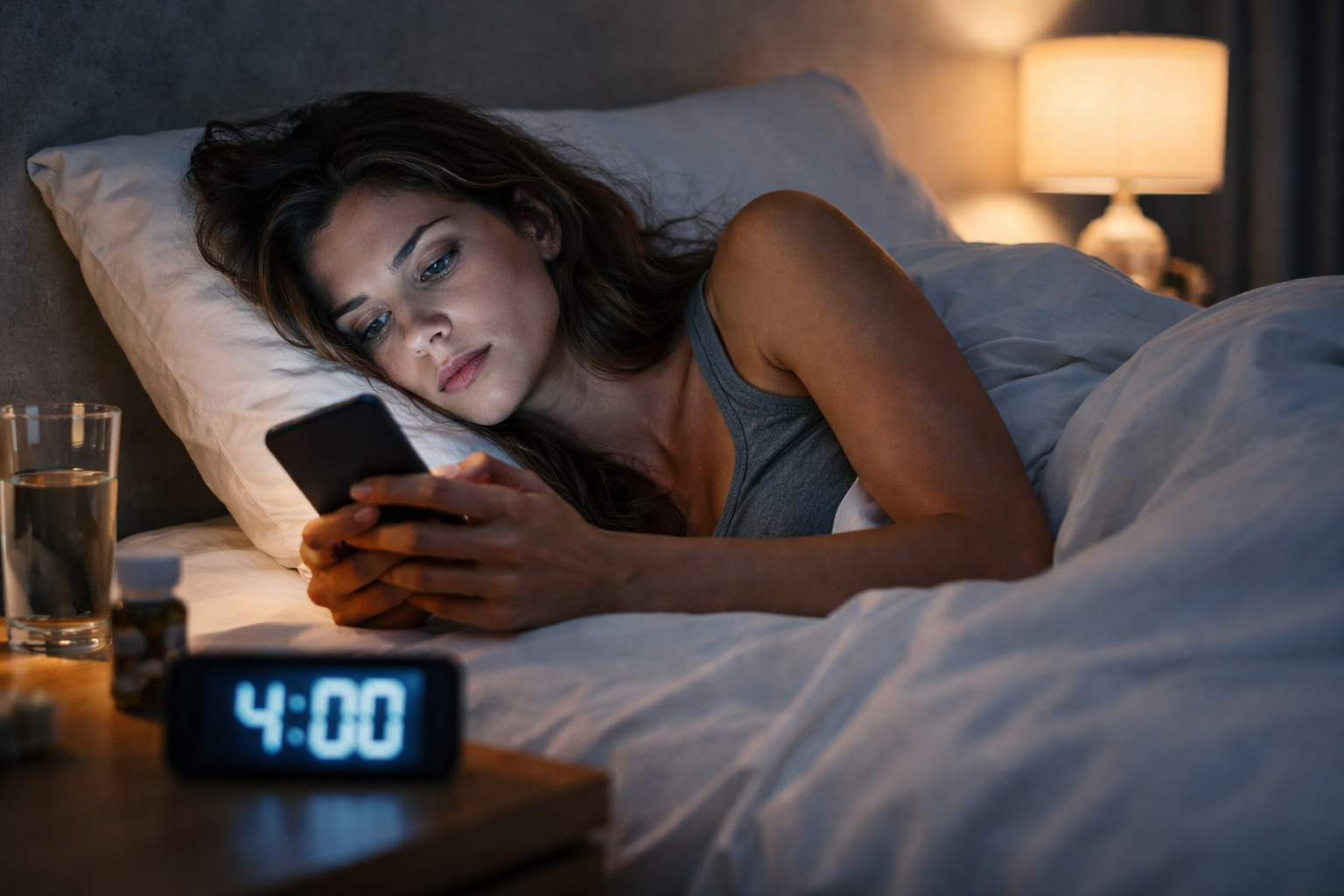
The convenience factor is hard to overstate. Feeling stressed during a work meeting? Open your app and do a one-minute breathing exercise. Struggling to fall asleep? Turn on a guided meditation. It’s instant support, anytime, anywhere, without needing to wait days or weeks for an appointment. For people who might otherwise suffer in silence, these apps offer a lifeline.
Another major draw is the privacy they provide. Some people hesitate to seek help because they fear judgment or stigma. Using an app is discreet. There’s no waiting room, no awkward conversations, and no insurance paperwork. It feels safe. It feels private. And sometimes, that feeling alone is enough to help someone take the first step toward healing.
But here’s the thing: while mental health apps offer real benefits, they aren’t magic wands. Their effectiveness often depends on how they are used and what a person actually needs. Some apps are fantastic for building daily habits like meditation or journaling, which are proven to improve mood over time. Others provide cognitive behavioral therapy (CBT) techniques that can help users reframe negative thoughts. For mild to moderate symptoms, many people find real relief through consistent use.
However, not all apps are created equal. Some are designed by mental health professionals with evidence-based methods. Others are thrown together by tech startups looking to cash in on a booming market. Without any real regulation, it’s hard for users to tell the difference. A flashy interface doesn’t necessarily mean the science behind it is sound. And if someone with serious mental health struggles relies solely on an app instead of seeking professional help, it can delay the treatment they genuinely need.
Another limitation is that apps can’t offer the human connection that traditional therapy provides. Talking to a real person—someone who listens, empathizes, and adapts to your needs in real-time—is hard to replicate with artificial intelligence or pre-programmed exercises. Mental health challenges are deeply personal, and while apps can help users cope day-to-day, they often can’t replace the nuanced care that comes from a skilled therapist.
So, are mental health apps effective? The short answer is: they can be, but with some important caveats. If you’re looking for tools to manage daily stress, build healthy habits, or complement traditional therapy, mental health apps can be incredibly helpful. They can make mental health care more accessible, less intimidating, and more routine. But they should be seen as one part of a bigger toolkit—not the whole solution.
As the mental health conversation continues to grow, the future of these apps looks bright. Hopefully, more research and better regulation will help separate the genuinely helpful tools from the trendy distractions. In the meantime, if you’re considering using a mental health app, the best approach is to be mindful, critical, and open to combining it with other forms of support if needed.
After all, when it comes to your mental health, you deserve more than a quick fix—you deserve real care.
If you or a loved one are struggling with addiction or mental health issues, please give us a call today at 855-952-3546