In today’s opioid crisis, one small nasal spray has become a mighty lifesaver. It’s called naloxone, and while the name may sound unfamiliar to some, this medication has quietly become one of the most effective tools we have in the fight against fatal overdoses. Fast-acting, accessible, and easy to use, naloxone is designed to do one simple but vital thing: reverse the effects of an opioid overdose and give someone a second chance at life.
Opioids—whether prescription painkillers or street drugs like heroin and fentanyl—are depressants. When someone takes too much, the drug slows down their breathing to dangerous levels, often to the point of unconsciousness or even death. Naloxone, commonly known by the brand name Narcan, blocks the effects of opioids on the brain’s receptors. In many cases, it can wake someone up within minutes and restore normal breathing. That kind of reversal doesn’t just help—it saves lives.
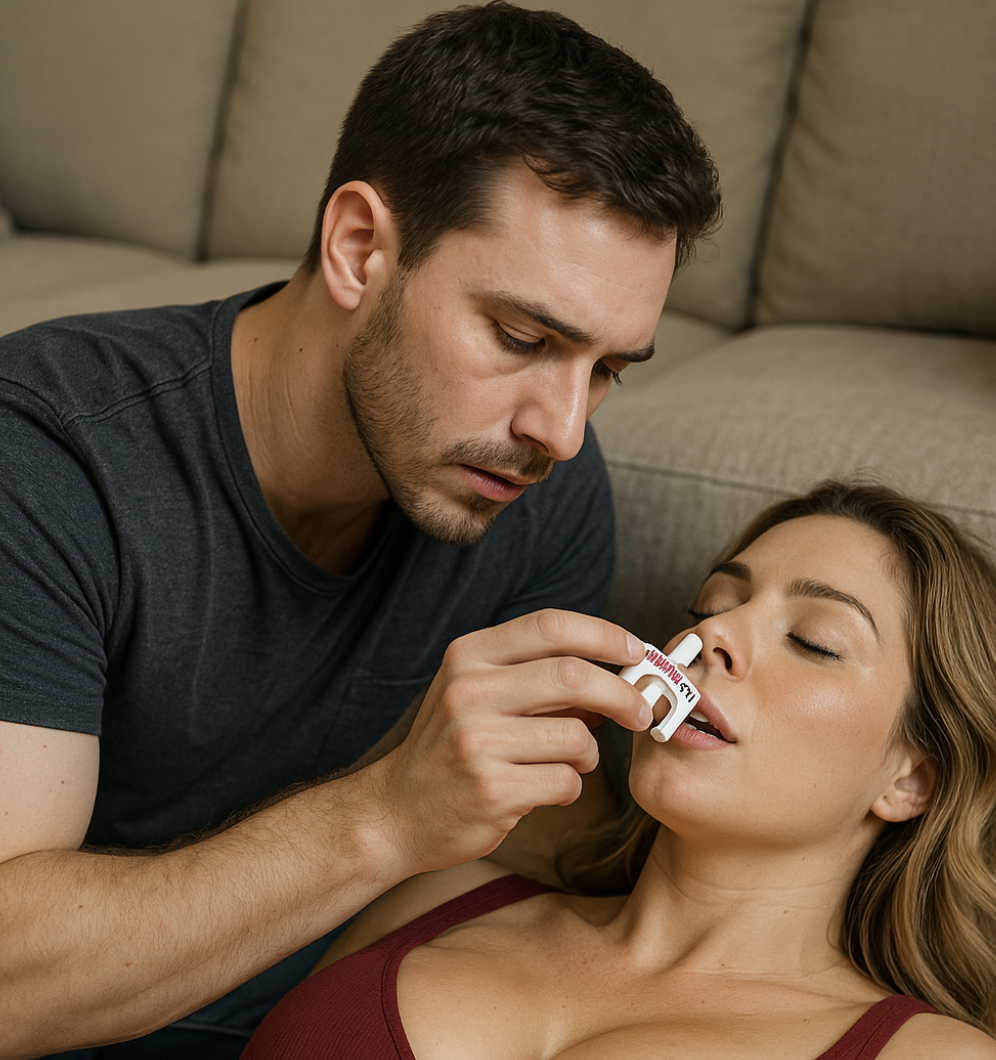
What makes naloxone even more remarkable is how simple it is to administer. With the nasal spray version now widely distributed across the country, even a bystander with no medical training can step in during a crisis. Just spray it into the person’s nostril, wait, and if needed, repeat. The ease of use and fast action make naloxone a powerful tool for family members, friends, and even strangers to carry—especially if they know someone at risk of opioid use or overdose.
As more states recognize the value of naloxone, access has increased. It’s now stocked in schools, libraries, public restrooms, and even vending machines in certain cities. Many law enforcement officers, firefighters, and EMTs carry it on duty. Pharmacies often offer it without a prescription, a major shift from a few years ago when it was mostly limited to medical professionals. These efforts reflect a growing awareness: overdoses can happen anywhere, to anyone, and time is critical.
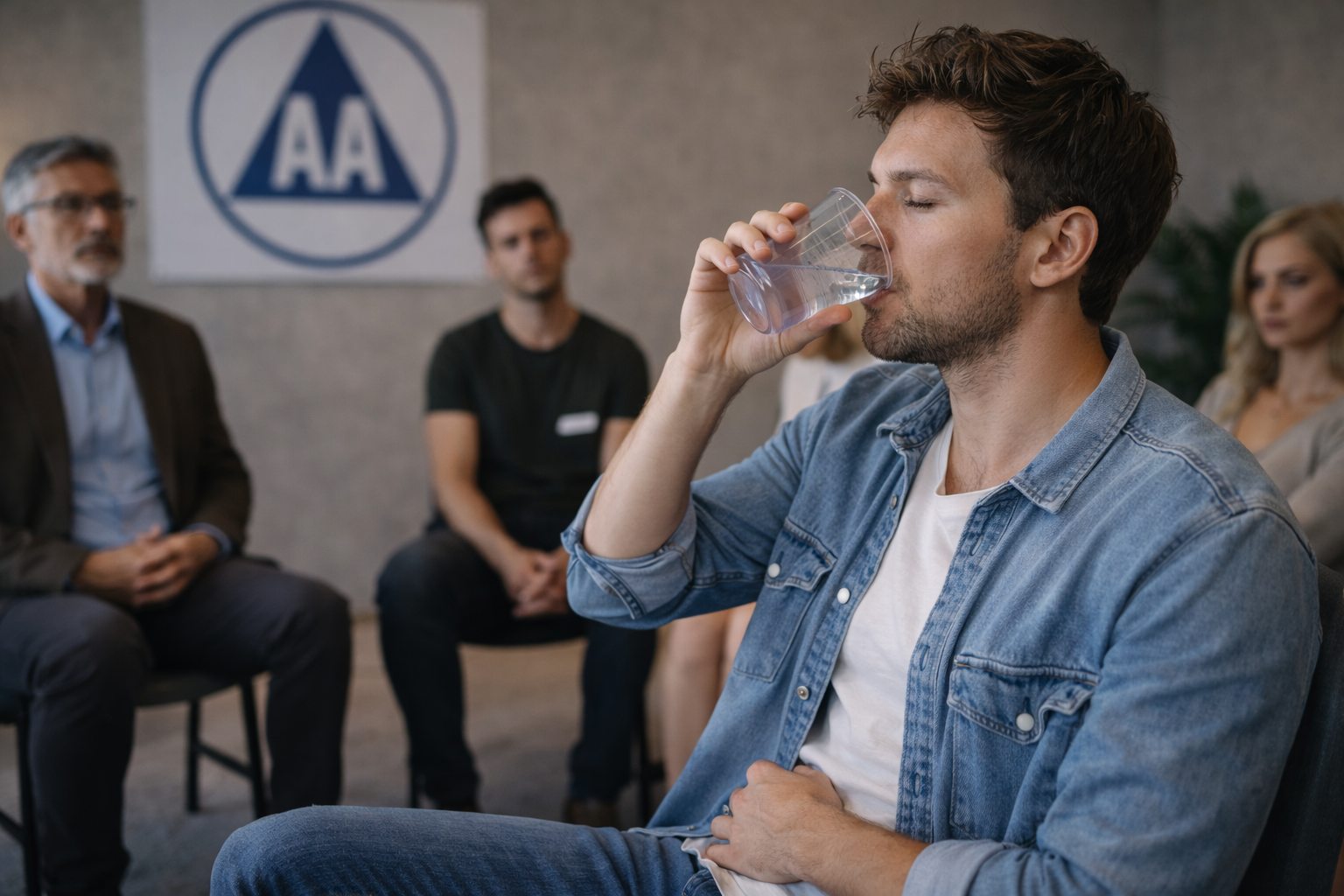
But the presence of naloxone does more than just reduce death rates—it opens the door to recovery. Reversing an overdose doesn’t fix addiction, but it gives someone the chance to seek treatment. Each life saved is another opportunity for healing, change, and support. That’s why pairing naloxone availability with strong addiction treatment programs is crucial. Saving a life is step one; helping someone reclaim it is step two.
Some critics argue that naloxone enables addiction by acting as a safety net. But this view misses the point. Addiction is a chronic, complex illness—not a series of bad decisions. Just as a defibrillator doesn’t encourage heart disease, naloxone doesn’t encourage drug use. It simply provides a chance to survive. And in the middle of an epidemic that kills tens of thousands every year, survival is non-negotiable.
Families across the country are beginning to recognize this. Parents now carry naloxone in their cars. College campuses distribute it in dorms. Community groups offer free training sessions. These quiet but powerful acts are changing the way we view addiction—from shame and silence to preparation and compassion.
Naloxone doesn’t cure addiction, and it doesn’t end the opioid crisis on its own. But it gives people the gift of time—time to choose recovery, to reconnect with loved ones, to get help. And in the darkest of moments, it shines a light toward a possible future.
In a world where overdose deaths continue to rise, naloxone offers hope. It’s more than a spray—it’s a second chance, a heartbeat regained, a life not lost. Carrying naloxone might feel like a small act, but in reality, it’s one of the biggest. It says: your life matters, and someone cares enough to save it. Isn’t that what we all deserve….
If you or a loved one are struggling with addiction or mental health issues, please give us a call today at 855-952-3546