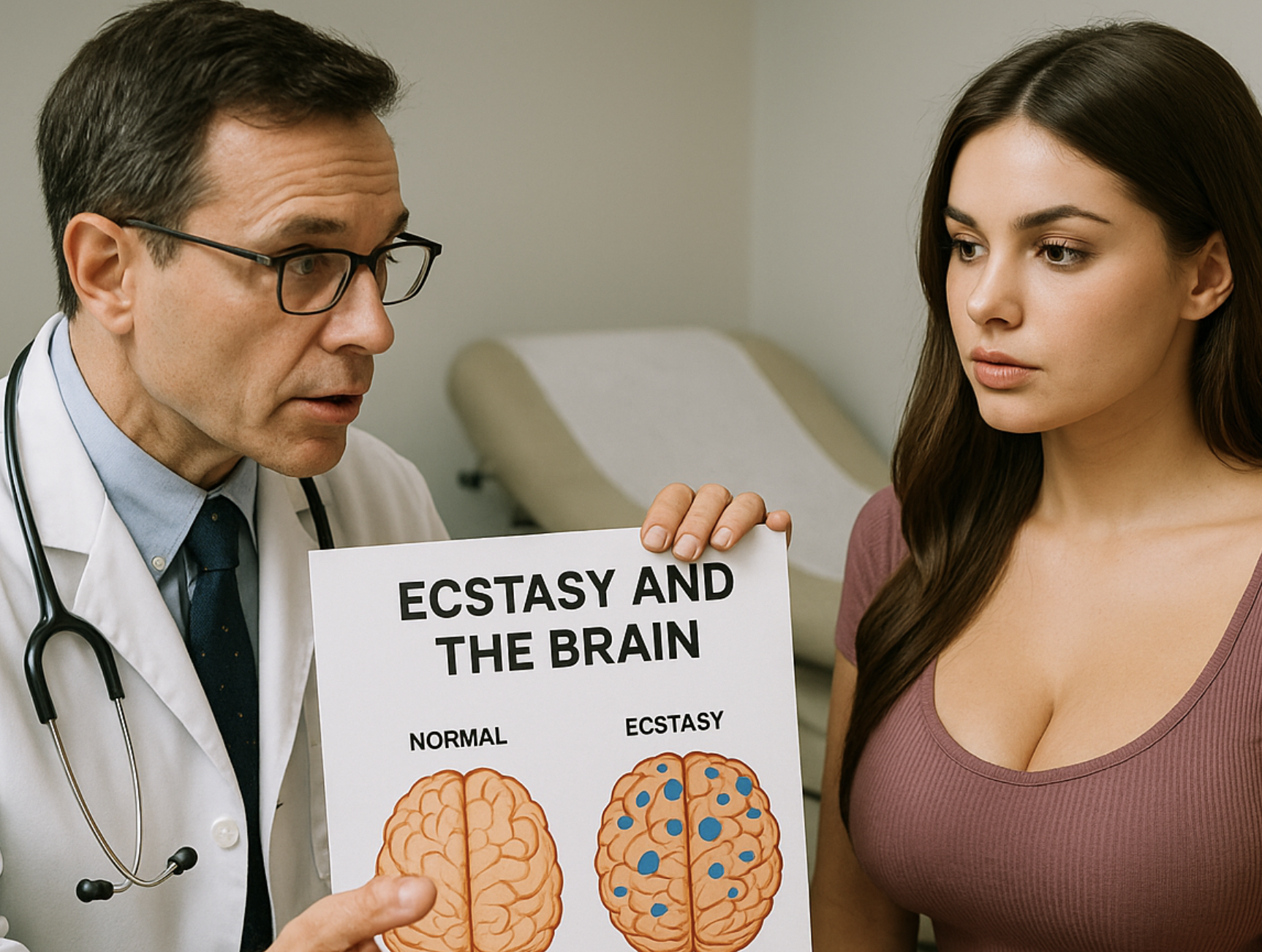
Ecstasy, also known as MDMA, has long been associated with nightclubs, music festivals, and a sense of euphoric escape. For some, it’s seen as a harmless party drug that boosts energy, heightens emotional connection, and enhances sensory perception. But what starts as a weekend high can evolve into something far more serious—a dangerous relationship with a drug that can alter the way your brain works for good.
At its core, ecstasy floods the brain with serotonin, the “feel-good” chemical that regulates mood, sleep, and appetite. That’s what makes users feel intense happiness, emotional closeness, and energy after taking it. But the brain doesn’t produce an unlimited supply of serotonin. Once ecstasy dumps it all at once, there’s very little left in the aftermath. This can lead to an emotional crash that leaves people feeling depressed, anxious, and mentally foggy.
Over time, repeated use of ecstasy can damage the very serotonin system it targets. The brain starts to struggle with making and releasing enough serotonin naturally, which can lead to chronic mood issues. This is where long-term brain effects really start to show. People who use ecstasy regularly often report lasting problems with memory, focus, and emotional regulation—even when they stop taking the drug.
One major issue is that ecstasy doesn’t just deplete serotonin—it can physically damage the neurons that produce it. That’s like burning the fuse and then smashing the lightbulb. Brain scans of long-term users sometimes show changes in brain structure, especially in areas related to decision-making, learning, and impulse control. It’s no surprise that many people who abuse ecstasy also develop symptoms of anxiety and depression that persist long after their last pill.
Another long-term consequence is something researchers call “cognitive impairment.” It’s a fancy way of saying your brain doesn’t function the way it used to. Tasks that once felt easy—like remembering names, concentrating in class, or staying mentally organized—become more difficult. Even though some users believe ecstasy only causes temporary problems, studies have shown that this damage can last for years or become permanent in heavy users.
And while ecstasy might seem safer than harder drugs like heroin or meth, the truth is it’s often laced with other substances. Pills sold as ecstasy may contain methamphetamine, bath salts, or unknown synthetic chemicals. These ingredients only increase the risk of long-term brain damage, seizures, or even death.
There’s also the emotional toll. People who regularly use ecstasy may feel emotionally flat or numb during sober periods. The same brain pathways that once lit up during a hug, a joke, or a favorite song just don’t respond the same anymore. That loss of emotional connection can leave people feeling isolated, irritable, or hopeless.
If all that sounds bleak, here’s the good news: the brain is resilient. Recovery is possible, especially for those who stop using early and seek treatment. Therapies like counseling, support groups, and holistic brain health strategies can help people regain emotional balance and improve cognitive function. It might take time and effort, but healing can happen.
Ecstasy might promise temporary bliss, but the long-term effects aren’t worth the price. The brain is one of your most valuable assets—once it’s damaged, rebuilding it takes far more than a weekend off. If you or someone you know is struggling with ecstasy use, reaching out for help is a powerful first step toward reclaiming a healthy, happy future.
If you or a loved one are struggling with addiction or mental health issues, please give us a call today at 855-952-3546