When words fall short, creativity steps in. Art and music therapy have become powerful tools in the world of mental health, helping people express themselves, manage emotions, and find healing. These therapies don’t require you to be the next Picasso or Mozart. Instead, they offer a safe, nonjudgmental space to explore thoughts and feelings that may be too complex or painful to verbalize.
Art Therapy: Healing Through Expression
Art therapy uses drawing, painting, sculpting, and other creative outlets to help people communicate. For many, trauma, anxiety, or depression can make verbal expression incredibly difficult. Art allows individuals to channel emotions into something tangible. Whether it’s sketching out a chaotic thought or painting a calm landscape to reflect inner peace, the act of creating becomes a therapeutic process.
This kind of therapy can reveal hidden emotions. A therapist might ask a patient to draw a memory or depict how they feel using color and shapes. The goal isn’t to critique the work, but to interpret it and understand the deeper message behind it. Even scribbles can reveal tension, sadness, or confusion that might not come out during a traditional therapy session.
Art therapy is especially effective for children and teens, who may not yet have the language to explain their emotions. It’s also helpful for people with PTSD, eating disorders, or those recovering from addiction—where trauma often plays a key role in the healing journey.
Music Therapy: The Soundtrack of Recovery
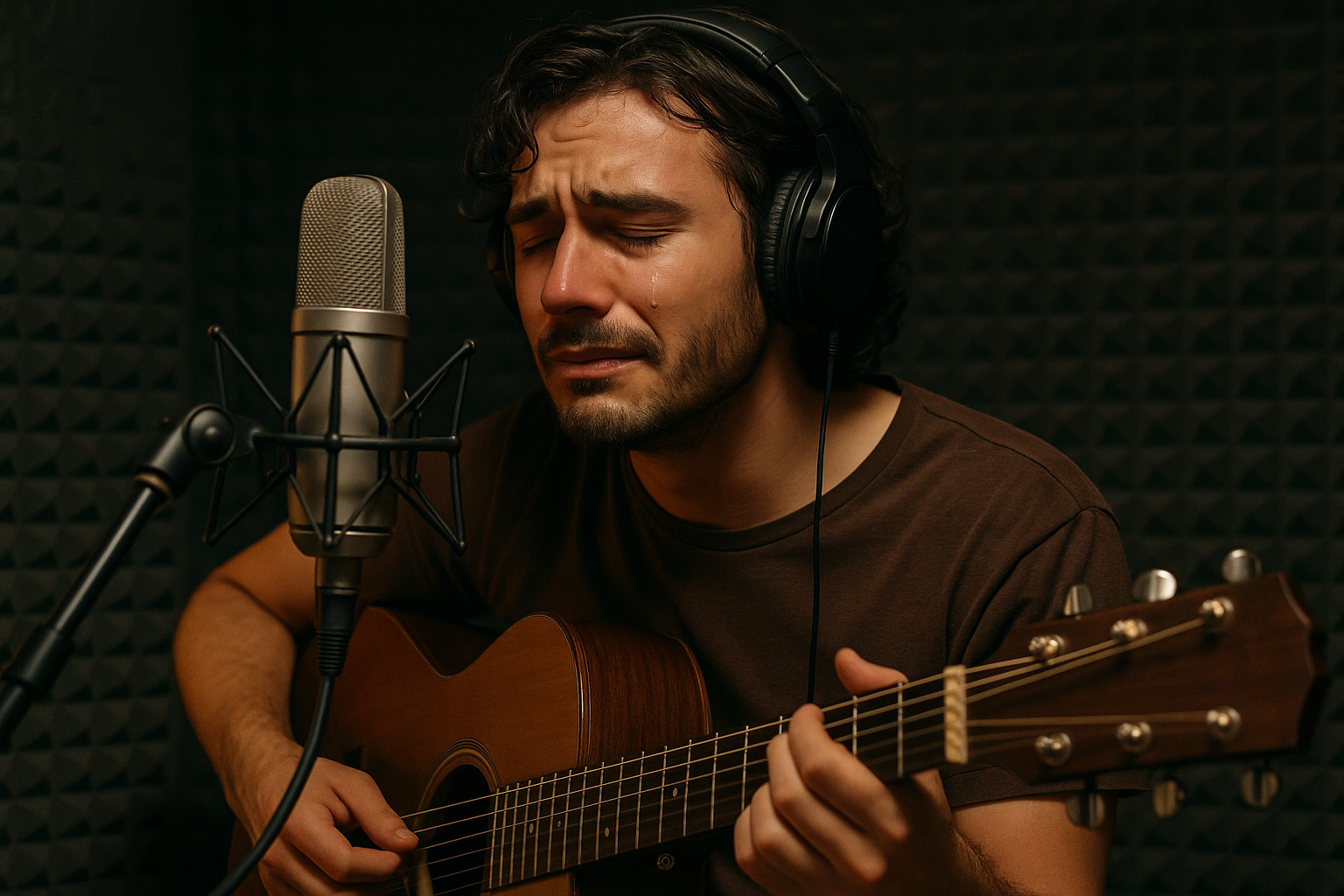
Music therapy works similarly, using sound and rhythm to tap into emotions. It can involve listening to music, writing lyrics, singing, or playing instruments. Some sessions may be structured around guided relaxation or improvisation. No matter the format, music helps patients connect with themselves on a deep emotional level.
Have you ever heard a song that immediately made you cry, smile, or remember something vivid? That’s the power of music. It reaches parts of the brain that other therapies don’t always touch. In fact, music can regulate heart rate, reduce stress, and boost mood—making it a great tool for those struggling with anxiety or depression.
Music therapy is also effective in group settings. Playing drums with others, for example, builds connection, trust, and a sense of belonging. For people feeling isolated or hopeless, that sense of unity can be a breakthrough.
Why These Therapies Work
Art and music therapy work because they engage the brain in different ways than traditional talk therapy. They help access the subconscious, encourage mindfulness, and promote emotional release. There’s no pressure to “get it right,” which is often a barrier in traditional therapy. It’s not about perfection—it’s about process.
Both forms of therapy also help develop coping skills. For someone recovering from trauma or addiction, learning to paint or play music can become a healthy outlet when stress hits. Instead of turning to harmful behaviors, they can turn to a sketchpad or a guitar.
Moreover, art and music therapies are adaptable. They can be used in hospitals, schools, treatment centers, and even in the comfort of home. You don’t need expensive equipment—just an open mind and a willingness to try.
A Creative Path to Healing
Mental healing is rarely a straight road, and sometimes traditional therapy isn’t enough on its own. That’s where art and music therapy shine. They offer new ways to explore the self, process pain, and rebuild joy. You don’t have to be an artist or a musician. You just have to be human—and open to healing.
So if you’re feeling stuck, overwhelmed, or emotionally drained, try picking up a brush or turning on your favorite song. You might be surprised how quickly creativity can become your greatest therapist.
If you or a loved one are struggling with addiction or mental health issues, please give us a call today at 855-952-3546