The fentanyl epidemic has carved a devastating path across the United States, infiltrating cities, suburbs, and rural towns with deadly consequences. This synthetic opioid—50 times more potent than heroin—has become the leading cause of overdose deaths, silently claiming lives and tearing families apart. While the crisis often feels overwhelming, communities across the country are proving that change is possible when addiction, mental health, and recovery are addressed with unity and compassion.
Understanding the Crisis
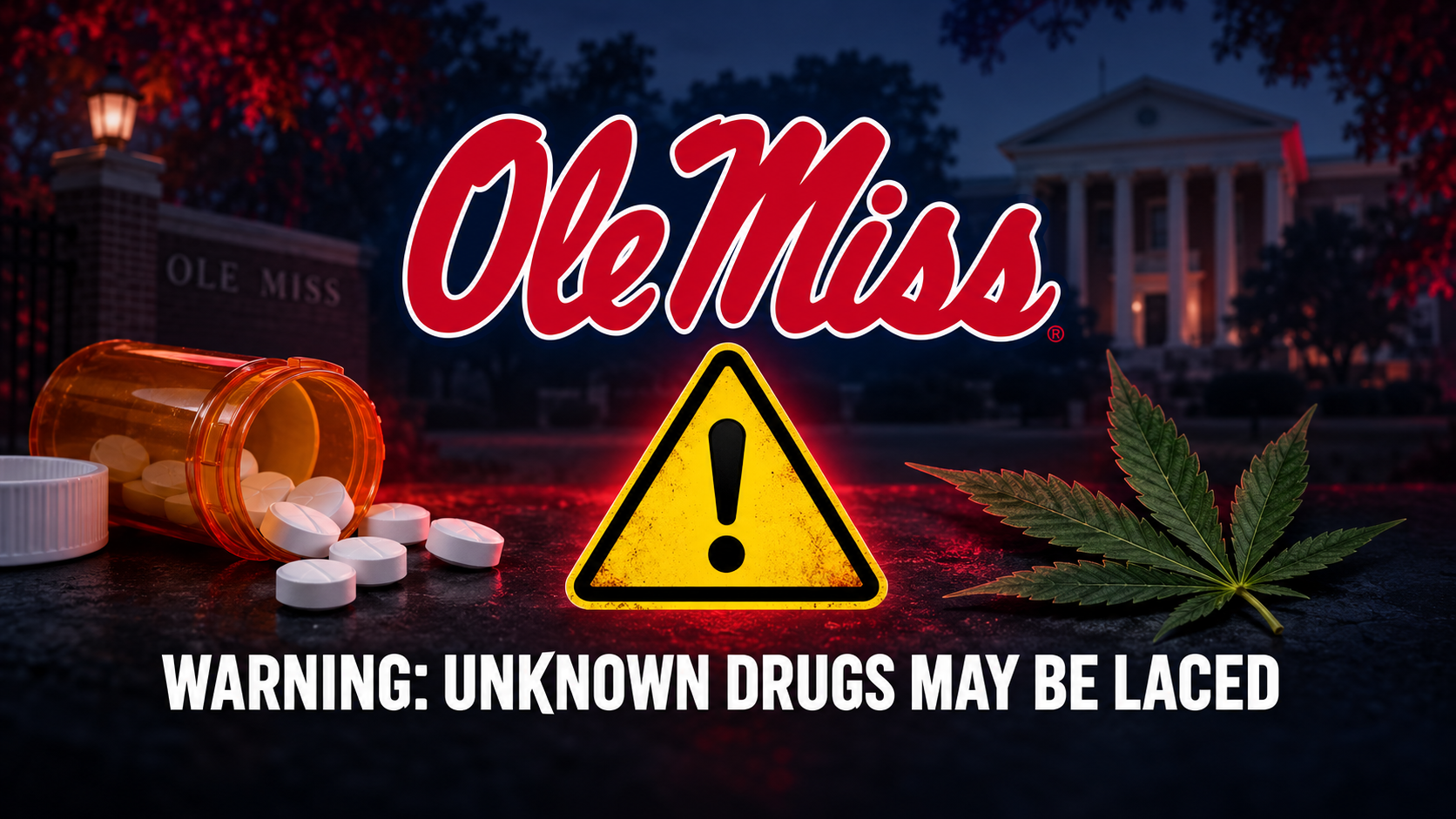
Fentanyl’s rise in popularity isn’t due to public demand—it’s due to accessibility and stealth. Drug dealers often lace other substances like cocaine, heroin, and counterfeit pills with fentanyl to increase potency and profits. This deadly mix puts unsuspecting users at risk, especially those struggling with addiction who are unaware of what they’re taking.
Addiction doesn’t happen in a vacuum. Many individuals who turn to drugs are battling deeper mental health struggles—depression, anxiety, trauma, and feelings of hopelessness. When someone is suffering and lacks access to therapy, community support, or even basic emotional understanding, substances like fentanyl become a temporary escape from pain. But that escape is often fatal.
The Mental Health Connection
Mental health and addiction are tightly intertwined. Depression can lead someone down the road of drug use, and in turn, drug use can worsen depression. It’s a vicious cycle that only breaks when both the addiction and the underlying emotional wounds are treated together.
One of the biggest failures of our society is the stigma around both mental illness and substance use. Instead of offering support, we often shame people for their suffering. This silence breeds isolation, and isolation can kill. That’s why education and open conversation around these issues are more critical than ever.
Community Action: How We Fight Back
1. Education and Awareness Campaigns
Knowledge saves lives. Schools, churches, and local organizations are beginning to host fentanyl awareness seminars, distributing information about the dangers of synthetic opioids and how to recognize signs of overdose. Campaigns that normalize discussions about depression, therapy, and recovery also help people seek help without shame.
Some communities are now offering fentanyl test strips and public demonstrations on how to use Narcan (naloxone), a life-saving medication that reverses opioid overdoses. When you give people tools, you give them hope—and a fighting chance.
2. Mental Health and Addiction Treatment Integration
In the past, mental health and addiction treatment were treated separately. Now, the most successful approaches are integrated. Recovery centers that offer both therapy and medication-assisted treatment (MAT) are seeing higher success rates.
Community-based organizations, such as recovery clinics and crisis response teams, should prioritize dual diagnosis care—support for both addiction and co-occurring mental health disorders. Therapy helps individuals unpack the root causes of their addiction, while ongoing counseling offers coping skills for staying sober and managing depression.
3. Accessible Treatment Options
Barriers like cost, lack of transportation, and long waitlists often prevent people from getting help. Local leaders and nonprofit groups must work to expand affordable and accessible treatment programs. Mobile clinics, teletherapy services, and community-funded detox centers are making progress in places once underserved.
The more available treatment becomes, the fewer people fall through the cracks.
4. Support Groups and Peer Recovery
One of the most powerful tools in recovery is human connection. Support groups like Narcotics Anonymous, SMART Recovery, and therapy-based group sessions provide individuals with a sense of belonging. Peer support workers—people who’ve walked the same road and are now in recovery—can guide others through the darkest moments with empathy and understanding.
These programs don’t just help individuals; they strengthen entire communities by replacing isolation with inclusion.
5. Youth Engagement and Prevention
Early intervention is key. Mental health programs in schools, after-school activities, mentorship initiatives, and education about emotional regulation can reduce the risk of youth turning to drugs. When young people are equipped with coping skills and surrounded by positive role models, they’re less likely to seek comfort in a pill.
6. Community Compassion Over Judgment
Punishment alone won’t stop the fentanyl crisis. Compassion will. Instead of criminalizing addiction, communities are beginning to invest in restorative programs that emphasize treatment over jail time. Police departments are partnering with mental health professionals, and some cities have introduced “sobriety centers” as alternatives to jail for those caught using.
Changing the culture from one of judgment to one of healing is essential for long-term recovery.
A Call to Unity – Jonesboro, GA 30236
Fighting fentanyl isn’t just about stopping a drug—it’s about healing a society. Addiction, depression, and trauma are symptoms of deeper emotional wounds that require attention, therapy, and support. When families, schools, healthcare providers, and local governments come together, they can build a safety net that catches people before they fall too far.
Community isn’t just where we live. It’s who we fight for. Together, we can create a world where people struggling with addiction and mental illness aren’t left behind—but are lifted up, treated, and loved back into wholeness.
Life is short. Sobriety is possible. And every community has the power to save lives—one person at a time.
If you or a loved one are struggling with addiction or mental health issues, please give us a call today at 855-952-3546