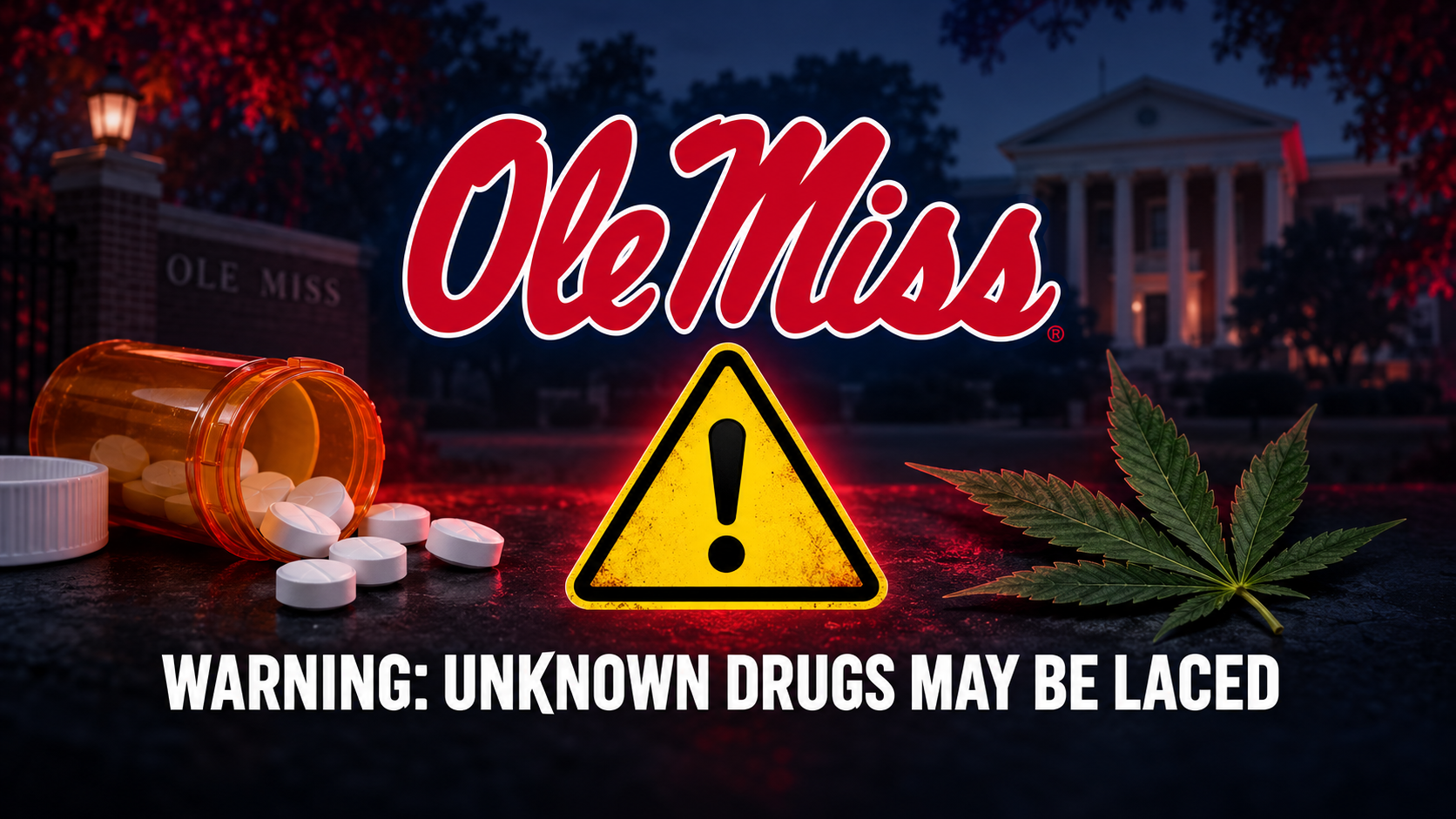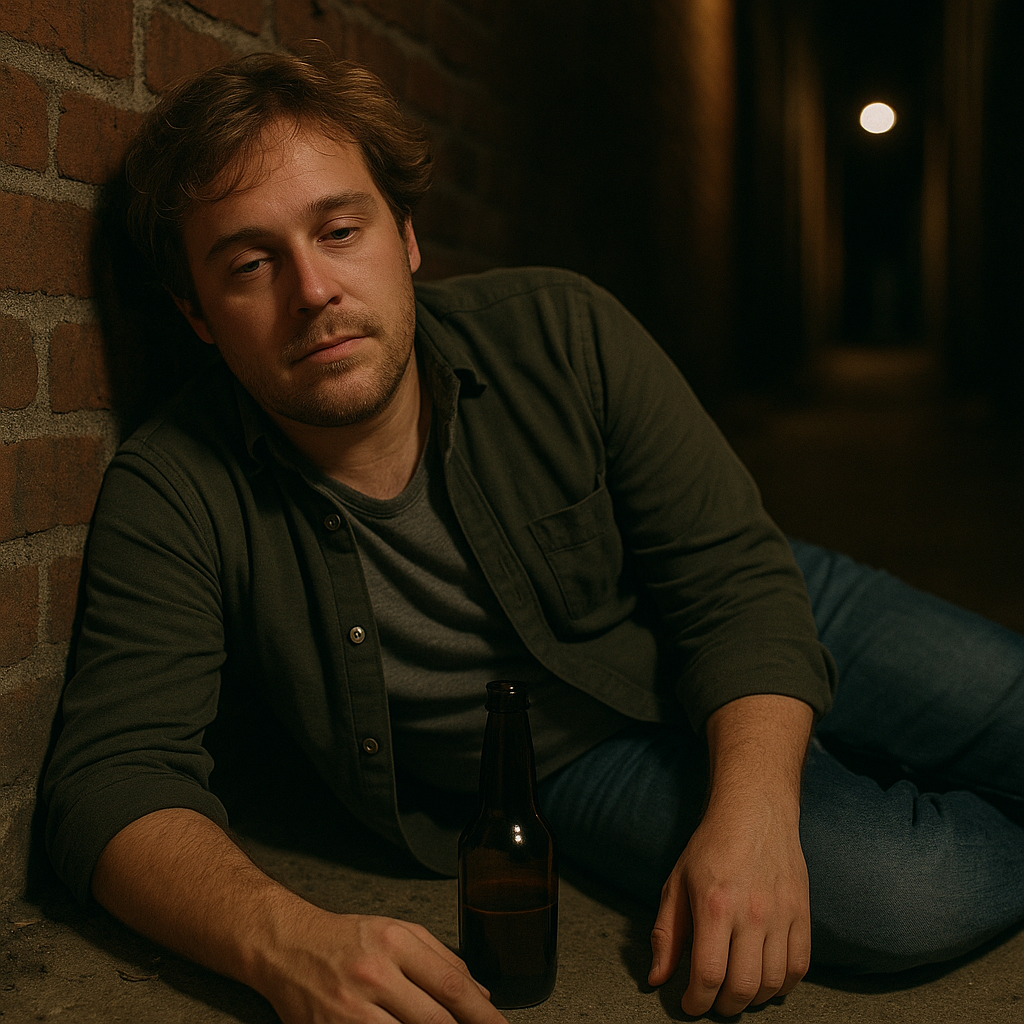
Fentanyl is one of the deadliest drugs in the world—and it’s everywhere. It’s sneaking into street pills, lacing other substances, and catching people off guard. One tiny amount, barely the size of a grain of sand, can be lethal. The scary part? Many people who overdose on fentanyl don’t even know they took it.
This isn’t just about a drug. This is about lives being lost, families being torn apart, and people struggling with addiction and mental health issues who need help—real help.
Why Fentanyl Is So Dangerous
Fentanyl is a synthetic opioid originally designed to treat severe pain. It’s 50 to 100 times more powerful than morphine. For people with cancer or post-surgery pain, it can be life-saving. But on the streets, it’s a different story. Drug dealers mix fentanyl into heroin, cocaine, and even counterfeit pills because it’s cheap and super strong. The problem? It’s nearly impossible to tell if something is laced with fentanyl just by looking at it.
Overdose can happen within seconds. Breathing slows, the heart rate drops, and unconsciousness kicks in. Without quick action—like administering Narcan—death can follow.
It’s Not Just “Hardcore” Addicts
There’s a dangerous misconception that fentanyl only affects people who are deeply addicted or living on the streets. That’s not true. College students, athletes, moms, teens—fentanyl doesn’t discriminate. Some people die after taking just one pill at a party. Others are trying to manage emotional pain, stress, or trauma and end up with something far more dangerous than they expected.
Addiction doesn’t always look like the stereotype. Many people struggling with opioids or other substances are working jobs, raising kids, and trying to function. They’re often battling anxiety, depression, PTSD, or unresolved trauma, and fentanyl becomes a deadly detour in their search for relief.
Mental Health and the Spiral
Fentanyl overdoses are not just a drug problem—they’re a mental health crisis. People don’t turn to dangerous substances because life is going great. Addiction often starts as a way to cope. The pain inside—emotional, psychological, or even physical—leads people to seek numbness or escape. Fentanyl promises that escape, fast. But what starts as a way to feel better ends in a nightmare.
Sobriety isn’t just about saying no to drugs. It’s about saying yes to healing, therapy, support, and connection. When people feel hopeless or alone, their risk of overdose skyrockets. That’s why recovery must focus on the whole person—not just the addiction, but the pain underneath it.
How to Prevent Fentanyl Overdoses
Preventing fentanyl overdoses starts with awareness and action. Here’s what can help:
- Narcan (Naloxone) Saves Lives
Narcan is a nasal spray that can reverse an opioid overdose. It’s easy to use and widely available in many states without a prescription. Carrying it doesn’t mean you’re planning on using drugs—it means you’re prepared to save a life. - Fentanyl Test Strips
These strips can detect fentanyl in pills or powder before use. It’s not foolproof, but it gives people a chance to make safer decisions. - Education and Open Conversations
Talking about addiction, mental health, and overdose risks removes stigma. People are more likely to seek help when they don’t feel judged or shamed. - Access to Treatment
Recovery centers, therapy, support groups—these are lifelines. Treatment gives people the tools to build a life that doesn’t revolve around substances. Whether it’s inpatient rehab, outpatient counseling, or sober living, everyone deserves a second chance. - Mental Health Support
Many people with substance use disorders are dealing with depression, anxiety, trauma, or other mental health conditions. Treating these issues is just as important as stopping drug use. In fact, it’s often the key to lasting recovery.
Finding Hope After Addiction
Recovery is real. Every day, people walk away from fentanyl, opioids, and other substances and rebuild their lives. It’s not easy. It takes work, time, and support. But it’s possible. Sobriety isn’t just about stopping—it’s about starting again. Starting to feel, to heal, to connect, to live.
Addiction doesn’t define a person. Neither does relapse. What defines someone is their courage to keep going, even when it’s hard. If you or someone you love is struggling, now is the time to reach out. Whether it’s through a treatment center, a recovery coach, or a therapist, help is out there.
Fentanyl has taken too many lives already. But with the right support, the right tools, and the right mindset, more lives can be saved. Recovery is possible. Sobriety is worth it. Life is worth it.
If you or a loved one are struggling with addiction or mental health issues, please give us a call today at 855-952-3546