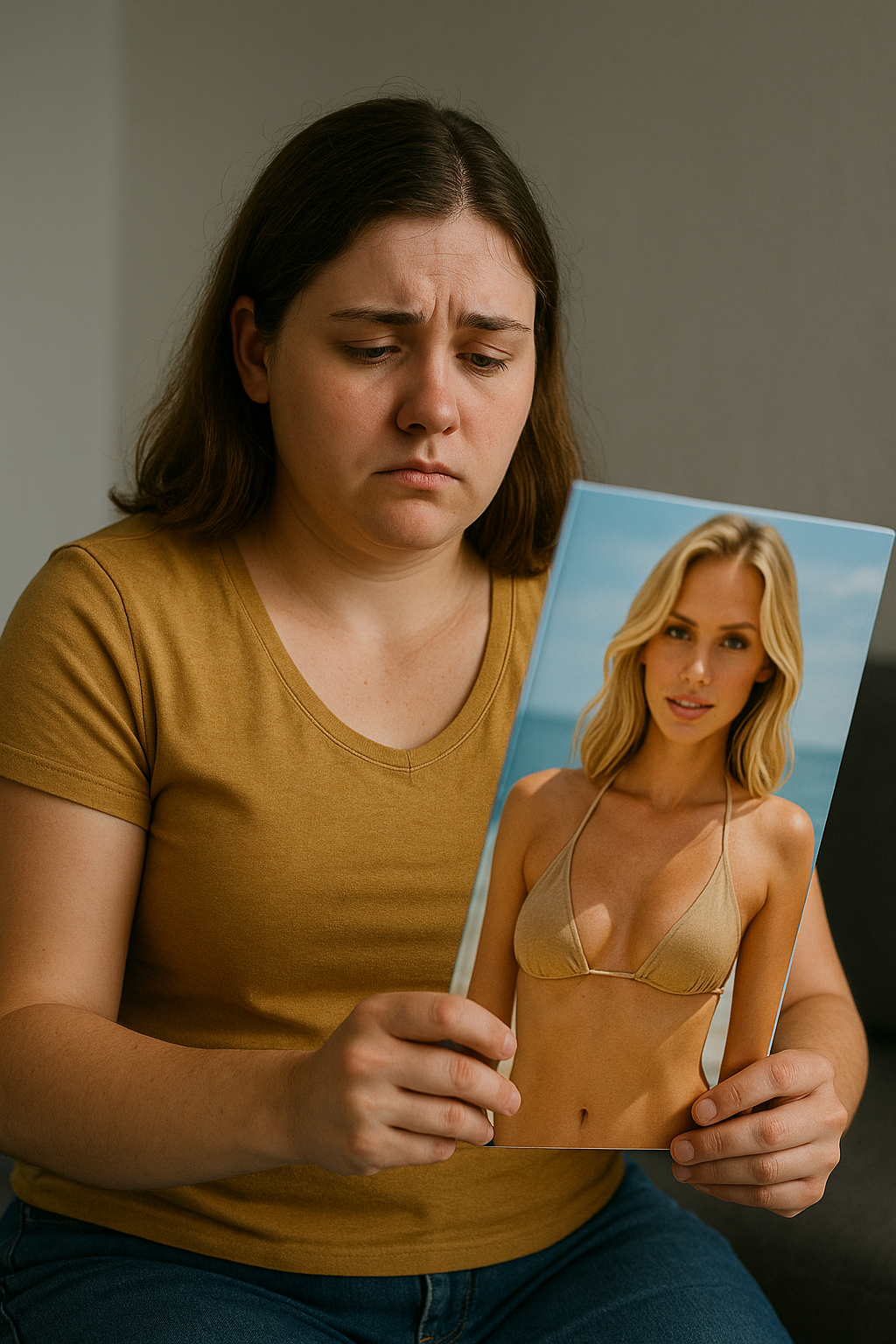
In a world obsessed with appearances, it’s no surprise that how we see ourselves can seriously affect how we feel. Body image isn’t just about how you look in the mirror—it’s about how you think you look, and that perception can mess with your mental health more than you might realize. Anxiety and depression, two of the most common mental health struggles today, are often deeply connected to negative body image.
Let’s break it down.
From a young age, we’re bombarded with messages about what “beauty” should look like. Whether it’s glossy magazine covers, filtered social media posts, or Hollywood stars with impossibly perfect skin, we’re trained to believe that there’s one ideal body. And if we don’t fit into that mold? Cue the shame, guilt, and frustration.
For many, that shame doesn’t just sit on the surface—it digs deep. People with negative body image often internalize the belief that they’re not good enough. That inner critic can be relentless, constantly comparing you to others and tearing down your self-worth. Over time, this cycle of comparison and self-loathing creates a breeding ground for anxiety. You start to worry about how others see you. You avoid social situations. You overanalyze every outfit, every photo, every glance in the mirror.
And anxiety isn’t the only mental health issue at play here.
Depression often follows close behind. When you feel like your body isn’t “right,” you start to believe that you’re not right. Hopelessness creeps in. You may stop taking care of yourself—physically and emotionally. Eating habits change, sleep becomes a struggle, and motivation disappears. Depression doesn’t care how much you weigh or what your body looks like; it feeds off the belief that you’re unworthy. And negative body image gives it plenty of fuel.
What makes things worse is how hard it can be to talk about these feelings. People often brush them off, thinking it’s “vain” to care so much about appearance. But this isn’t about vanity—it’s about identity, confidence, and emotional safety. When you don’t feel comfortable in your own skin, it affects every part of your life. Work, school, relationships, even just leaving the house can feel overwhelming.
This isn’t just a problem for one gender or one age group, either. While body image issues have long been associated with women, men struggle too. And young people growing up with constant social media exposure face an even more intense version of this battle. Filters and editing apps blur the line between real and fake, leaving teens especially vulnerable to unrealistic standards.
But here’s the thing: it doesn’t have to stay this way.
Awareness is the first step. If you recognize that your body image is dragging your mental health down, you can begin to take back control. That might mean stepping away from toxic online content. It might mean talking to a therapist, opening up to a friend, or setting healthier boundaries with your own thoughts. And most importantly, it means learning to challenge the lies that negative body image tells you.
You are more than your appearance. You are not defined by a number on a scale, a pants size, or a photo angle. Your body is not the problem—how we’ve been trained to see our bodies is.
Healing takes time, but it’s worth it. Because when you start to see yourself with compassion instead of criticism, everything changes. Anxiety loosens its grip. Depression begins to lift. And you start to live—not in fear of how you look, but in confidence of who you are.
It’s time to stop letting body image be the enemy. Your worth was never supposed to be measured by a mirror.
If you or a loved one are struggling with addiction or mental health issues, please give us a call today at 855-952-3546