Gambling might seem like a harmless pastime to many—an exciting way to test luck or skill, maybe even a social activity. But for some, what starts as occasional betting can spiral into a serious problem affecting mental health, especially anxiety and depression. Understanding how gambling influences these mental health conditions is important for anyone concerned about emotional well-being or who knows someone struggling with gambling.
The Connection Between Gambling and Mental Health
Gambling disorder, recognized by the American Psychiatric Association, is a behavioral addiction characterized by an uncontrollable urge to gamble despite harmful consequences. This addiction doesn’t only impact finances—it deeply affects the brain and emotional state.
People who gamble excessively often face high levels of stress, anxiety, and depression. This happens because gambling triggers a cycle of hope, excitement, disappointment, and guilt. Each bet can flood the brain with dopamine—the “feel-good” chemical—creating brief moments of pleasure. But losses lead to stress, self-blame, and hopelessness, which worsen anxiety and depression symptoms.
How Gambling Fuels Anxiety
Anxiety is marked by constant worry, nervousness, and fear. For gamblers, anxiety can come from many sources:
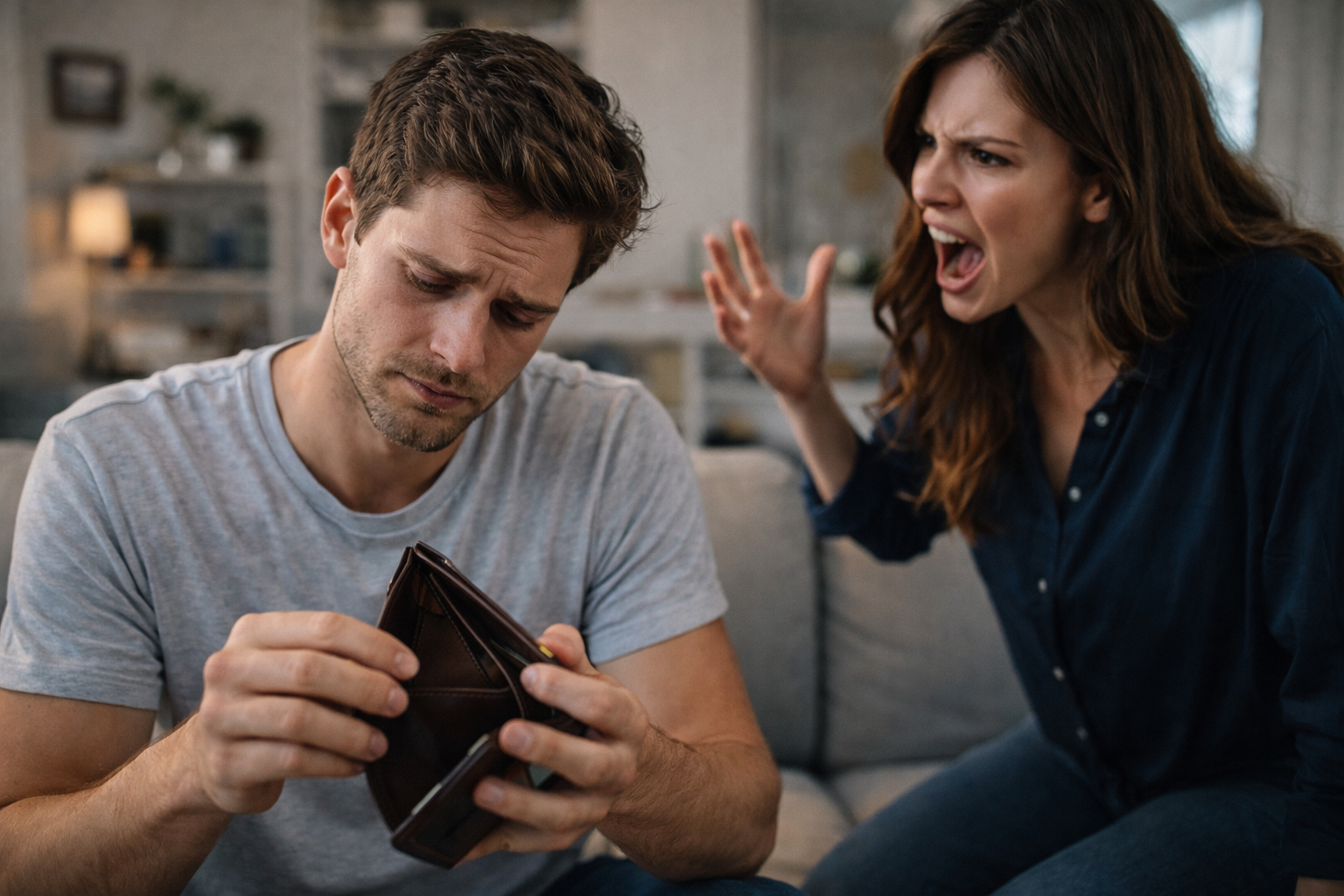
- Financial Pressure: The stress of losing money or accumulating debt creates constant worry. Bills piling up, borrowing from loved ones, or hiding debts leads to an overwhelming sense of panic.
- Uncertainty and Risk: Gambling inherently involves unpredictability. The nervous anticipation before a bet and fear of losing can cause persistent anxious thoughts and physical symptoms like sweating, rapid heartbeat, or insomnia.
- Social Consequences: Gambling problems often cause conflicts with family, friends, and coworkers. Social isolation or shame from these broken relationships increases anxiety levels.
People caught in this cycle may gamble more to relieve their anxiety temporarily, but this only makes the problem worse over time.
Depression and Gambling: A Dangerous Duo
Depression involves feelings of sadness, hopelessness, and loss of interest in activities once enjoyed. Gambling can both contribute to and worsen depression:
- Loss and Despair: Repeated losses lead to feelings of failure, helplessness, and low self-esteem. The belief that one cannot control their behavior or circumstances deepens depressive feelings.
- Avoidance: Many use gambling as a way to escape emotional pain or numb difficult feelings. However, this temporary relief quickly fades, leaving behind more intense depression.
- Isolation: Depression often causes withdrawal from social life, which can be reinforced by gambling behaviors that isolate individuals, such as spending hours alone online or avoiding family and friends.
Depression can also increase the risk of gambling as individuals seek a false sense of hope or distraction from their mental pain.
Breaking the Cycle: Why Mental Health Matters in Gambling Recovery
Because anxiety and depression are tightly linked with gambling behavior, treating the addiction effectively means addressing mental health too. Recovery programs increasingly emphasize holistic care that includes:
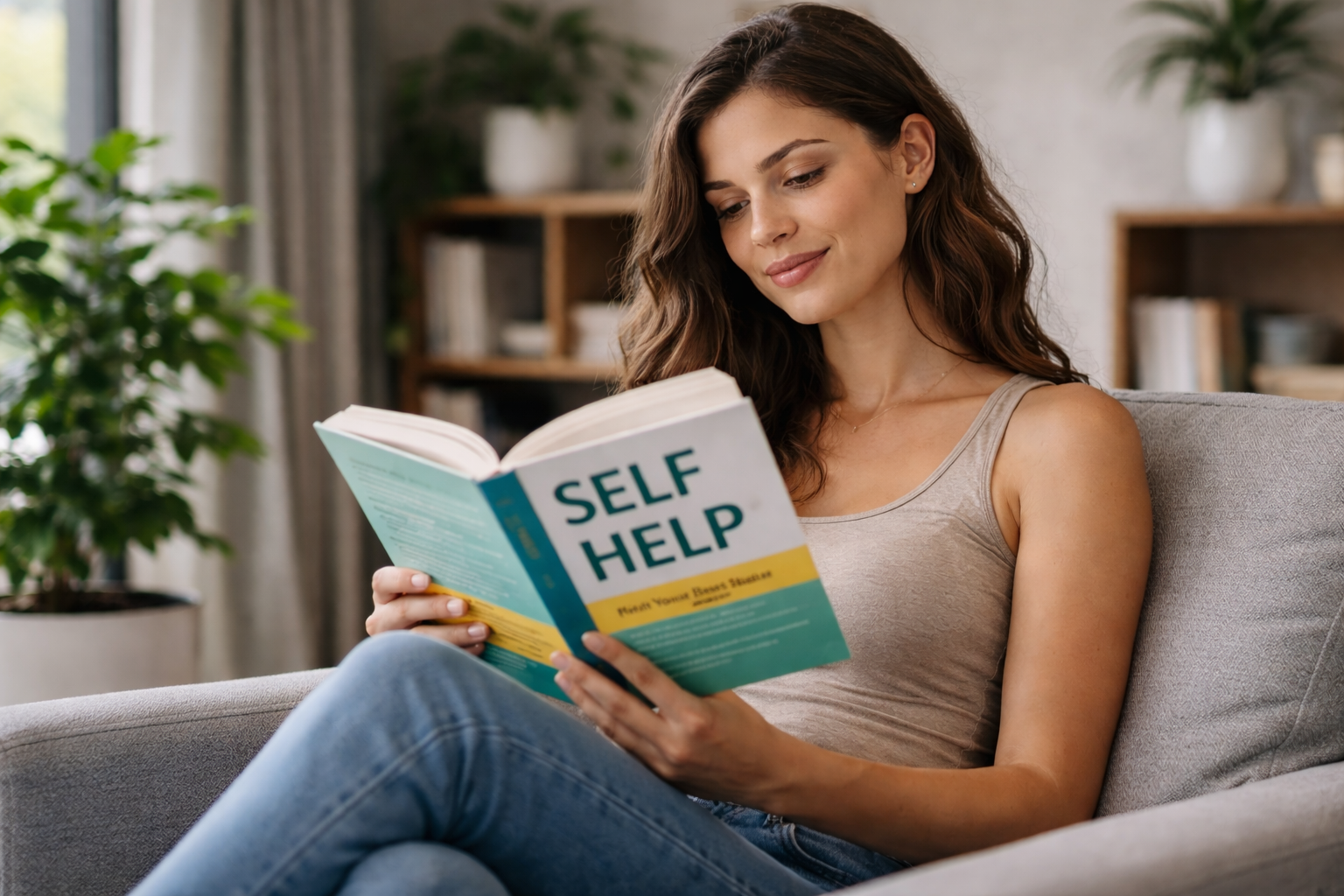
- Therapy: Cognitive-behavioral therapy (CBT) is highly effective in helping gamblers recognize harmful thought patterns and develop healthier coping strategies for anxiety and depression.
- Support Groups: Connecting with others facing similar struggles reduces isolation and shame while providing encouragement.
- Medication: In some cases, doctors may prescribe medications to manage anxiety or depression alongside therapy.
- Lifestyle Changes: Mindfulness, exercise, proper sleep, and healthy social interactions help stabilize mood and reduce urges to gamble.
When to Seek Help
If you or someone you know is experiencing intense anxiety or depression related to gambling, it’s important to reach out for professional help. Signs include:
- Constant worry or panic attacks about money or gambling.
- Persistent feelings of sadness or hopelessness.
- Neglecting responsibilities or relationships.
- Difficulty controlling gambling urges despite negative consequences.
Help is available through counseling centers, mental health professionals, and specialized gambling addiction treatment programs.
Final Thoughts
Gambling may start as a fun activity, but for many, it can trigger or worsen anxiety and depression. The emotional rollercoaster caused by gambling losses and wins creates a harmful cycle that impacts mental health deeply. Understanding this connection is crucial in supporting those affected and encouraging early intervention.
Mental health is a vital part of recovery from gambling problems. Addressing anxiety and depression alongside addiction improves the chances of lasting sobriety and emotional well-being. If you or someone you care about struggles with gambling and mental health issues, remember: seeking help is a sign of strength, and recovery is possible.
If you or a loved one are struggling with addiction or mental health issues, please give us a call today at 855-952-3546