When someone who has been drinking heavily for an extended period decides to stop, their body doesn’t simply sigh in relief and move on. Instead, it goes into overdrive trying to adjust, and this process—known as alcohol withdrawal—can be intense, uncomfortable, and even dangerous. Knowing what to expect from alcohol withdrawal can help prepare you or a loved one for the journey toward sobriety.
Why Alcohol Withdrawal Happens
Alcohol affects the brain by slowing down its functions. Over time, the brain starts to rely on alcohol to maintain this balance. When alcohol is suddenly removed, the body becomes overstimulated, leading to withdrawal symptoms. This isn’t just a bad hangover—this is the body’s central nervous system freaking out and trying to reset itself.
The First 6–12 Hours: The Uneasy Beginning
The withdrawal process usually begins within 6 to 12 hours after the last drink. This early stage might seem deceptively mild for some people, but it’s just the calm before the storm. Common symptoms at this point include anxiety, shakiness, headaches, sweating, and nausea. Some people might feel irritable or restless, while others might begin to experience mild confusion. It’s important to note that even if symptoms start small, they can escalate quickly.
The 12–48 Hour Mark: The Peak of Discomfort
As the body continues detoxifying, symptoms often become more severe. Between 12 and 48 hours, individuals might face intense symptoms like elevated blood pressure, increased heart rate, fever, and confusion. In some cases, people may begin to hallucinate. This stage can feel like you’ve come down with the flu and anxiety all at once—only amplified.
One of the most serious complications that can arise during this period is alcohol withdrawal seizures, which can occur without warning. These are medical emergencies and highlight why detoxing at home without supervision can be extremely dangerous.
The 48–72 Hour Window: Risk of Delirium Tremens
For a small percentage of individuals, the third day of withdrawal is where things take a turn for the worst. A condition called Delirium Tremens (DTs) can develop, characterized by severe confusion, tremors, hallucinations, and even violent agitation. DTs can be fatal if not treated in a medical setting. Around this time, insomnia and intense mood swings can also make it feel like you’re trapped in a waking nightmare.
After 72 Hours: Gradual Relief
The worst of the physical symptoms usually begin to ease up after 72 hours, but that doesn’t mean the person is in the clear. Emotional symptoms—such as anxiety, depression, and cravings—can linger for weeks or even months. This period is often referred to as Post-Acute Withdrawal Syndrome (PAWS). Although the body starts to feel better, the mind may still struggle, making this a critical time for support and treatment.
Why Supervised Detox Matters
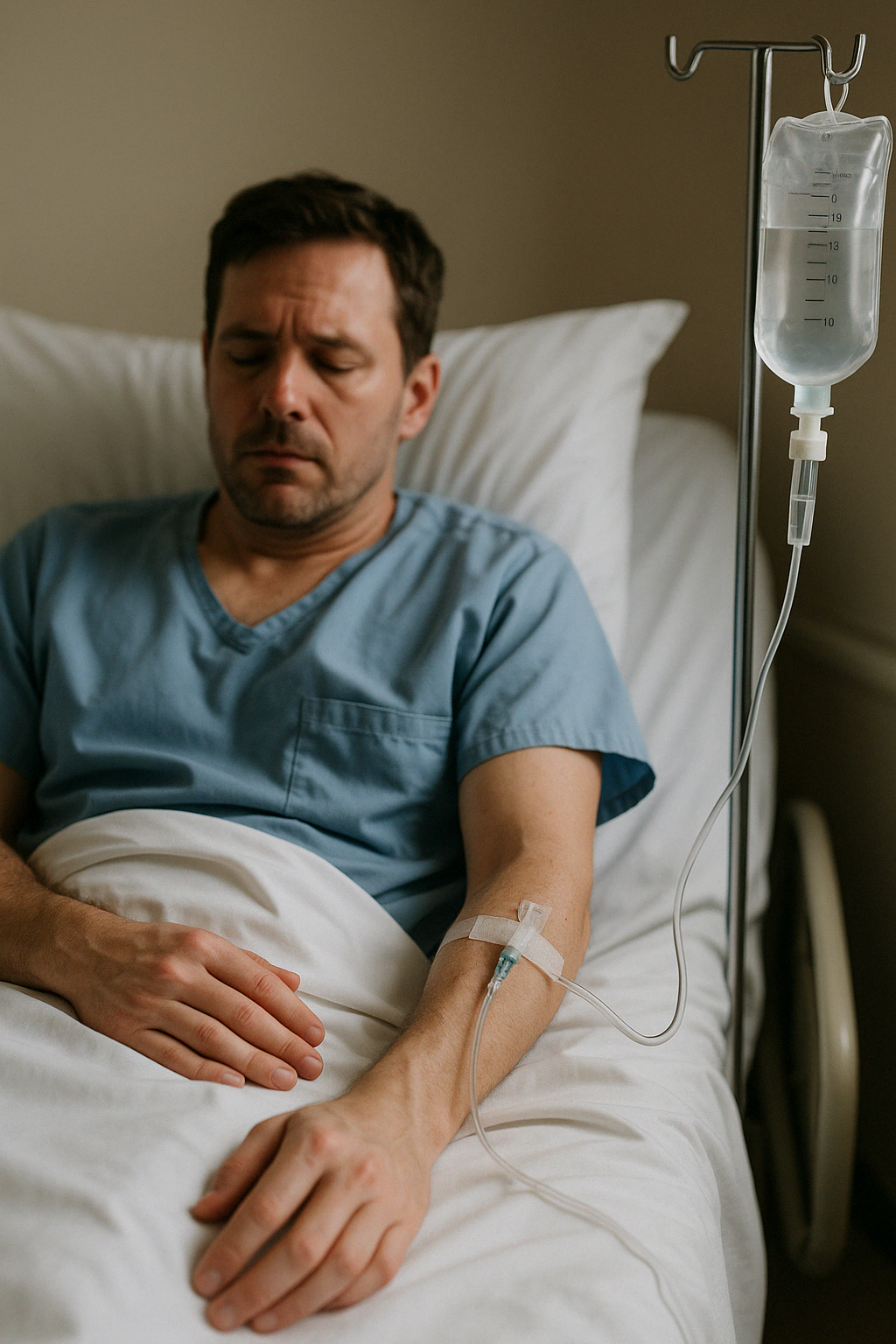
Alcohol withdrawal isn’t something to take lightly. Even if you think you’re strong enough to push through it alone, your body may react in unpredictable ways. Medical detox centers provide a safe space where professionals can monitor symptoms, administer medications, and offer emotional support. They can help prevent complications like seizures or DTs, and they can make the experience far less terrifying.
The Road Ahead
Getting through alcohol withdrawal is only the first step on the road to recovery. Once the alcohol is out of your system, the real work begins—building a life where you don’t need a drink to feel okay. It’s a journey full of ups and downs, but every step forward is proof of strength. If you or someone you love is considering sobriety, know that withdrawal is temporary, but the freedom it leads to can last a lifetime.
If you or a loved one are struggling with addiction or mental health issues, please give us a call today at 855-952-3546